From Imperial Capitals to the Baltic: A Guide to the Atmospheres and Traditions of Europe’s Most Evocative Christmas Markets.
The crisp air becomes laden with complex aromas: not just spiced Glühwein and Lebkuchen, but also the resinous scent of freshly cut fir trees and the sweet smoke of burning wood. It is the sign that Advent is upon us, and the squares of Europe are lighting up in celebration.
The Dresdner Striezelmarkt is a ritual that has been perpetuated since 1434, established by concession of Frederick II, Elector of Saxony. In Nuremberg, the atmosphere is inextricably linked to the Reformation: it was Martin Luther who promoted the Christkind to replace Saint Nicholas. Strasbourg boasts the title of Capitale de Noël (Capital of Christmas), a heritage it has proudly held since 1570. And in Tallinn, legend tells of a 1441 ritual, when the Brotherhood of Blackheads erected Europe’s first public Christmas tree.
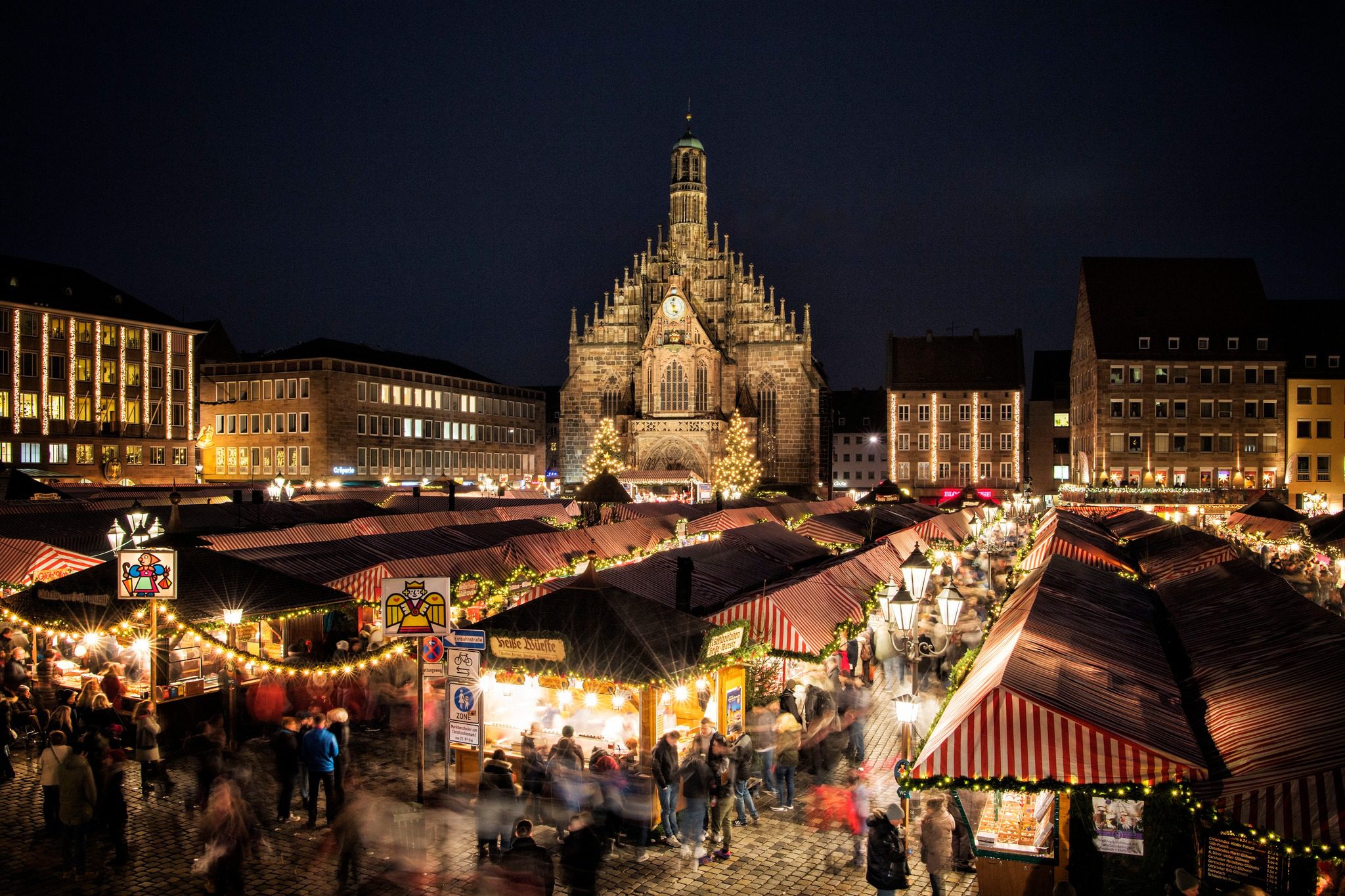
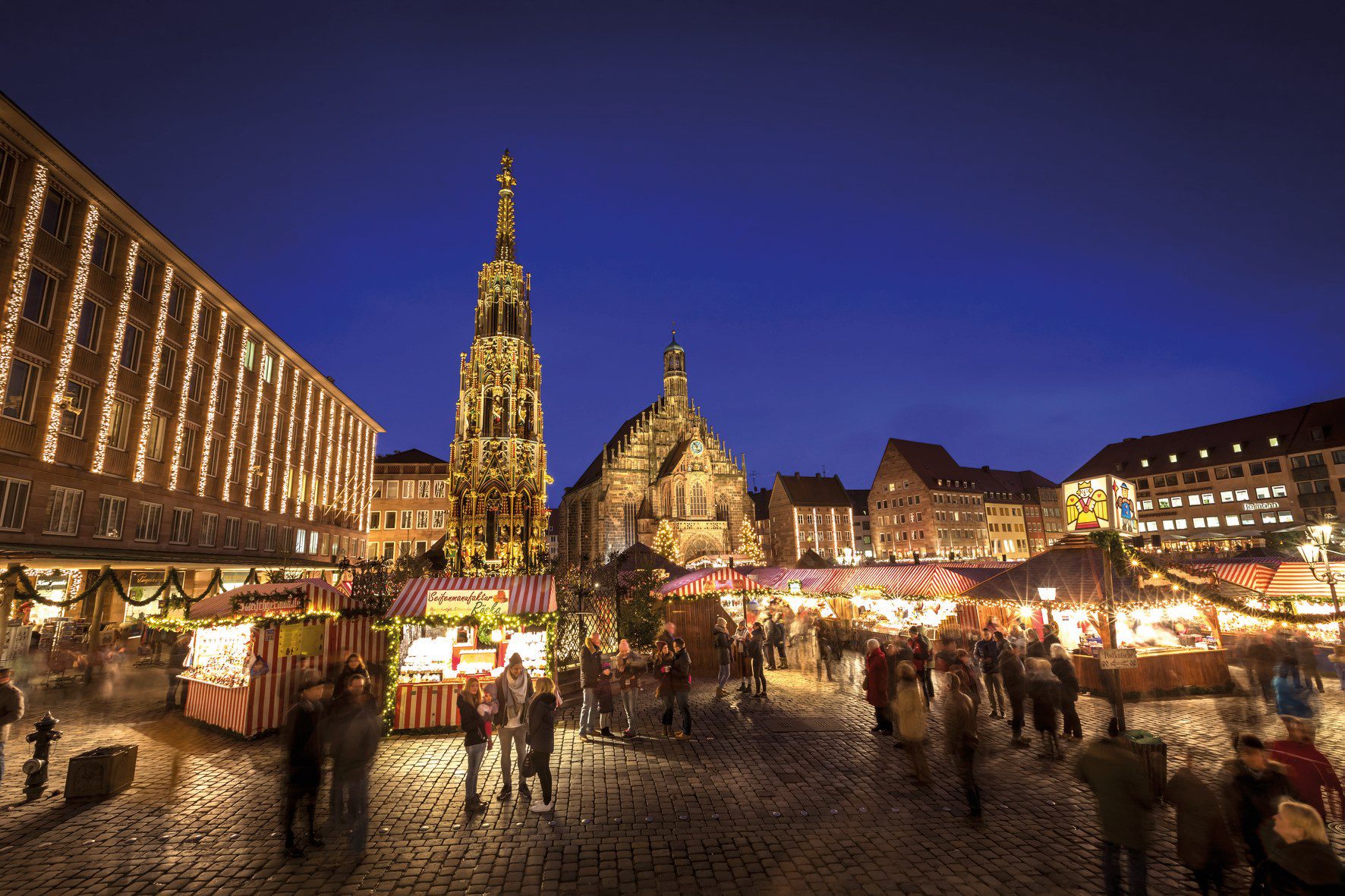
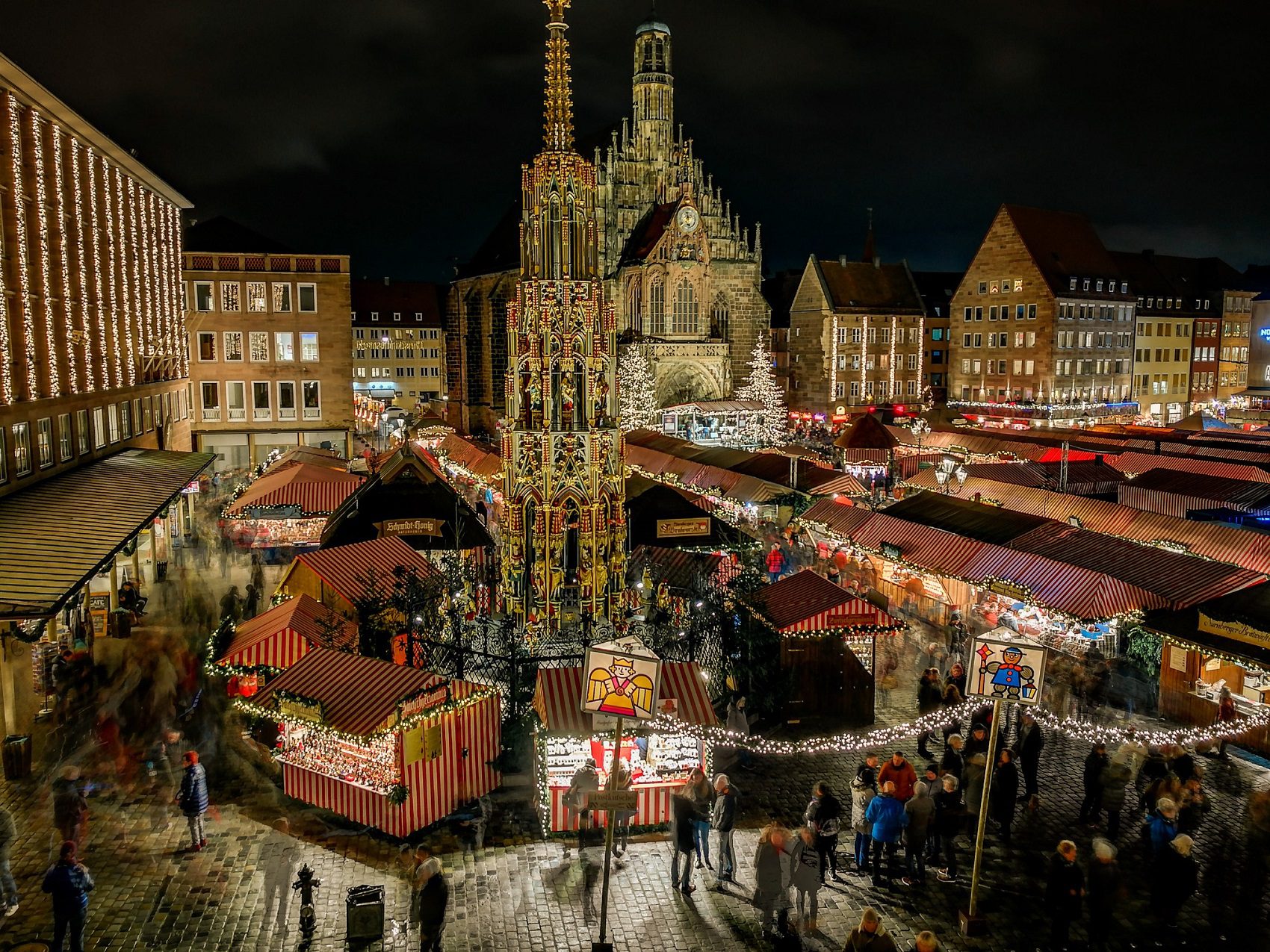
Today, alongside the centuries-old traditions of artisan guilds, design events flourish, such as the light installation trails that transform Bruges into an open-air art gallery, or the spectacular 3D video mappings that animate the facades of Budapest’s basilicas.
A guide for the 2025 season: dates, opening ceremonies, unique parades, and unmissable events that transform the journey into an authentic cultural immersion.
The Timeless Classics: Icons of German Christmas
Germany is the cradle of the Weihnachtsmarkt as we know it. Here, tradition is not just preserved but celebrated with a rigor and depth that serve as a model for the rest of the world.
Nuremberg: The Market of the Christkind
The Nuremberg Christkindlesmarkt, or “Christ Child’s Market,” is an experience deeply rooted in the city’s theological history. Its origins are tied to the Protestant Reformation and Martin Luther’s desire to shift children’s focus from Saint Nicholas’ Day (December 6) to Christmas Eve. For this reason, the undisputed star is not Santa Claus, but the Christkind—a blonde, golden-robed angel who symbolizes the gift.
For the 2025 season, the Hauptmarkt—the main square dominated by the famous red-and-white striped roofs of the chalets—will come alive from November 28 until Christmas Eve, December 24. The most anticipated moment is the opening ceremony on November 28 at 5:30 PM. From the balcony of the Church of Our Lady (Frauenkirche), the Christkind (a young local actress selected for the role, a post-war tradition) recites the famous prologue that officially kicks off the festivities. Beyond the main square, the exploration continues with the Sister Cities’ Market, with its international flavor, and the Kinderweihnacht, dedicated entirely to children. For a different perspective, a climb up the Sinwell Tower of the Imperial Castle (Kaiserburg) is recommended.

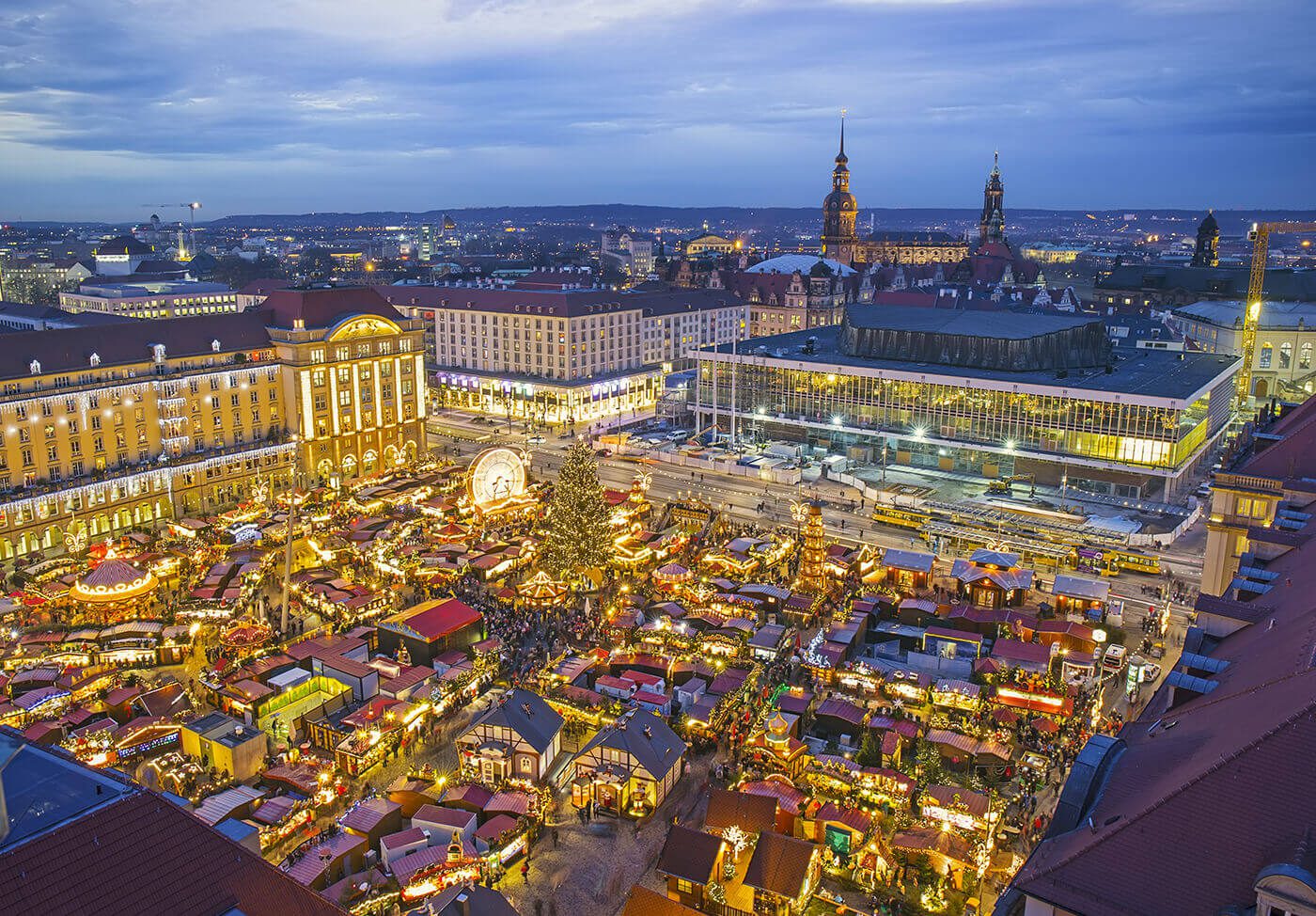
Dresden: Where the Tradition Was Born (1434)
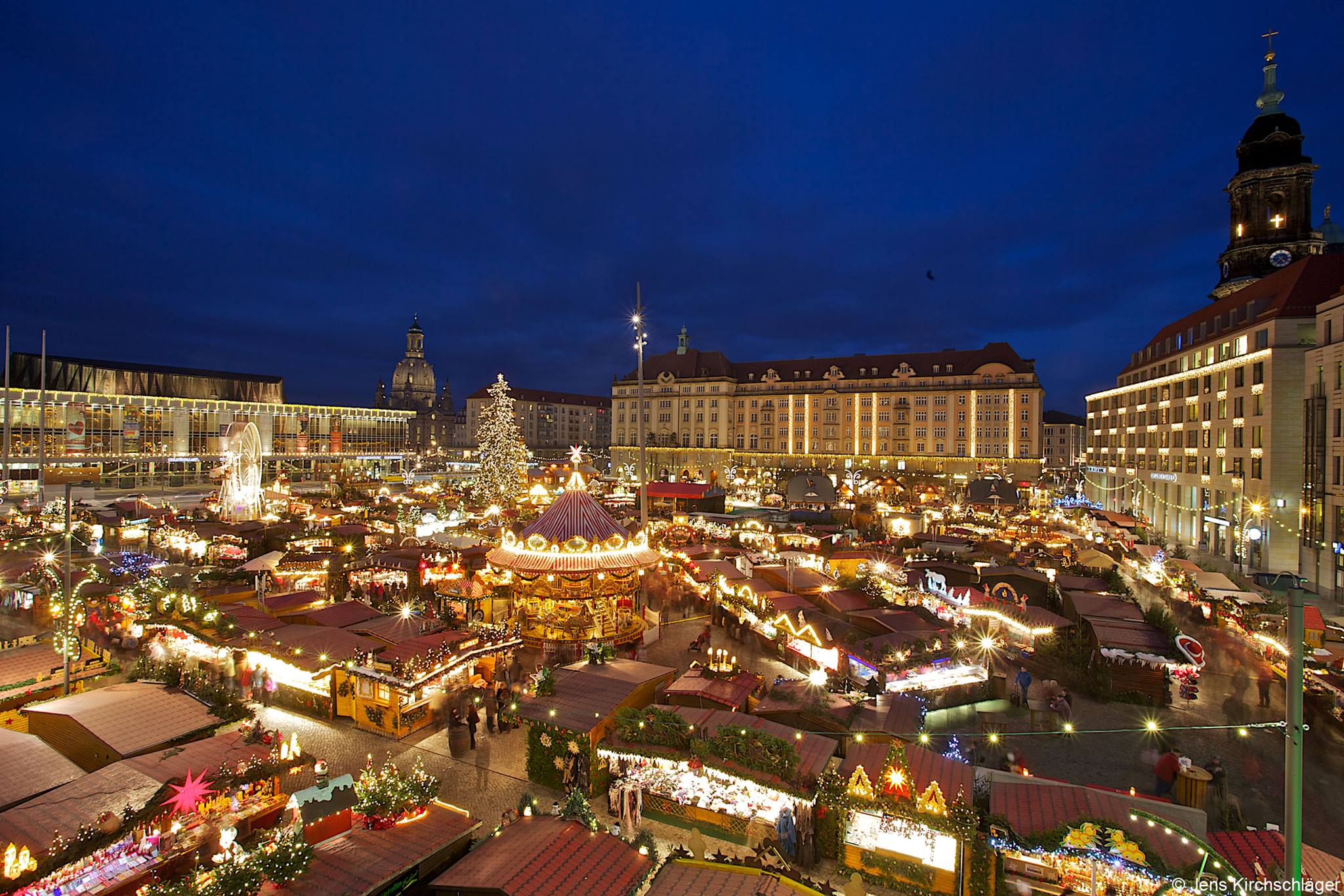
If Nuremberg is theological, Dresden, the capital of Saxony, celebrates artisan pride. The Dresdner Striezelmarkt, which in 2025 reaches its 591st edition, is considered Germany’s oldest authentic Christmas market, established in 1434 by concession of Frederick II, Elector of Saxony. Its name derives from the Striezel, the ancestor of the Dresdner Christstollen, the famous Christmas cake made from leavened dough, butter, raisins, almonds, and candied fruit, often flavored with spices and rum.
A showcase for Saxony’s guilds. The market’s main attraction is the Erzgebirge-Pyramide (Ore Mountains Pyramid), standing 14.61 meters tall and holding a world record. For a characteristic gift, look for the Pflaumentoffel—small, lucky chimney sweeps made from dried plums. Opening on November 26 (at 4:00 PM); the market continues until December 24.
The calendar of themed events is rich. On December 6, the 30th Dresdner Stollenfest—a grand parade led by the trademark protection association—processes a gigantic Stollen through the city before its ceremonial cutting. This is followed by the Dresdner Pyramidenfest (December 13) and the evocative Große Bergparade (December 20), the miners’ parade. The Striezelmarkt is the heart of what is known as Dresden’s “Christmas Mile,” stretching along Prager Straße to the other side of the Elbe River.
Imperial and Gothic Capitals: Advent in Central Europe
Unlike the German tradition, which strictly concludes on December 24, the grand capitals of the former Austro-Hungarian Empire and Poland extend their festivities, often until the Epiphany. This makes them ideal destinations for those wishing to travel during the period between Christmas and New Year’s.
Prague: A Fairytale Winter of Clocks and Castles
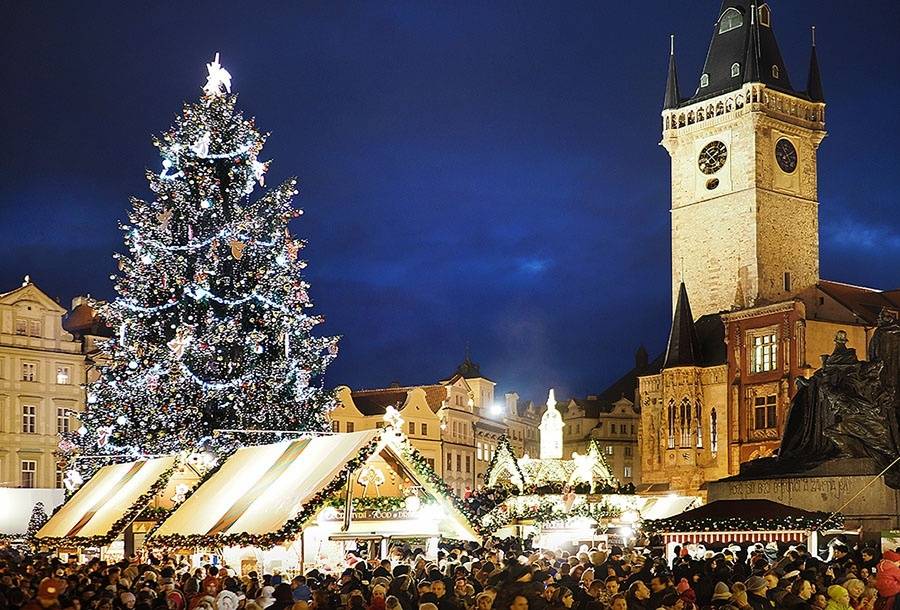
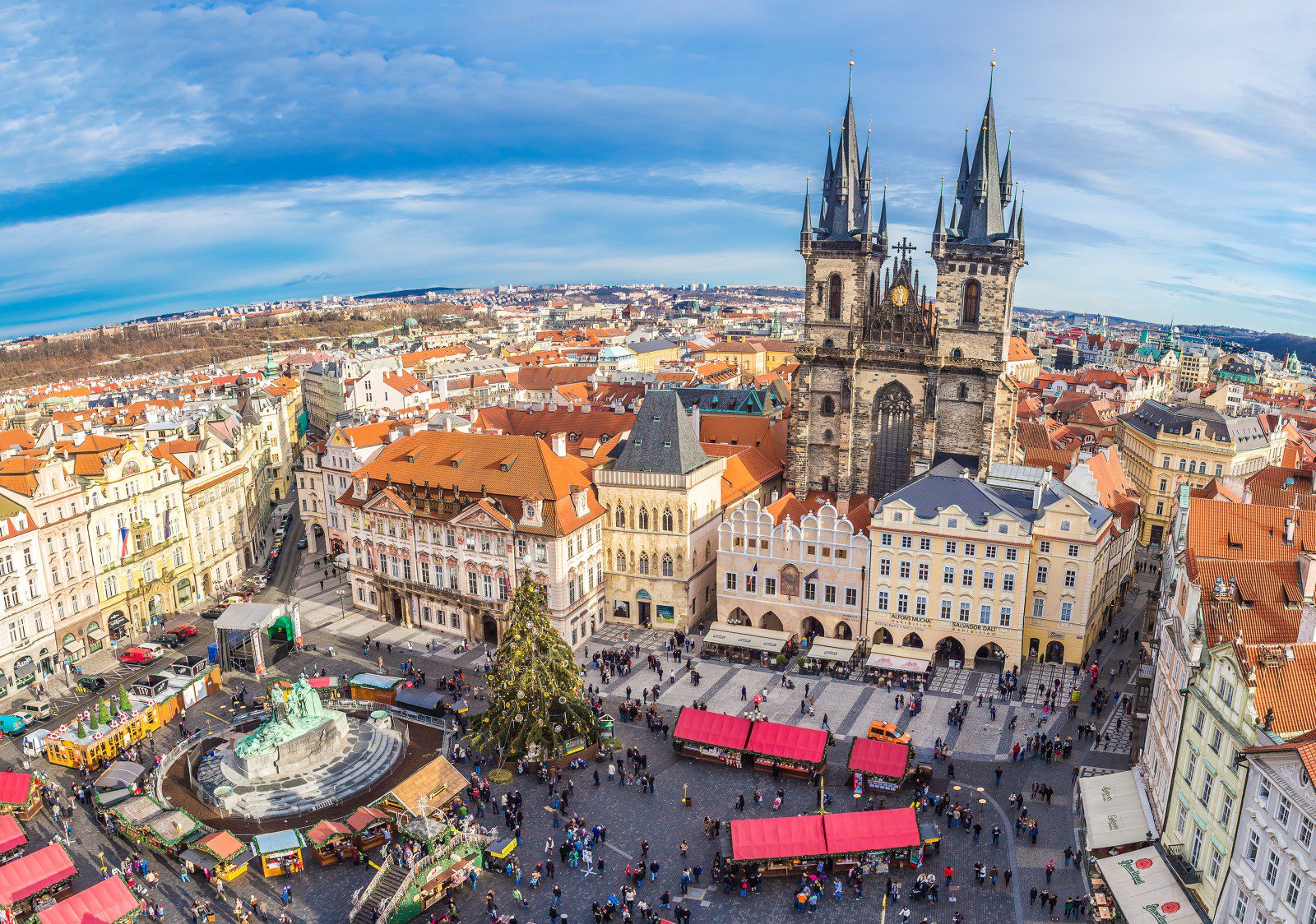
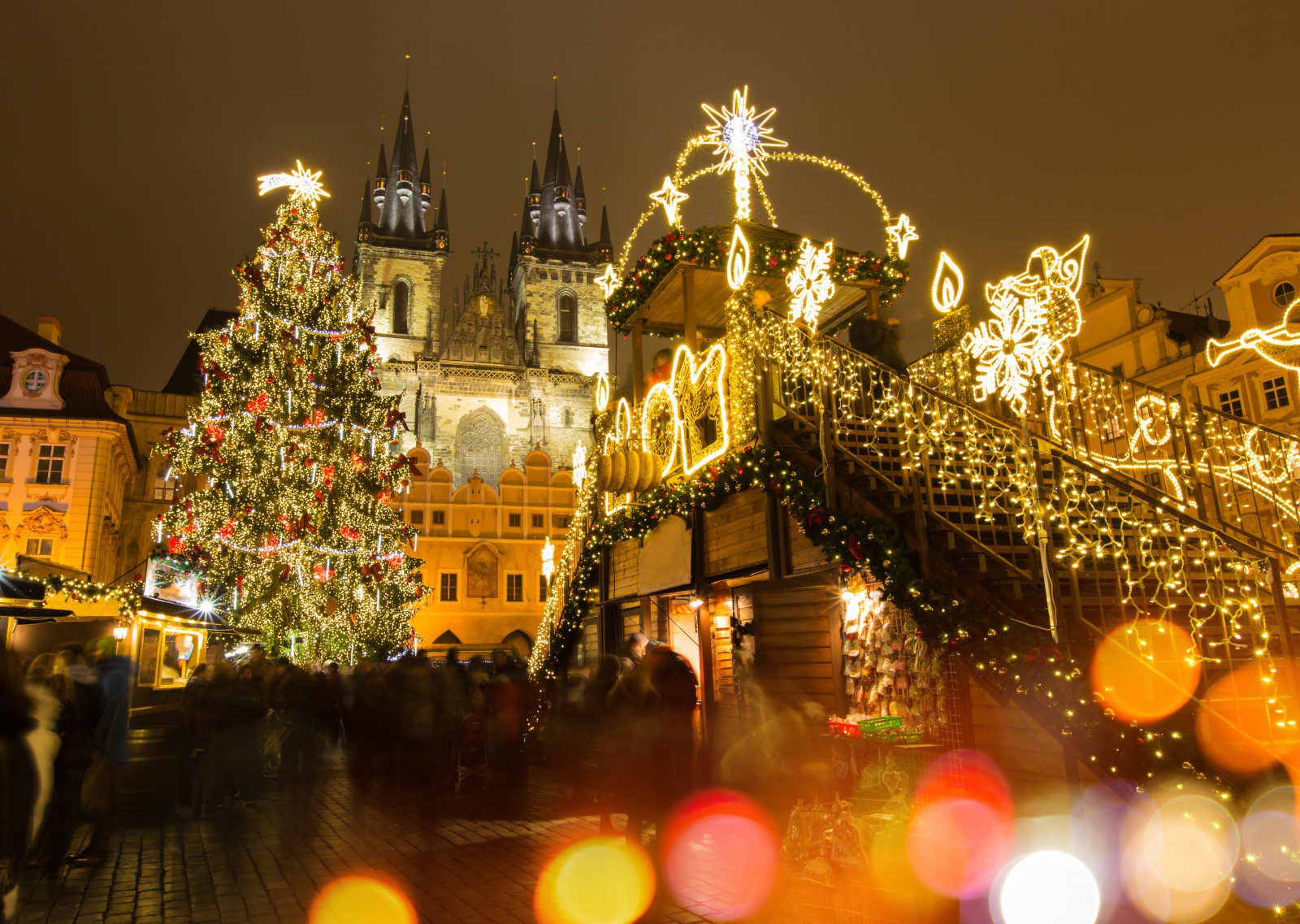
Prague stages a “Christmas in two acts”: the first is the traditional Advent; the second, from December 25 onwards, blends the Christmas atmosphere with New Year celebrations. The main markets, in the Old Town Square and Wenceslas Square, are open from November 30 to January 6. For a more intimate and regal atmosphere, one can head to the market within Prague Castle (also until January 6), or the even more intimate and local market at Tyl Square (Tylovo Náměstí), which, however, closes on Christmas Eve.
Vienna: Hapsburg Elegance in Two Forms
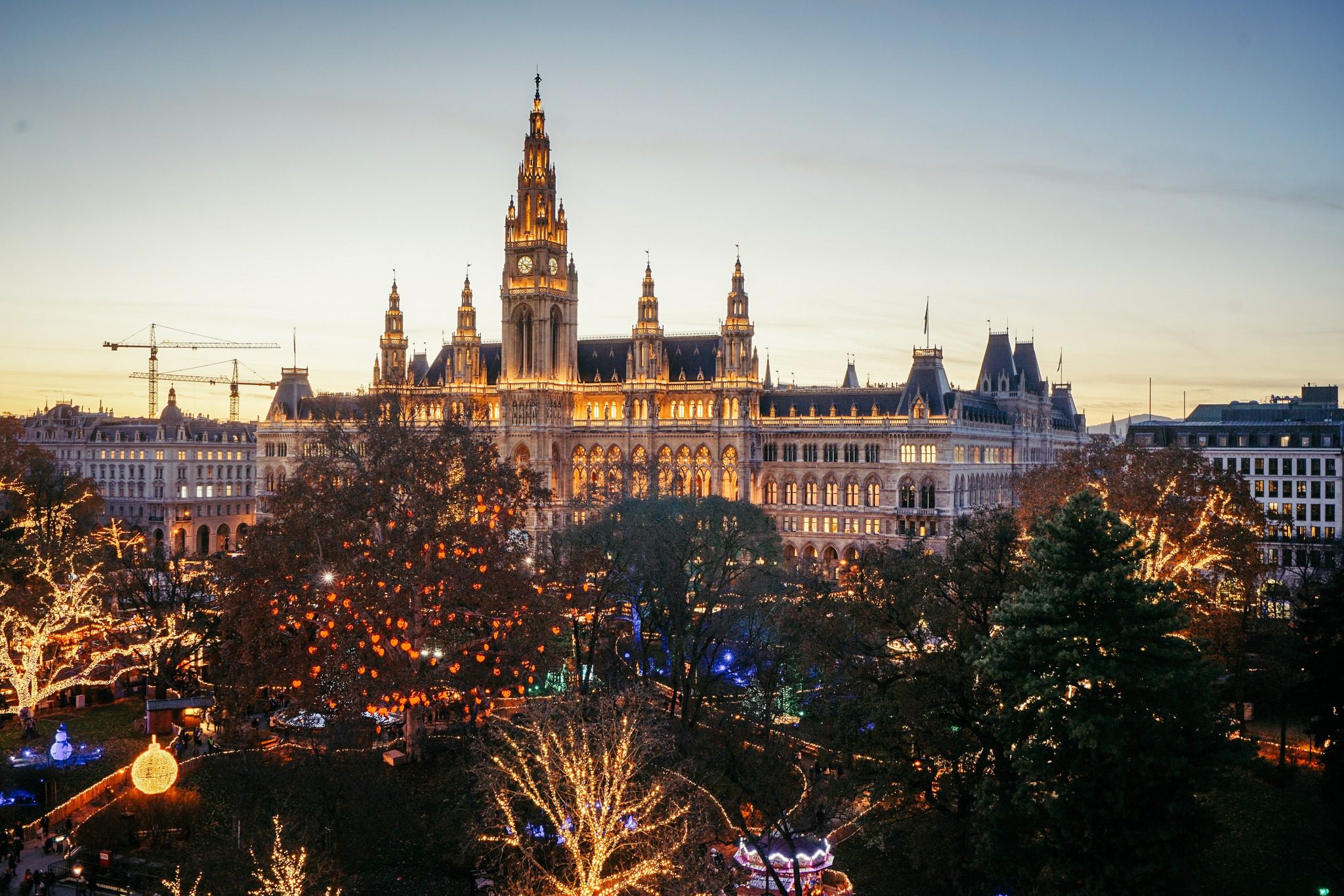
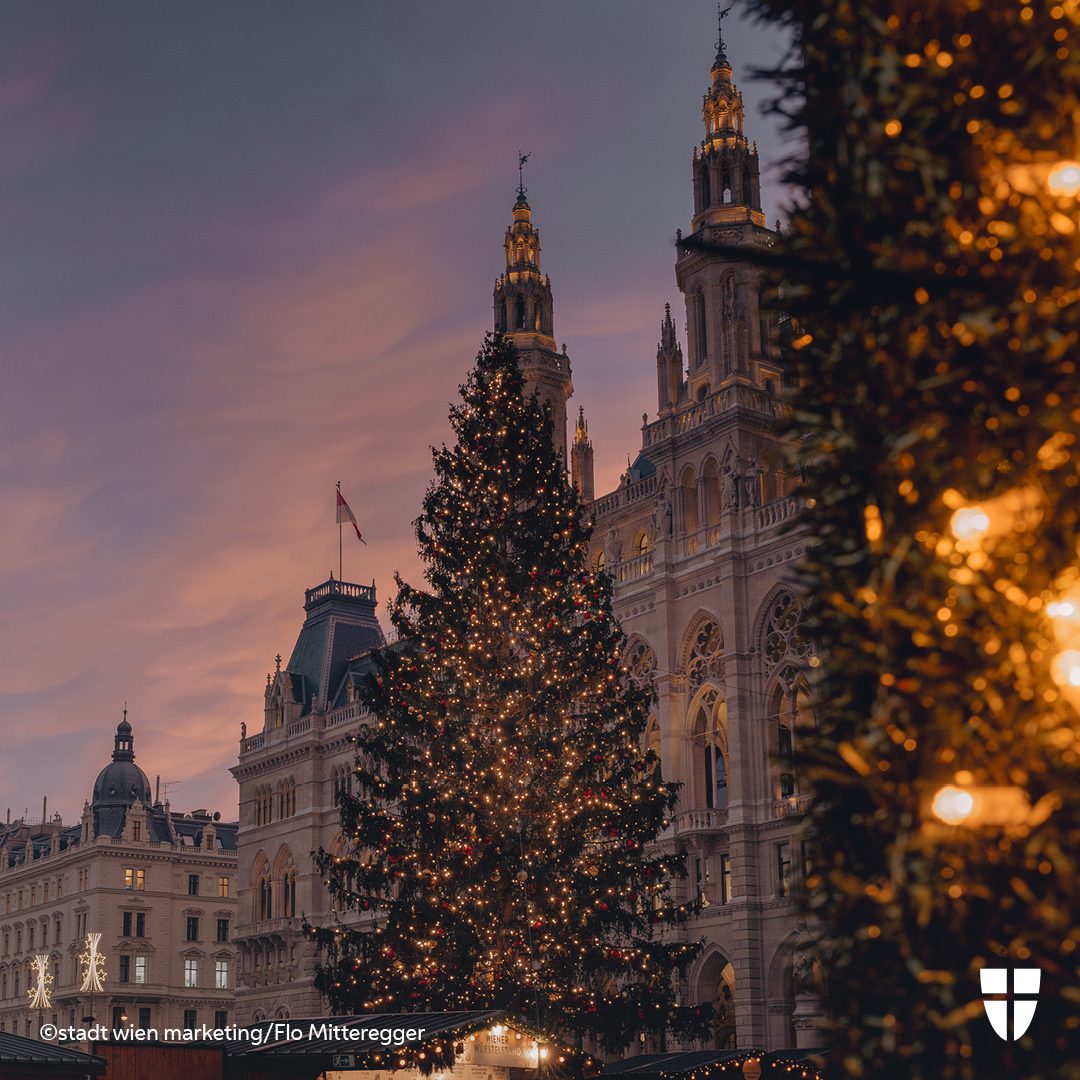
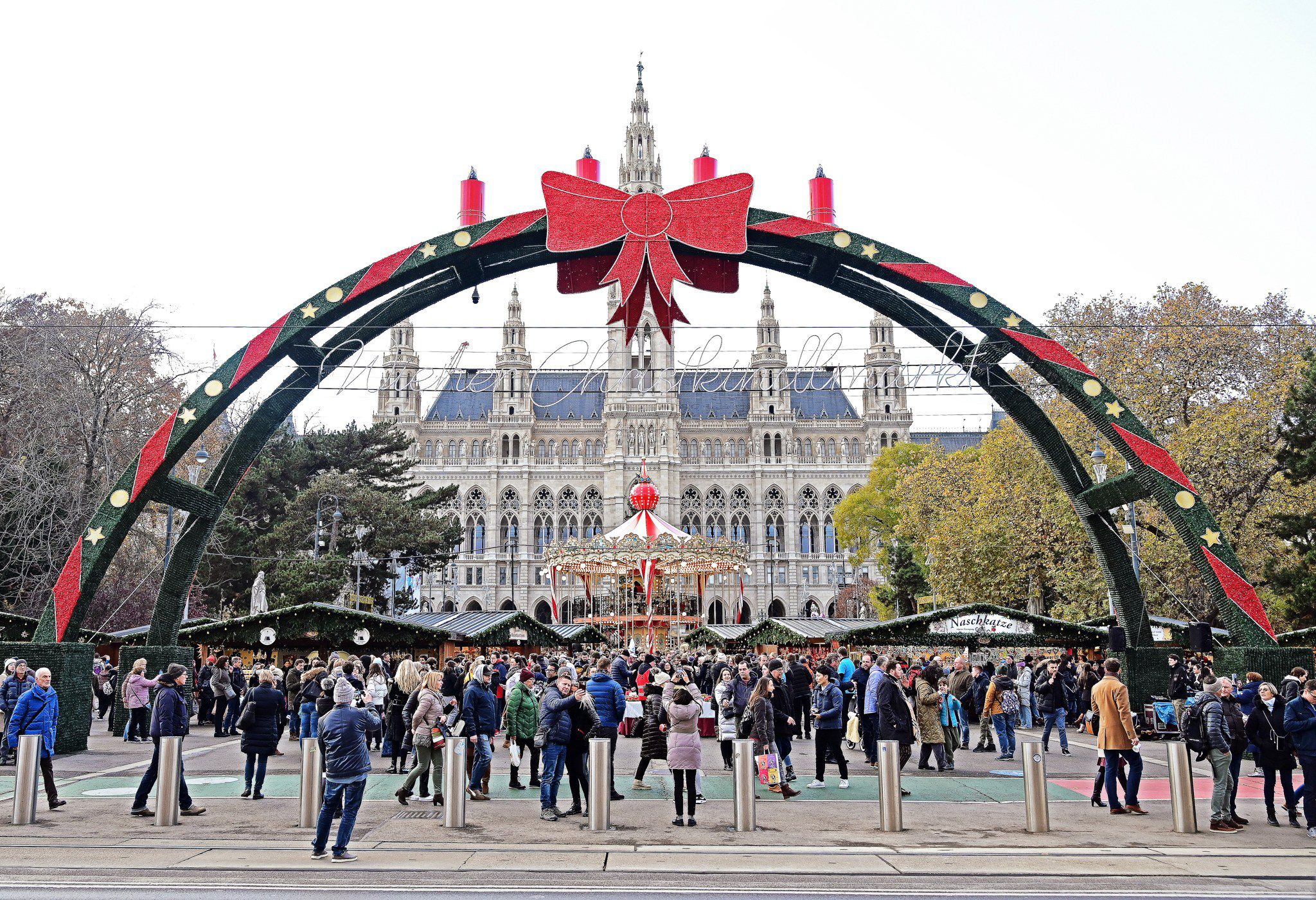
The Wiener Christkindlmarkt in front of the City Hall (Rathaus) is the popular dream—the largest and most scenic, famous for its ice-skating rink (November 14 – December 26, 2025). For those seeking imperial elegance, the market in the courtyard of Schönbrunn Palace is the right choice (November 6 – January 6). This year, new attractions are planned with a strong emphasis on families, including workshops and straw pyramids. For high-quality craftsmanship, the benchmark is the more intimate market at Am Hof (November 14 – December 23).


Budapest: Double Magic on the Danube
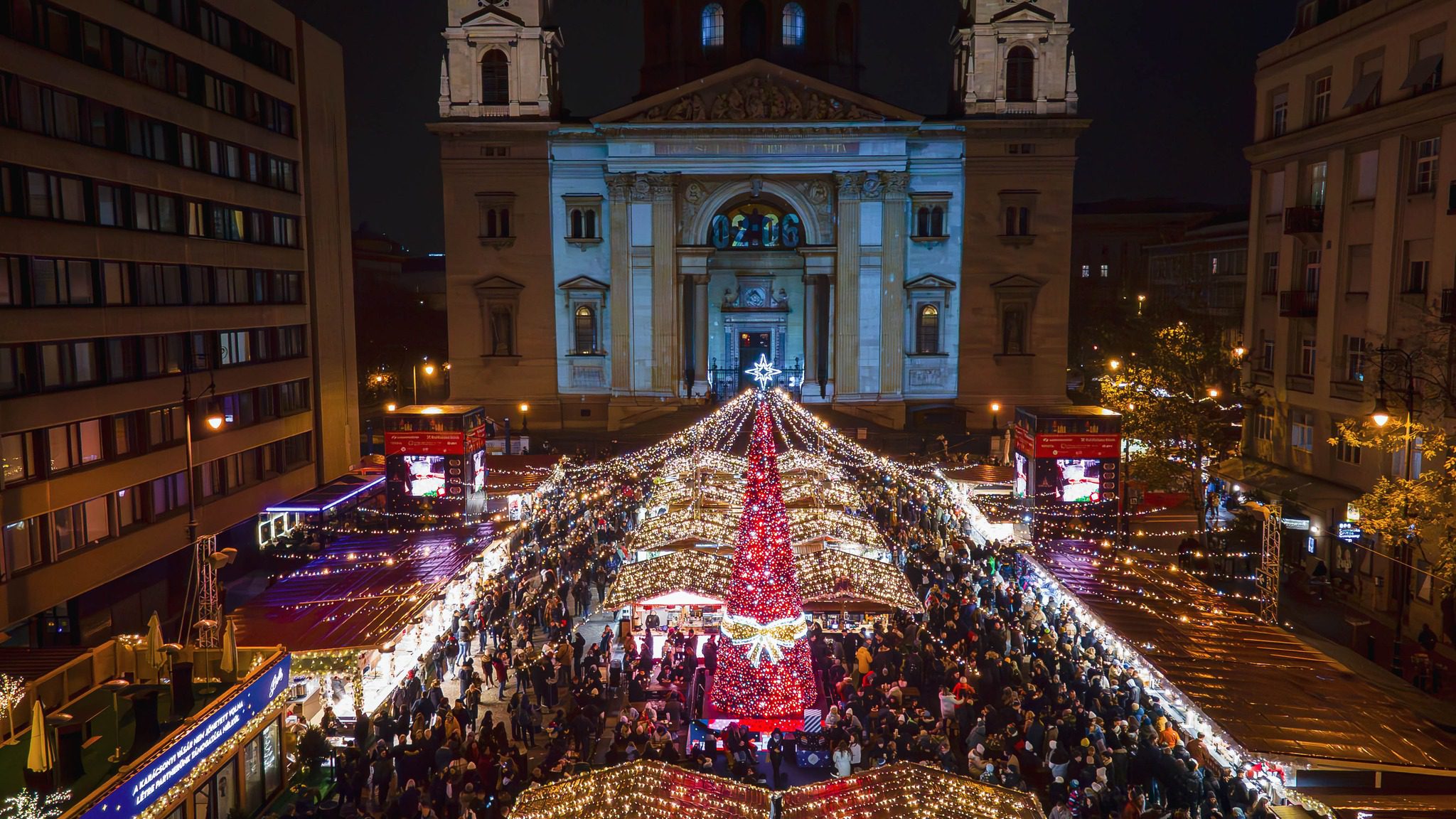
Budapest showcases a dual festive soul, with two distinct experiences just steps apart, both with a precise identity and extended openings ideal for New Year’s. The most modern and spectacular experience is the Advent Bazilika in St. Stephen’s Square (November 14, 2025 – January 1, 2026). Here, the key element is the 3D video mapping projected onto the Basilica’s facade, a show of lights and stories that comes alive every half hour from 4:30 PM to 10:00 PM.
The market is perfect for year-end celebrations, with reduced hours for Christmas Eve and Christmas Day. A short walk away, Vörösmarty Classic Xmas (November 14 – December 31, 2025) represents the city’s traditional soul. The emphasis is on authenticity, with a rigorous selection favoring high-quality Hungarian craftsmanship, while a free “Little Railway” entertains the youngest visitors.
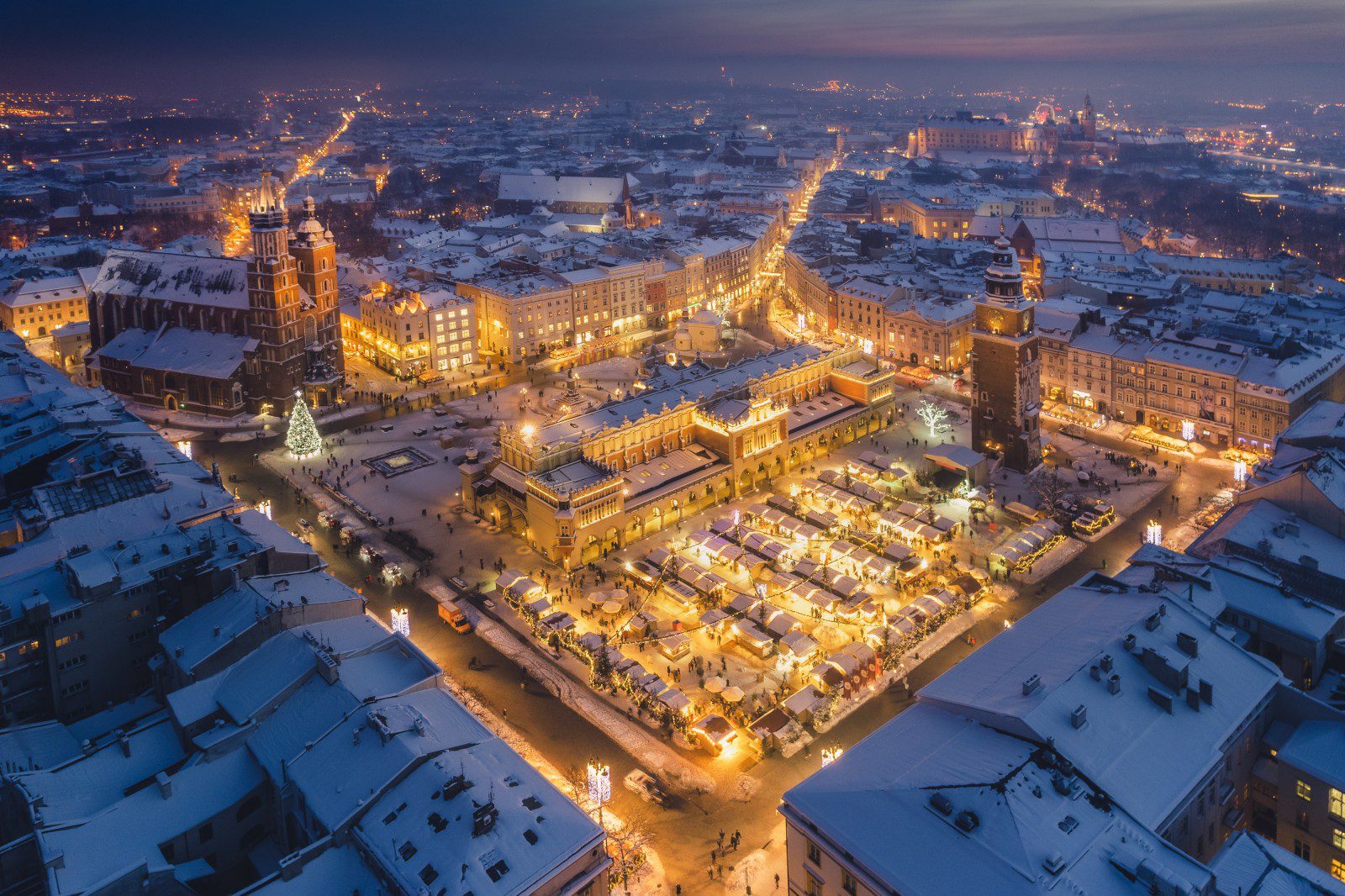
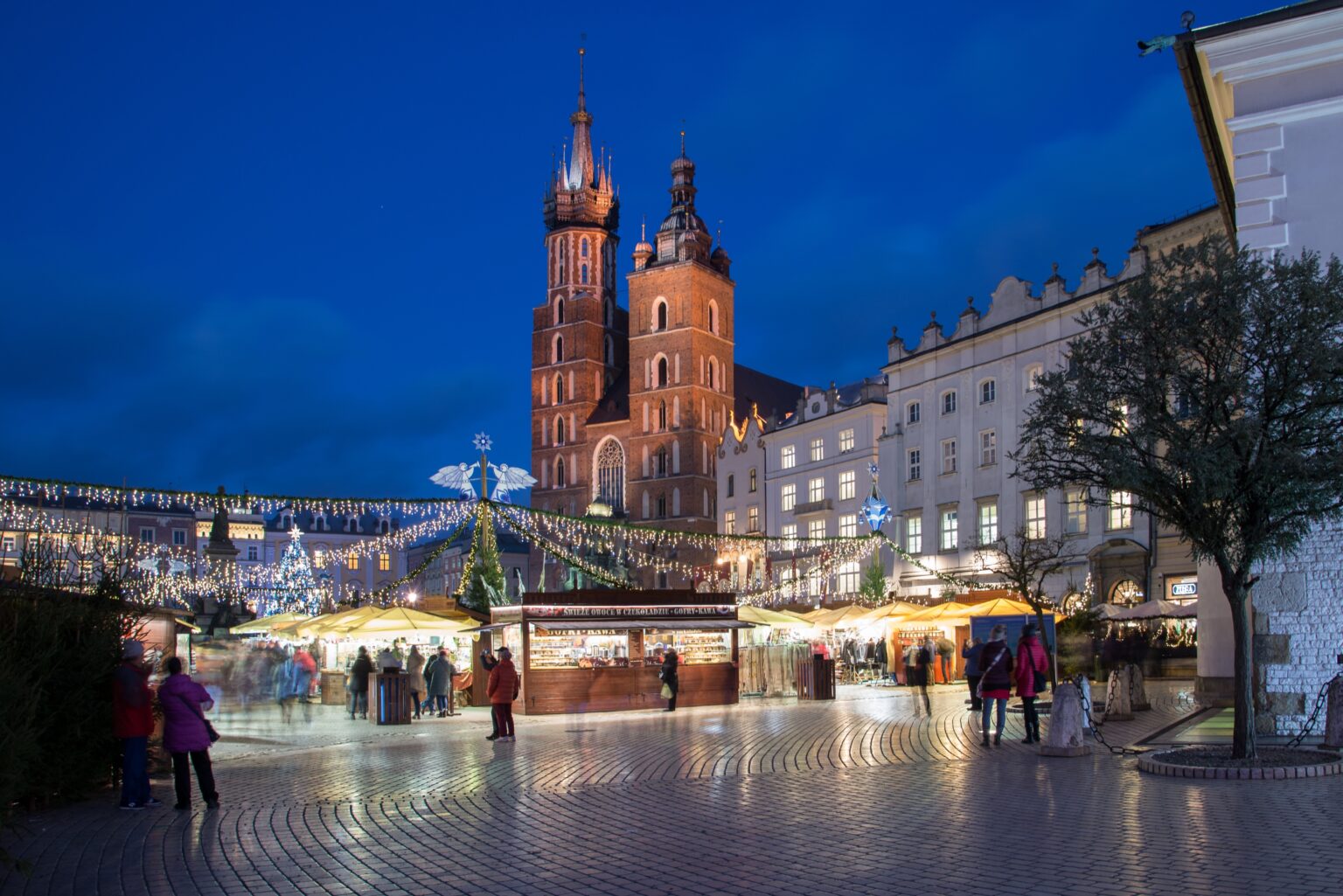
Krakow: The Unique Tradition of the Szopki
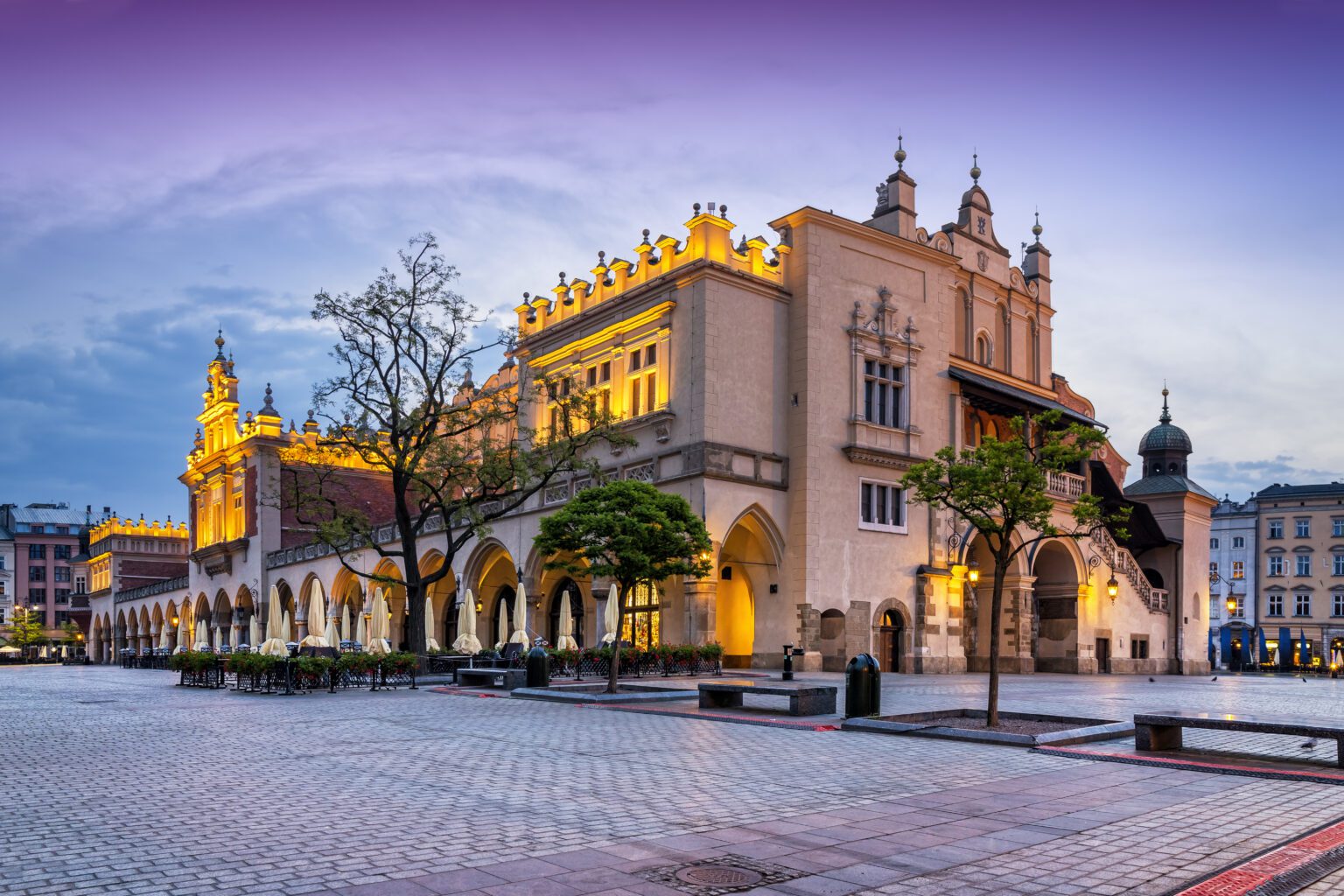
The Christmas market on Rynek Główny (Main Market Square) is a magnificent setting, with the Cloth Hall (Sukiennice) as its backdrop (November 24 – January 7).
The event that makes Krakow unique in the world is the Nativity Scene (Szopki) Competition, now part of UNESCO Intangible Cultural Heritage. The Szopki are complex and sparkling architectural works, meticulously crafted from wood, cardboard, and colorful tinfoil (stanioł). Inspired by the city’s iconic monuments—from the spires of St. Mary’s Basilica to the ramparts of Wawel Castle or the arcades of the Cloth Hall—these creations host not only the Nativity but an entire universe of national heroes, saints, Polish folklore figures, and sometimes even satirical or contemporary figures.
A tradition dating back to the 19th century, when local bricklayers, inactive during winter, sought additional income by building these works. The sizes vary extraordinarily: from miniatures of a few centimeters (5-10 cm) to monumental creations that have reached up to three meters.
To witness this ritual, the date to mark on the calendar is the first Thursday of December (this year, the 4th). At 10:00 AM, the artists gather at the foot of the Adam Mickiewicz monument in the main square, displaying their works. At 12:00 PM, after the trumpet call from St. Mary’s Basilica tower, a colorful procession carries the Szopki to the Krzysztofory Palace for judging. For those who arrive later, the award-winning works will be exhibited at the Krzysztofory Palace (Museum of Krakow) from December 8 until March 1, 2026.
Winter Charm: From the Baltic to the North Sea
In Northern Europe, Advent takes on a different character, where ancient legends meet modern design and the pursuit of hygge—the Scandinavian concept of intimacy and comfort.
Tallinn: Where the First Tree Was Raised (1441)
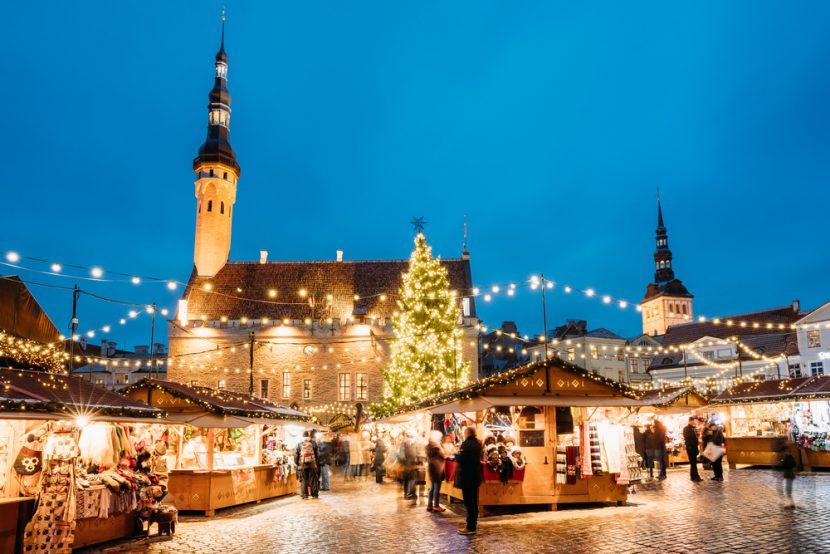
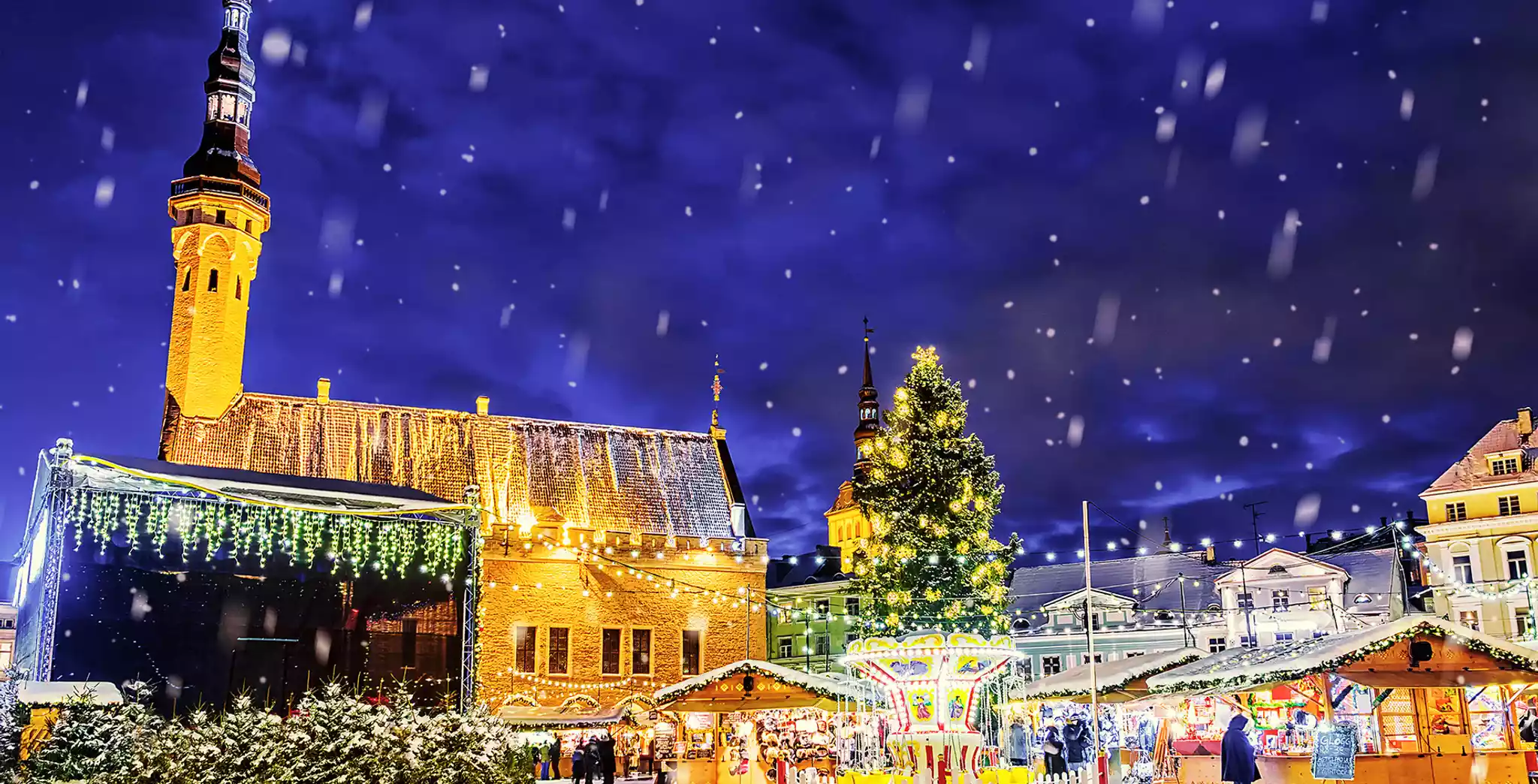
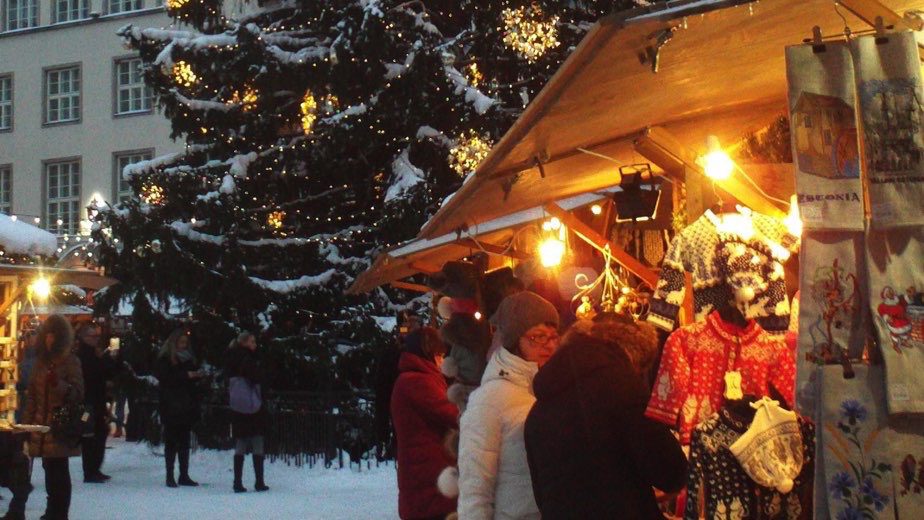
The Tallinn Christmas Market (Jõuluturg), held in the Town Hall Square (Raekoja plats), is a narrative experience. It is cozy, medieval, and revolves entirely around a founding legend. Its claim to fame, though contested by nearby Riga, is to have hosted the first publicly displayed Christmas tree in Europe. The story goes that in 1441, the Brotherhood of Blackheads (a guild of unmarried merchants) erected a fir tree in the square, danced around it in a celebratory ritual, and finally set it on fire. The tree that dominates the square today is the direct descendant of that secular ritual, lending the market a Gothic fairytale atmosphere. The market will be open from November 21 to December 28, 2025.
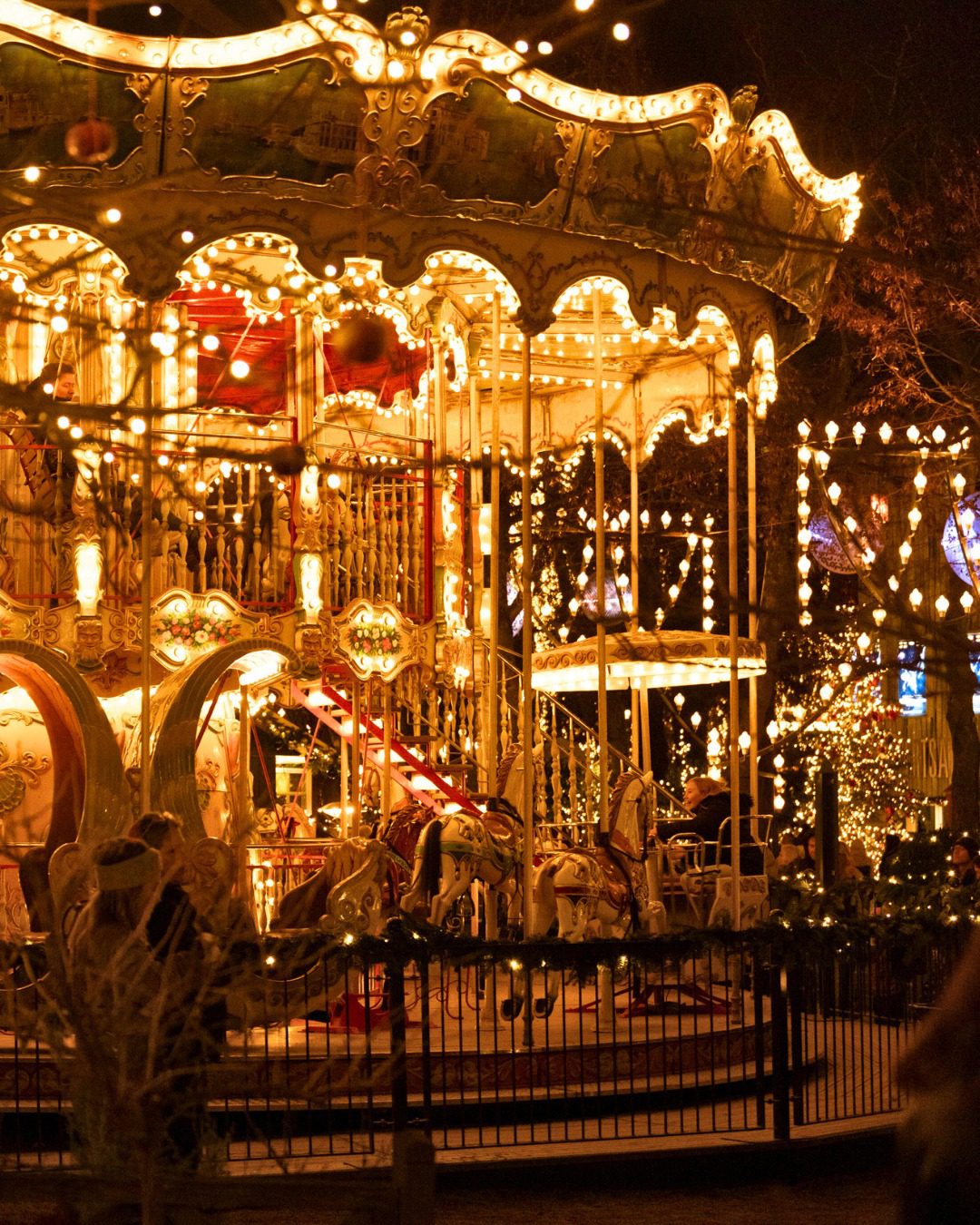
Copenhagen: The Enchanted Christmas at Tivoli Gardens
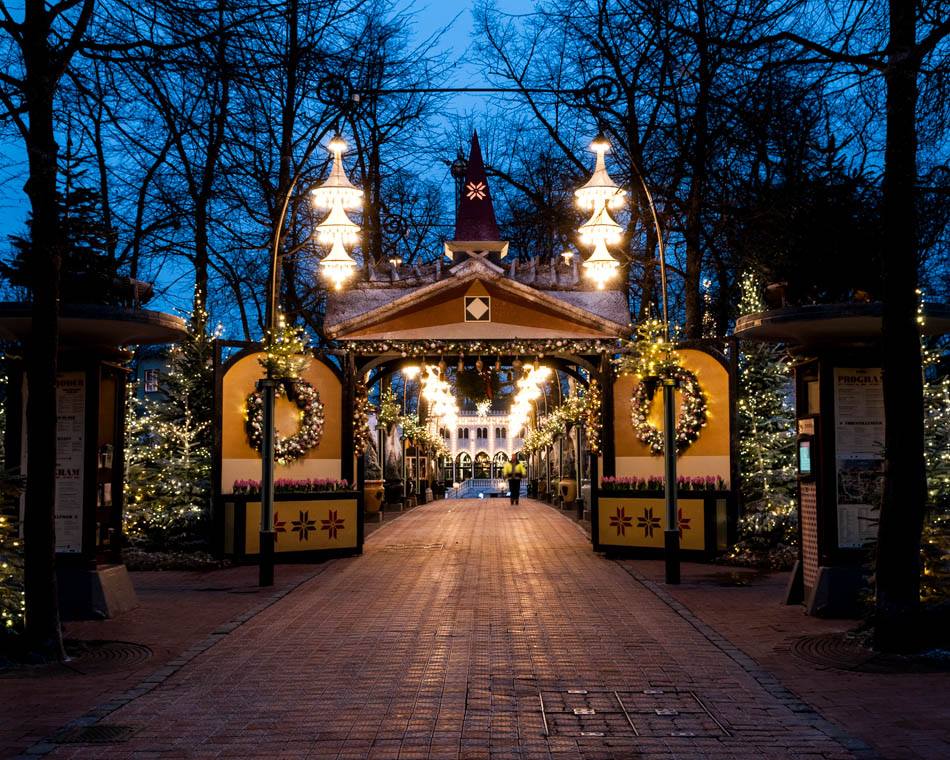
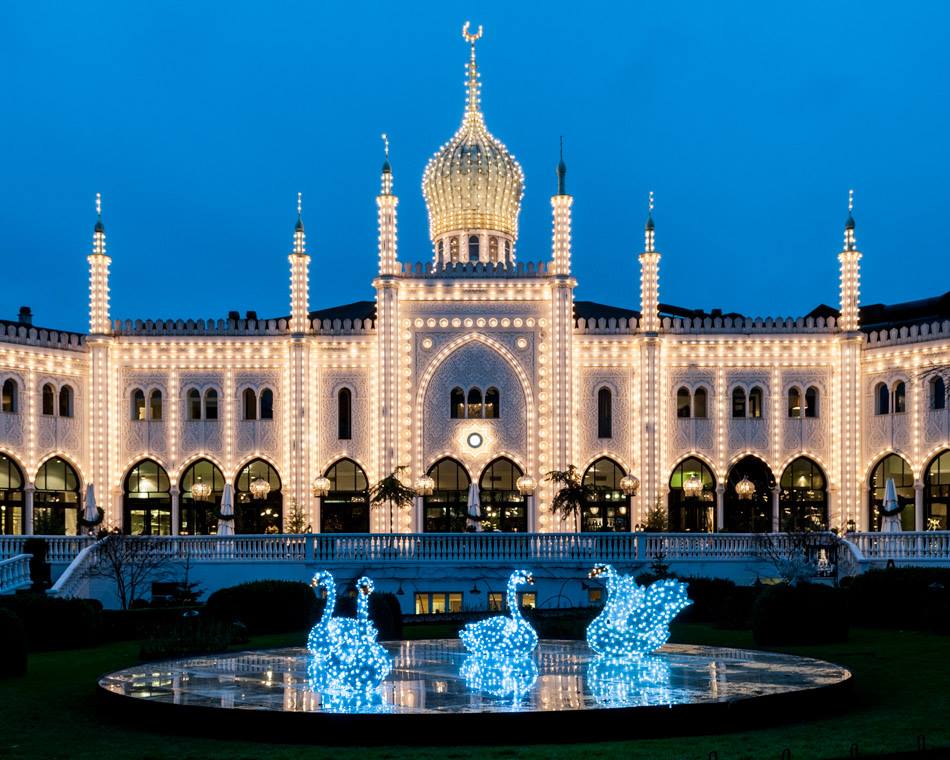
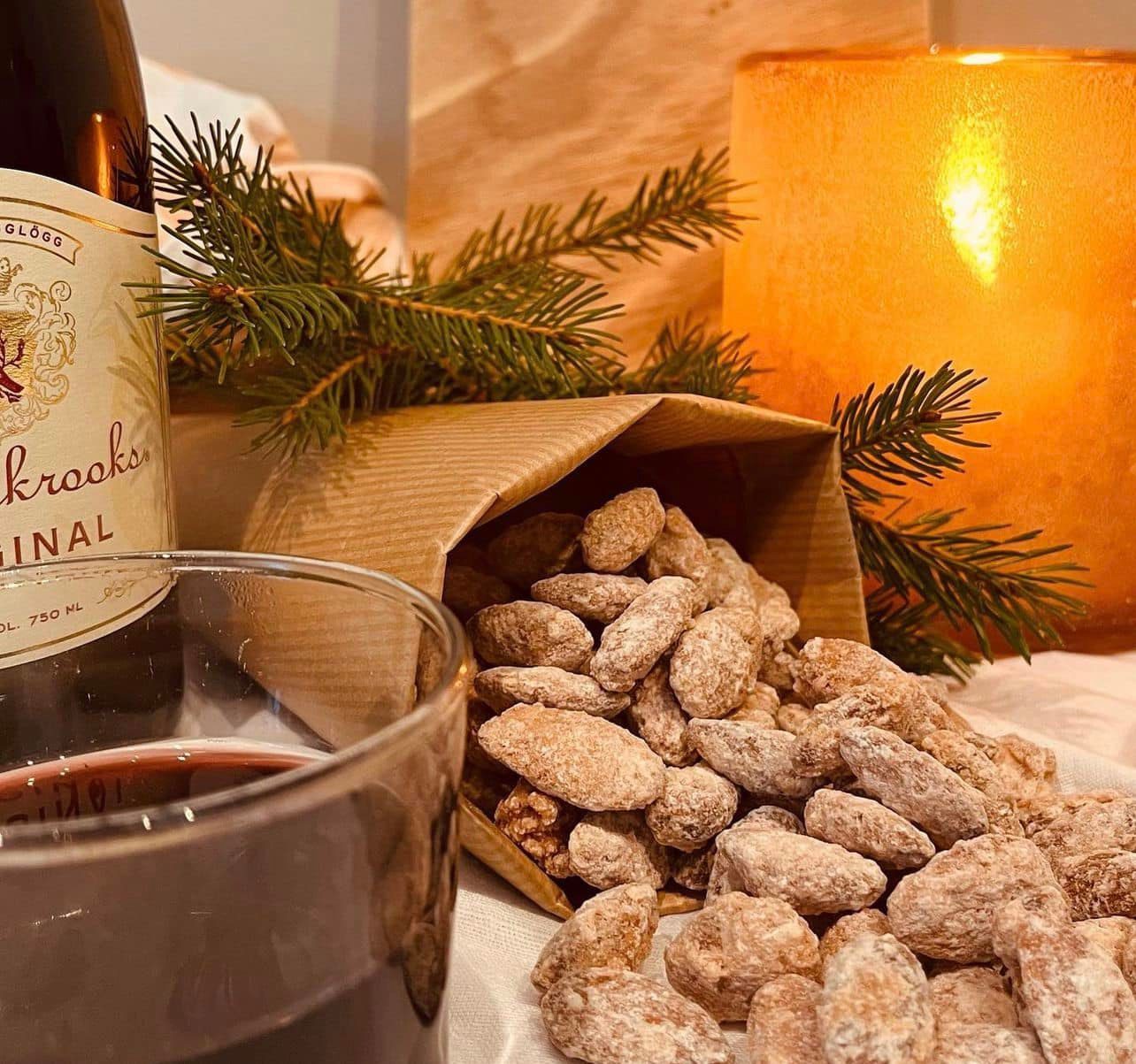
Christmas in Copenhagen is synonymous with Jul i Tivoli. This is not a traditional market in a public square, but the Christmas setting of one of the world’s oldest and most charming amusement parks. One strolls among vintage carousels and light installations, warming up with æbleskiver (spherical pancakes) and gløgg (local mulled wine). The 2025 season is long, running from November 14 to January 4, 2026. Until December 23, it is possible to meet Santa Claus, and on December 13, the atmosphere becomes even more magical with the traditional and evocative St. Lucia Parade, which glides through the gardens.
Stockholm: Northern Lights between Gamla Stan and Skansen
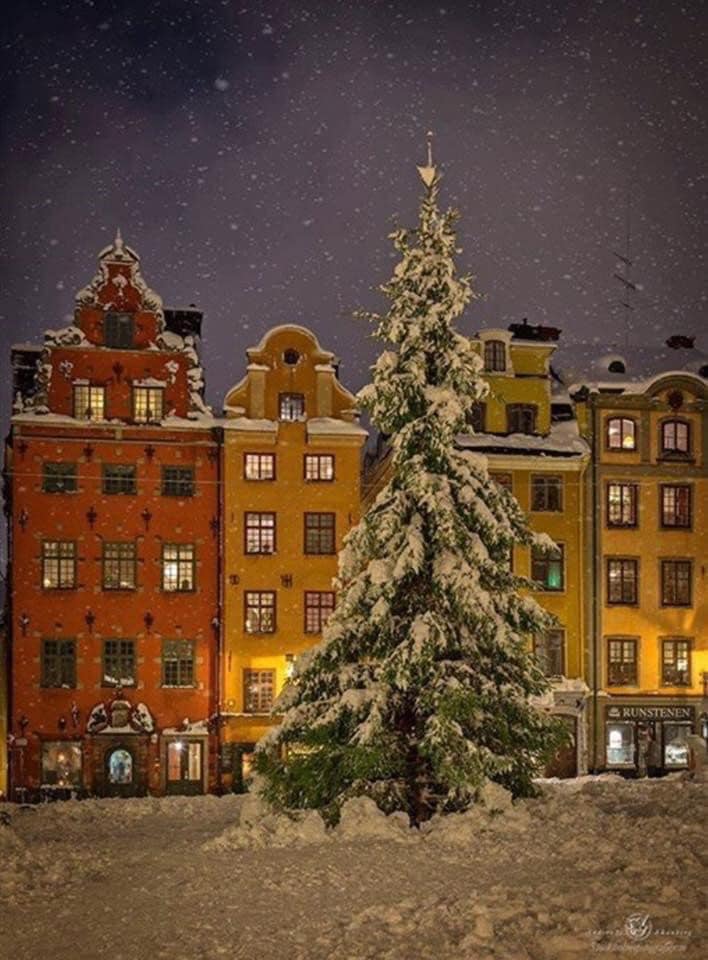
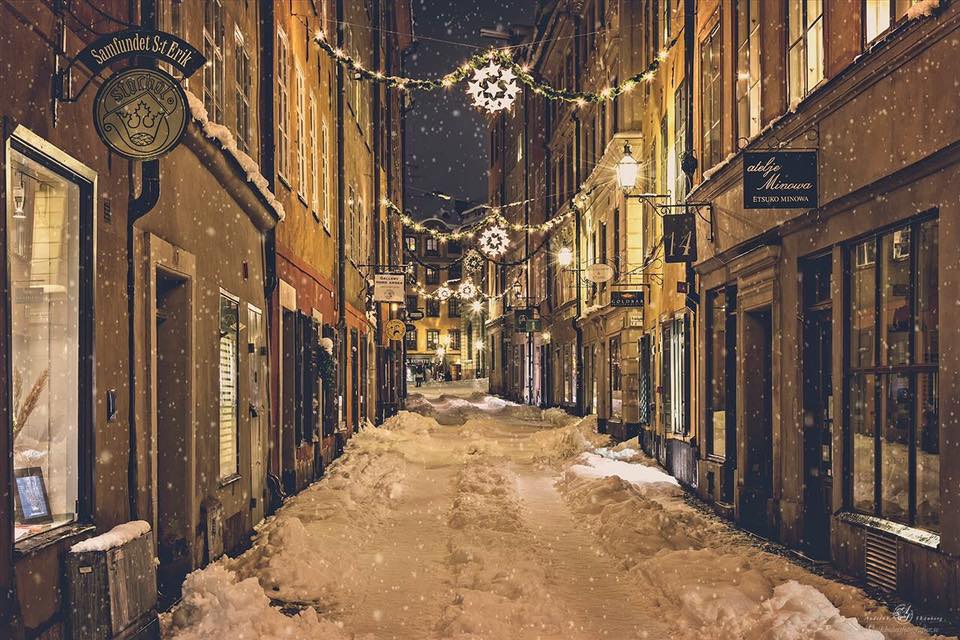
Stockholm splits its festive soul. On one hand, there is the “perfect postcard”: the Stortorgets Julmarknad, the intimate and traditional market in the main square of Gamla Stan (the Old Town), open from November 22 to December 23. On the other, there is the immersive cultural experience of the Skansen Julmarknad. Skansen is the world’s first open-air museum. Although Christmas celebrations in the park last from November 29 to January 6, the Historic Christmas Market (active since 1903, with 70 stalls and workshops) is held exclusively on weekends. Visiting it means seeing how Christmas was celebrated in different eras of Sweden, inside historic homes and farmsteads animated by costumed interpreters.
Western Europe: Between History and Design
From historic Alsace to Georgian Great Britain, Western Europe blends the Christmas event with the city’s architectural identity, creating unique settings.
Strasbourg: The Capital of Christmas (since 1570)
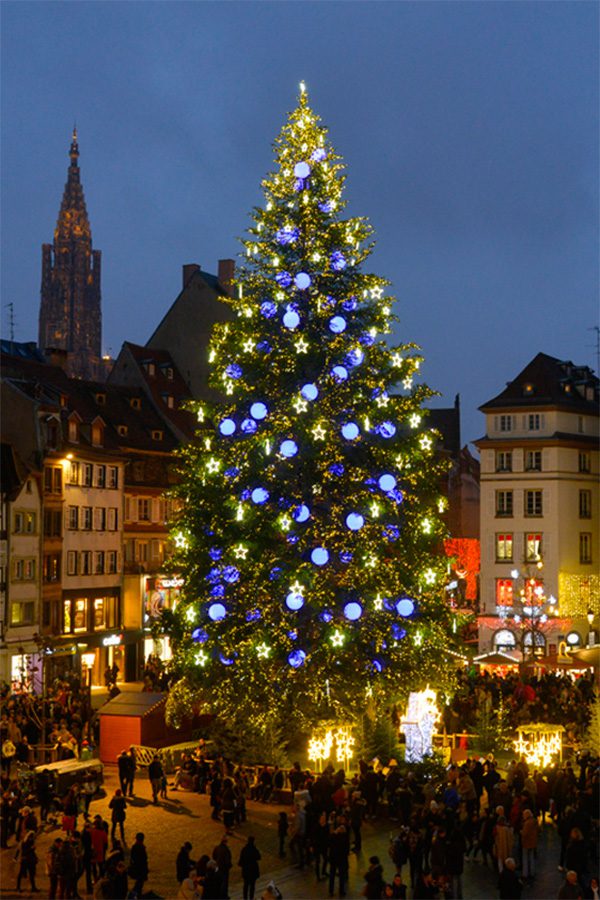
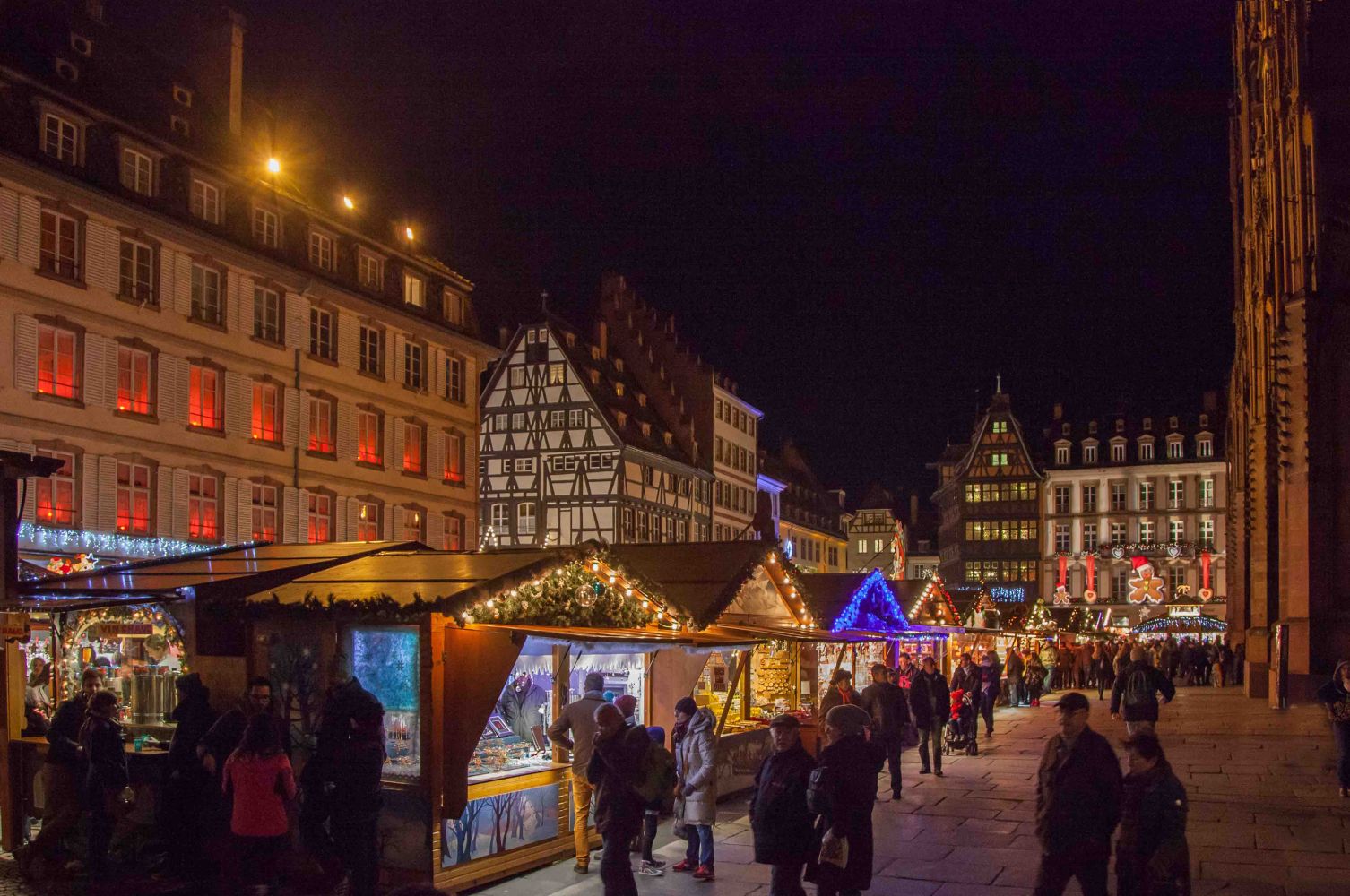
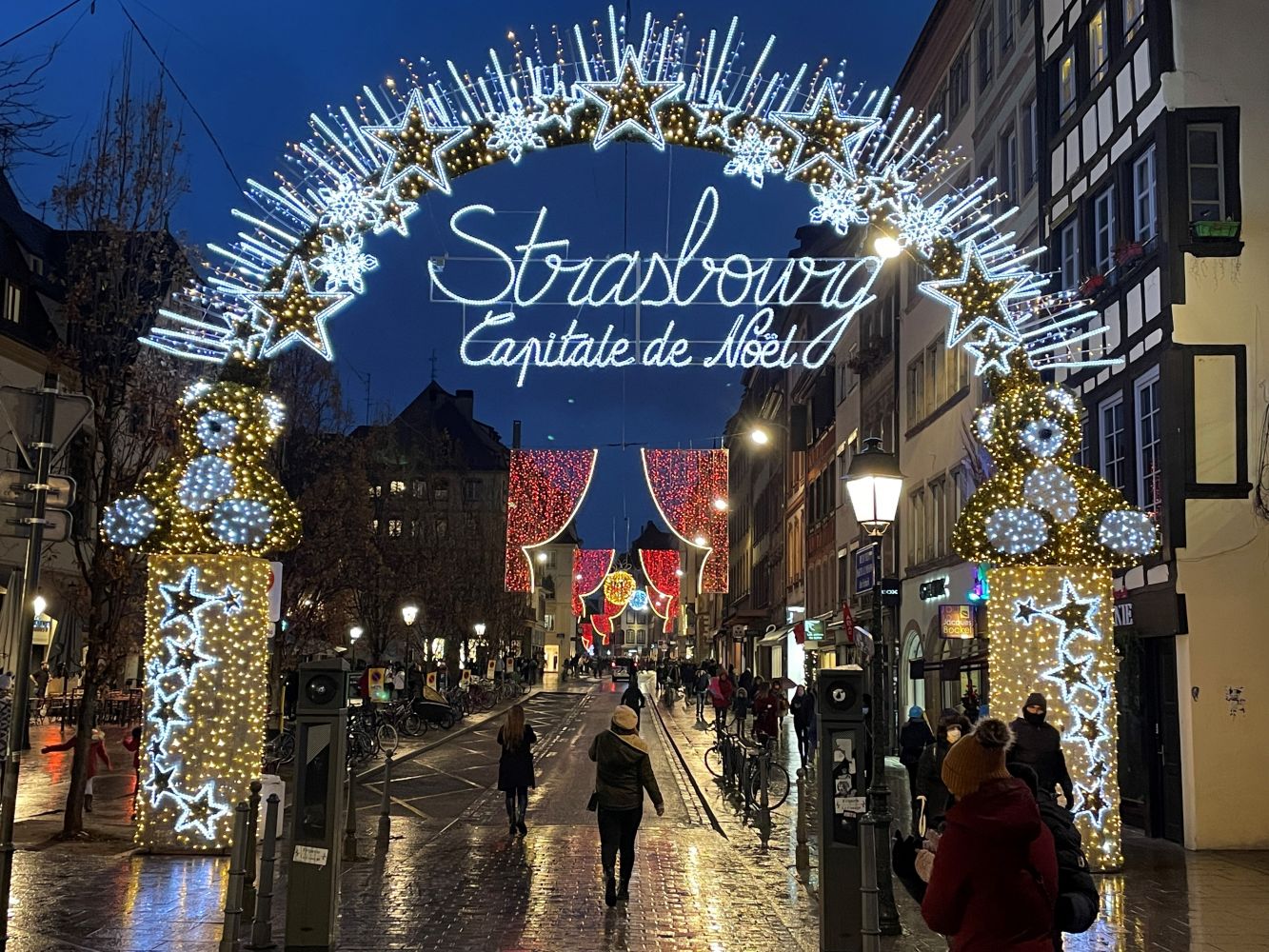
Strasbourg doesn’t just have one market; the entire Grande Île (a UNESCO World Heritage site) transforms into the “Capital of Christmas.” The event, whose origins date back to 1570, is one of the largest and oldest in Europe (November 26 – December 24, 2025). The undisputed symbol is the Grand Sapin (Great Fir Tree), an imposing and magnificently decorated tree that dominates Place Kléber. In addition to the traditional markets, like the iconic one by the Cathedral, those seeking a conscious alternative should note the Marché OFF in Place Grimmeissen. This is a market dedicated to the social and solidarity economy and responsible consumption, unveiling ethical products and a different perspective on Christmas.

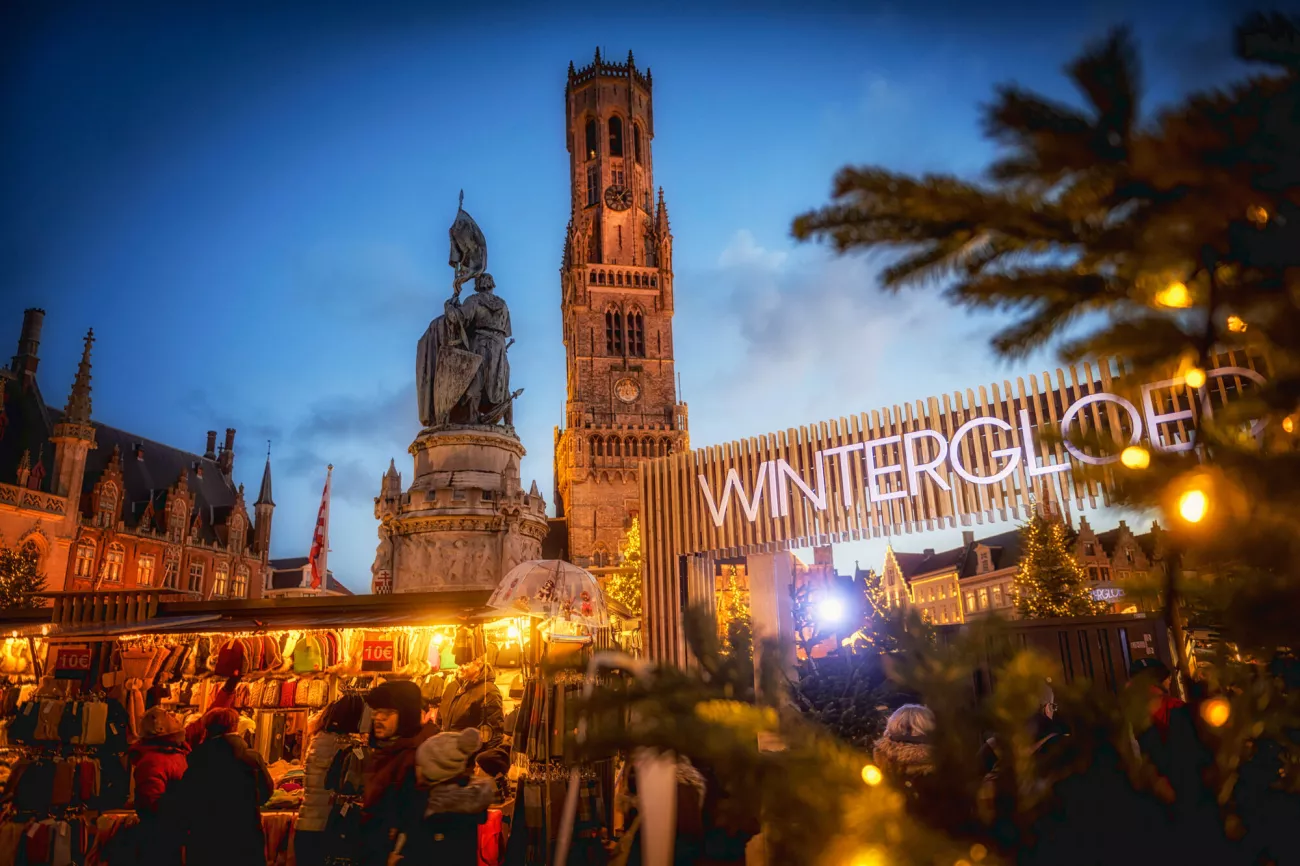
Bruges: The Winter Glow
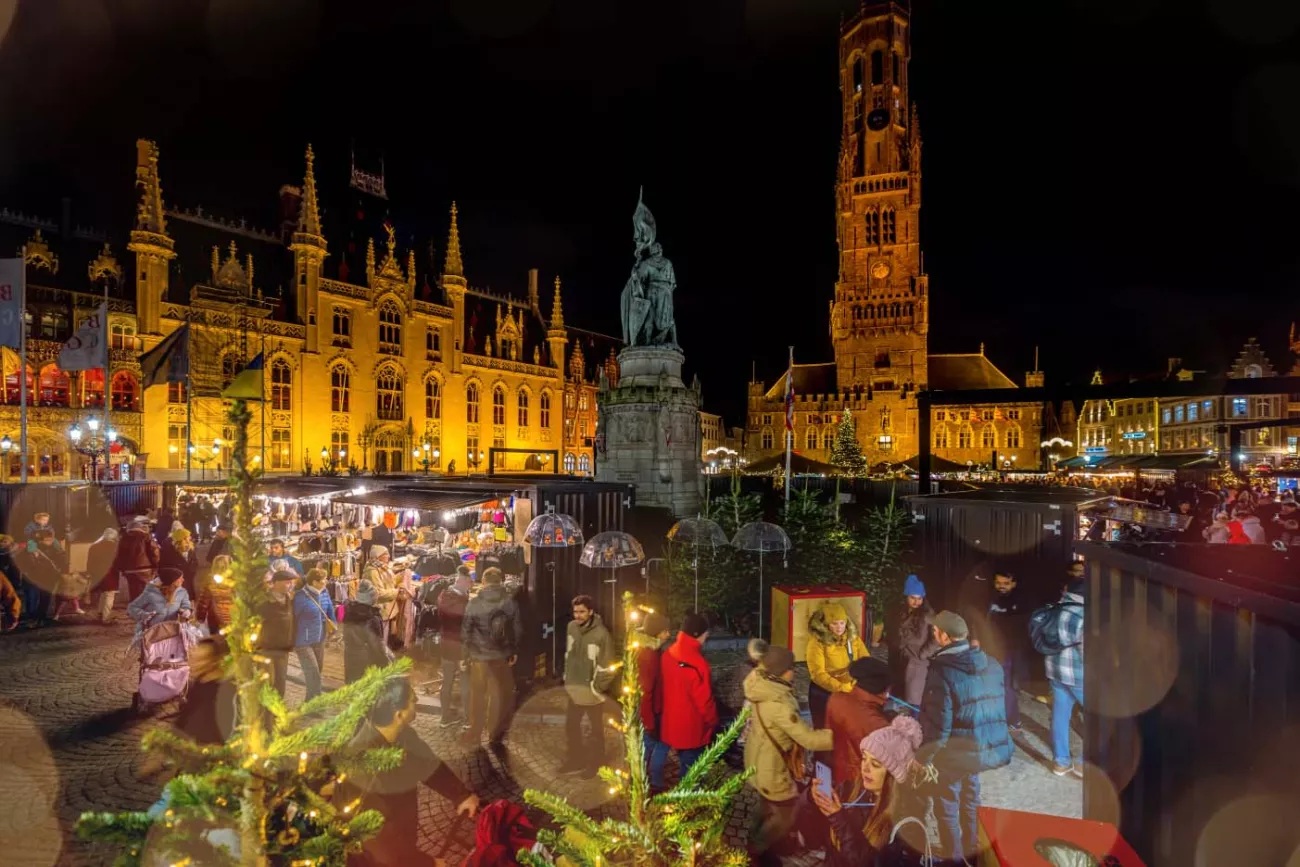
It is essential to approach Bruges with the correct terminology. The city’s event is no longer just a “market” but has been strategically repositioned as Winter Glow. It is an integrated festival that uses the medieval architecture as a canvas for an experience of light and design (November 21 – January 4). Although traditional markets are present, the real protagonist is the Light Experience Trail, a path of artistic and interactive light installations that guides visitors through the historic city, complemented by an ice-skating rink.


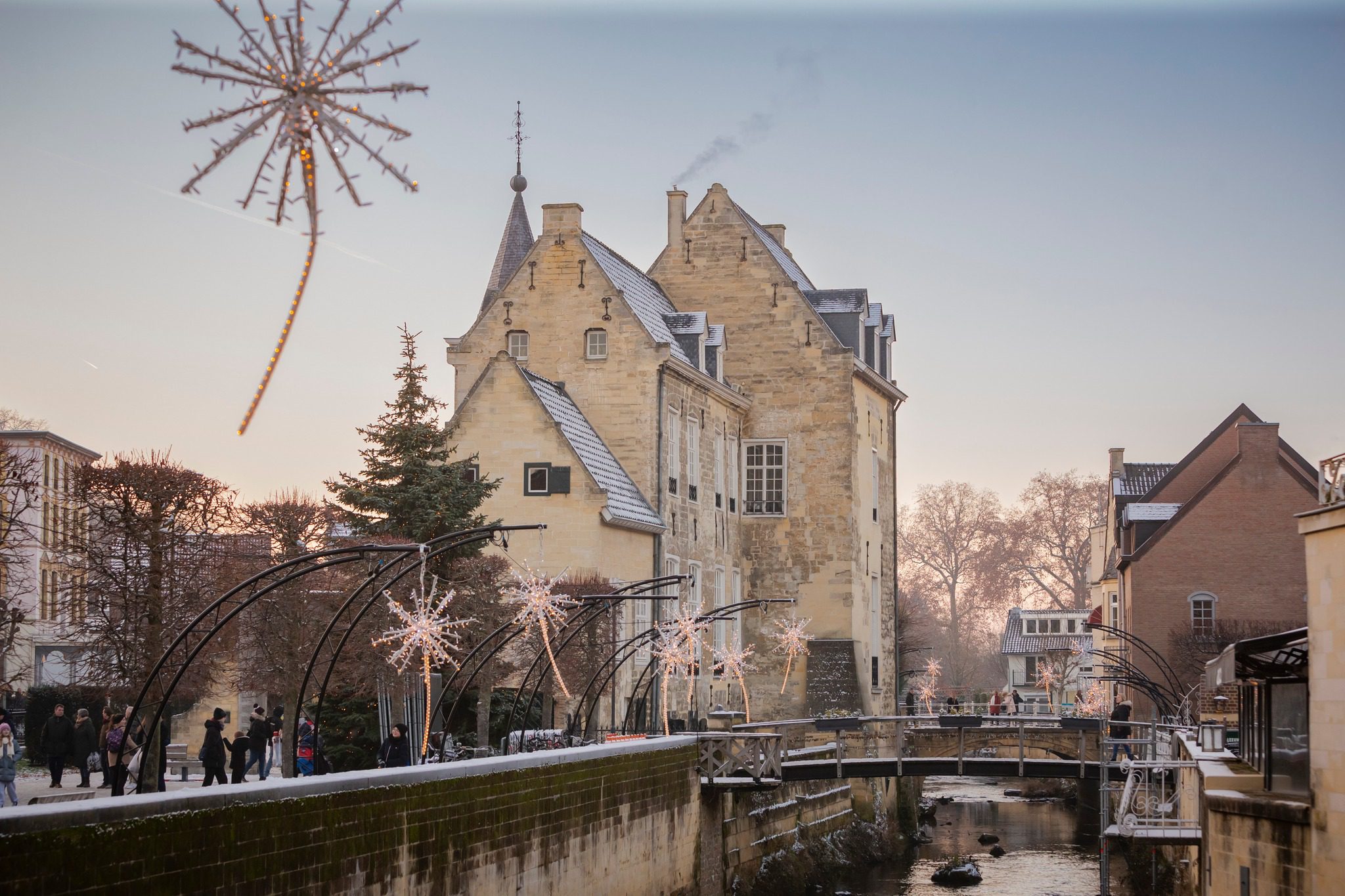
Valkenburg: Christmas in the Caves
In the Netherlands, Kerststad Valkenburg (Christmas Town Valkenburg) reveals a setting unique in Europe: the underground markets, set up in the ancient marlstone caves (November 14 – January 5). The exploration is divided between the Gemeentegrot (Municipal Cave), the largest underground market in Europe, and the Fluweelengrot (Velvet Cave), which has a more intimate atmosphere and an 18th-century chapel. The subterranean experience is complemented by a surface event: the Christmas Parade, a procession of illuminated floats that parades through the center twice a week, on Wednesday and Saturday evenings.
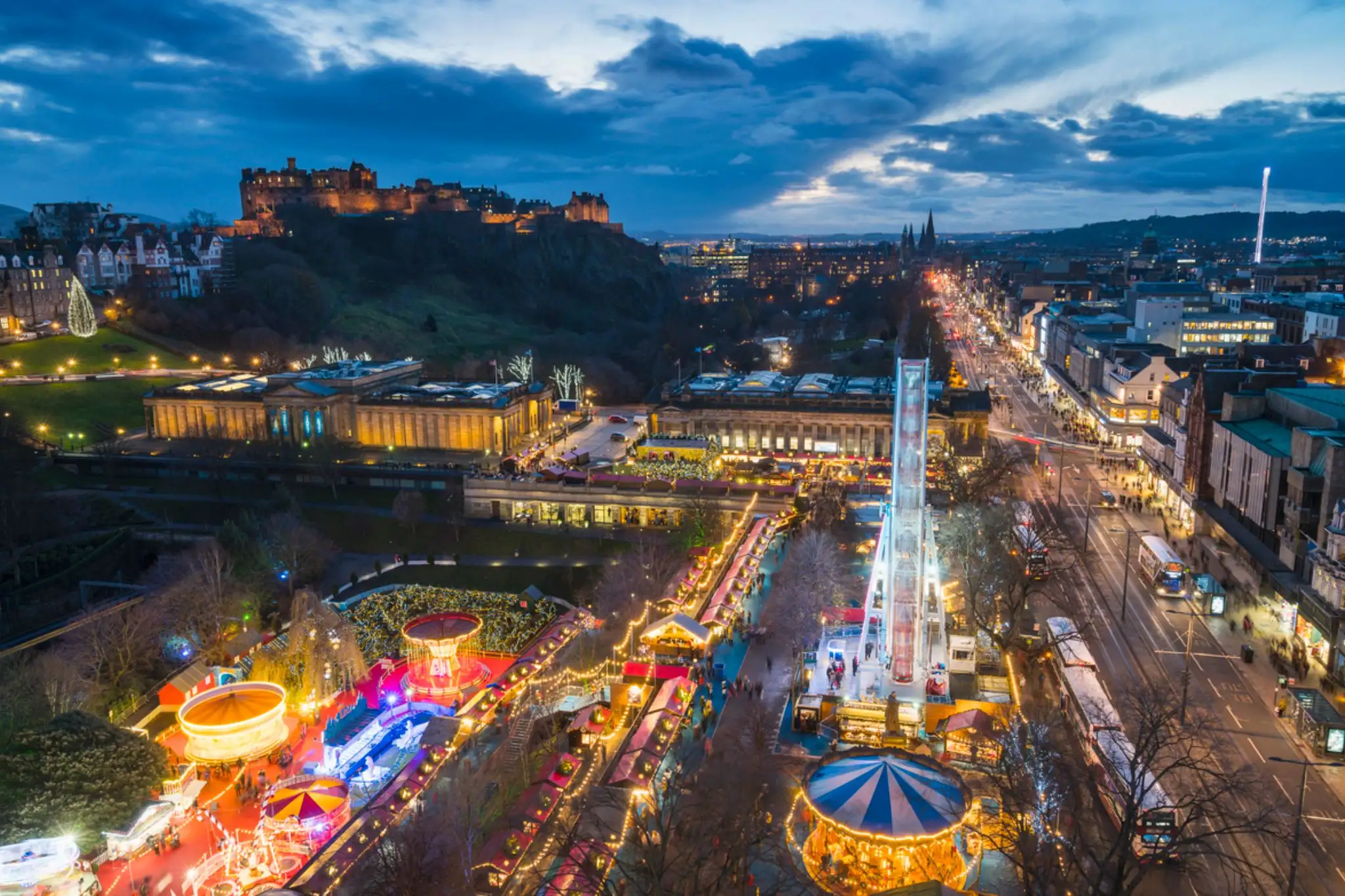
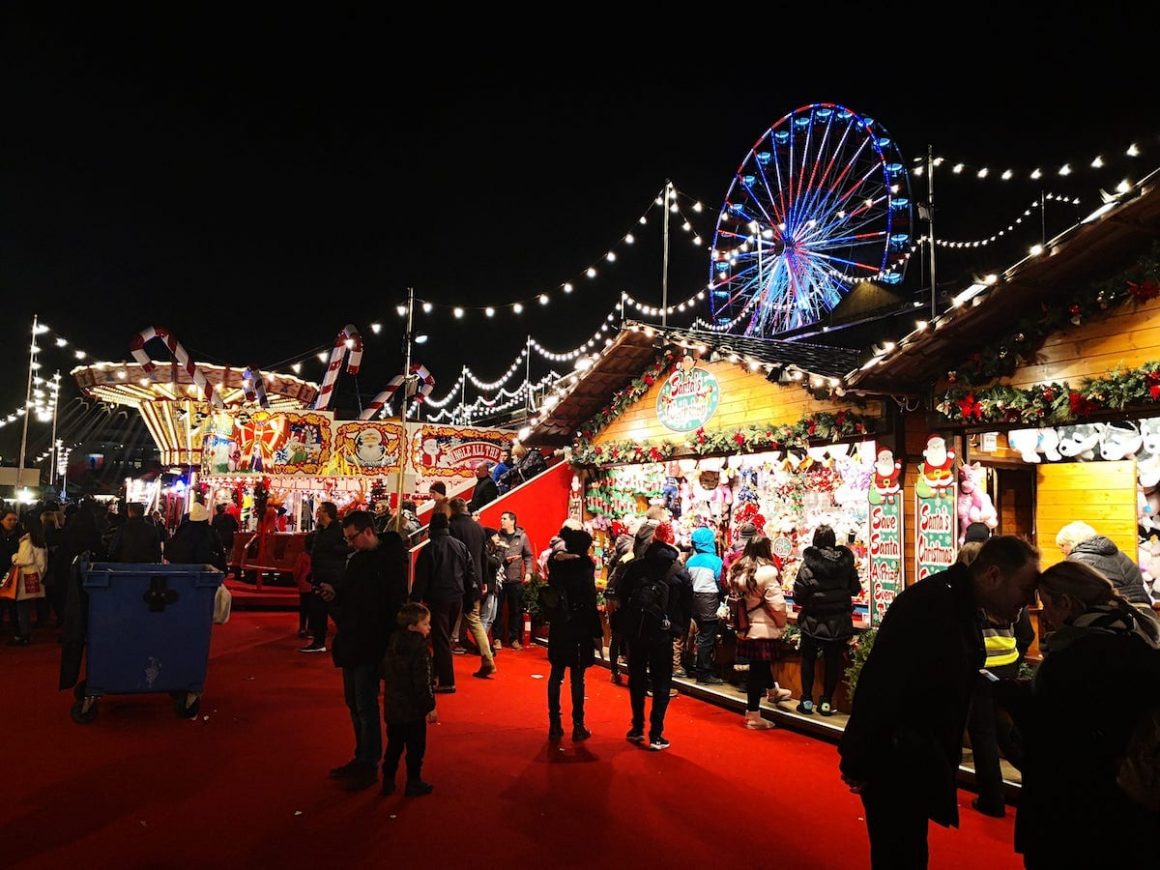
Edinburgh: Scottish Vigor, from Market to Hogmanay
Christmas in Edinburgh is a high-energy event, a long prelude to Hogmanay, the famous and wild Scottish New Year’s celebration. The markets in Princes Street Gardens and the ice rink on George Street are open from November 15 to January 4, culminating in the year-end events: the Torchlight Procession (December 29), an evocative torchlit procession through the Old Town with the participation of the Shetland “Vikings,” and the climax of the Hogmanay Street Party on December 31.
Bath: 25 Years of Georgian Craftsmanship
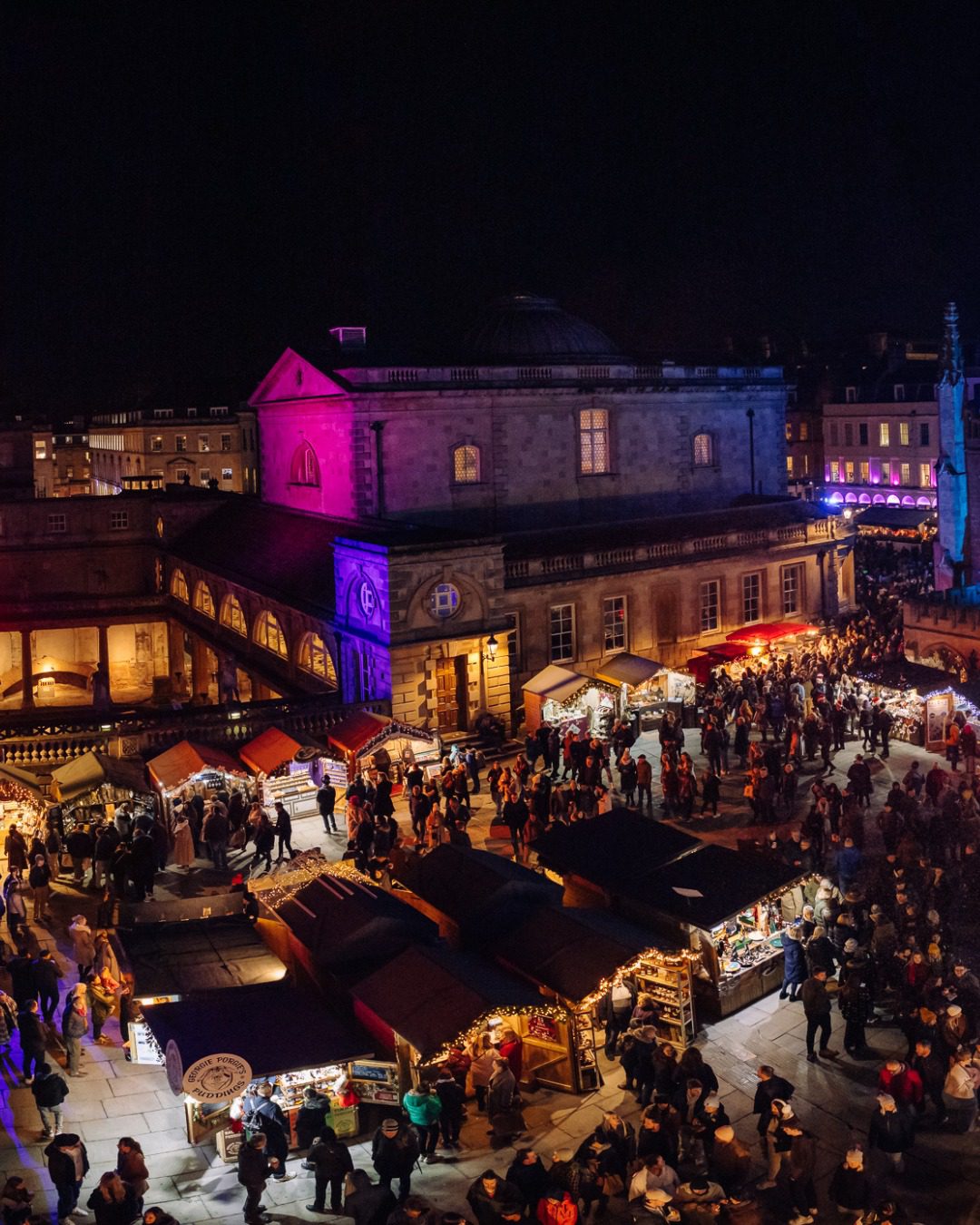
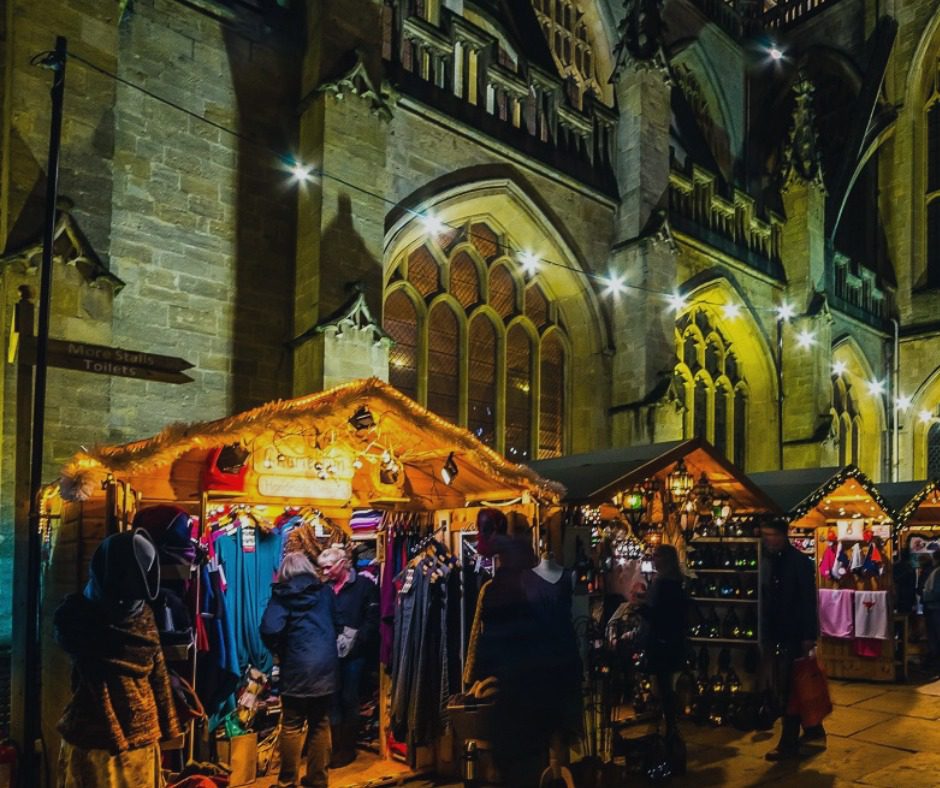
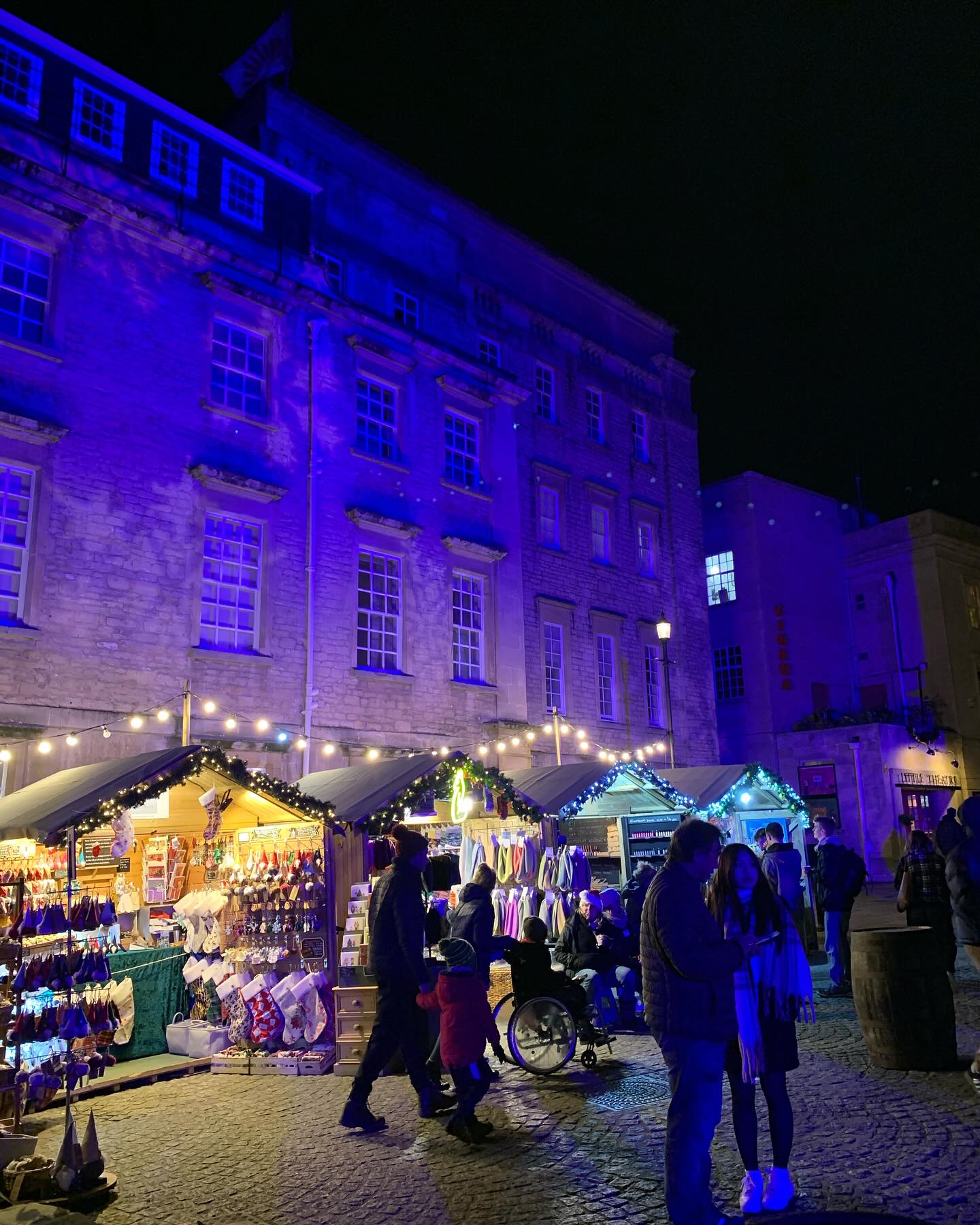
The Bath Christmas Market is the antithesis of the large mass-market events. It is short, curated, and authentic. Held for only 18 days (Nov 27 – Dec 14) against a Georgian backdrop (a UNESCO World Heritage site), it celebrates its 25th Anniversary. Its strength is its authenticity: 65% of the chalets are reserved for local businesses and artisans, making it the premier destination for conscious gift-giving. A note for 2025: the Quieter Shopping Times (Tuesday and Wednesday mornings, 10:00 AM–12:00 PM) for a more relaxed shopping experience.
Beyond the Known Borders: Other Scenes of European Advent
Advent in Alsace is not limited to Strasbourg: it unfolds along the “Fairytale Route,” among the illuminated half-timbered houses of Colmar, Eguisheim, and Riquewihr. Not far away, following the course of the Rhine, one encounters other major attractions: Cologne sets up its market in the majestic shadow of its Cathedral, while Aachen draws crowds for its historic tradition. For an atmosphere that blends alpine rigor with Italian warmth, the route leads to South Tyrol (Alto Adige), amid the Dolomite scenery of Bolzano, Merano, and Trento. The United Kingdom also interprets the tradition on a large scale, from the large German-style market in Birmingham to the one that takes over the center of Manchester.