In the year of the Buyer’s Market, our selection champions complexity and terroir, from emerging Vignerons to the Grandes Maisons. Here are the best Champagnes for drinking beautifully this Christmas, at advantageous prices.
The year 2025 marks a welcome and healthy realignment for the world of Champagne. With the post-pandemic euphoria (and price peaks) firmly in the past, a contraction in global demand and high inventories have transformed the landscape into a buyer’s market.
Champagne’s own reaction is emblematic. The Comité Champagne (CIVC) responded to this slowdown with a drastic move for the 2025 vintage: the marketable yield (rendement) has been set at just 9,000 kg/ha, the lowest of the modern era (excluding 2020). This is not an agronomic choice, but a sophisticated operation of scarcity engineering to rebalance stocks (over 260 million bottles) and protect future pricing.
For the Italian connoisseur, this juncture is a golden opportunity: the cellars are full today, but the industry is already tightening the taps for tomorrow.
The Italian market, having returned to solid pre-Covid volumes (8.4 million bottles) but confirming its place as fourth in the world by value, is now more mature than ever. The real challenge for Champagne comes not from overseas, but from within: the excellent competition from local Metodo Classico (Franciacorta, Trento Doc) has made the consumer more discerning and selective. Unjustified price increases are being rejected, and the motto has become “buy less, but better.”
This polarization rewards discovery. The €40-€60 bracket is no longer dominated by the entry-level offerings of the Grandes Maisons (Négociant-Manipulant), but has become the hunting ground for true complexity. The value now lies with the Vignerons (Récoltant-Manipulant), who express terroir and artisanal precision, and in the cutting-edge Cooperatives (Coopérative-Manipulant), which are capable of offering vintages and low-dosage styles at unbeatable prices.
The Selection: 10 Cuvées for Quality and Complexity
The 2025 selection does not reward the cheapest labels, but those that guarantee the highest score in terms of quality, complexity, and adherence to terroir within the established budget. We have sought a balance that reflects the market’s maturity: from the classic references of the Grandes Maisons that define a style—like the Chardonnay elegance of Taittinger or the vinous power of Bollinger’s Pinot Noir—to the purest expressions of the Vignerons.
It includes the chalky verticality of a Blanc de Blancs Premier Cru (Pierre Gimonnet) and the gastronomic structure of a Rosé Grand Cru (André Clouet). Finally, the selection is rounded out by the avant-garde Cooperatives (CM), capable of presenting a rare Blanc de Noirs vintage (Chassenay d’Arce) and even a Brut Nature without sulfites (Chavost).
The Grandes Maisons – Reliable Value and Unmistakable Style
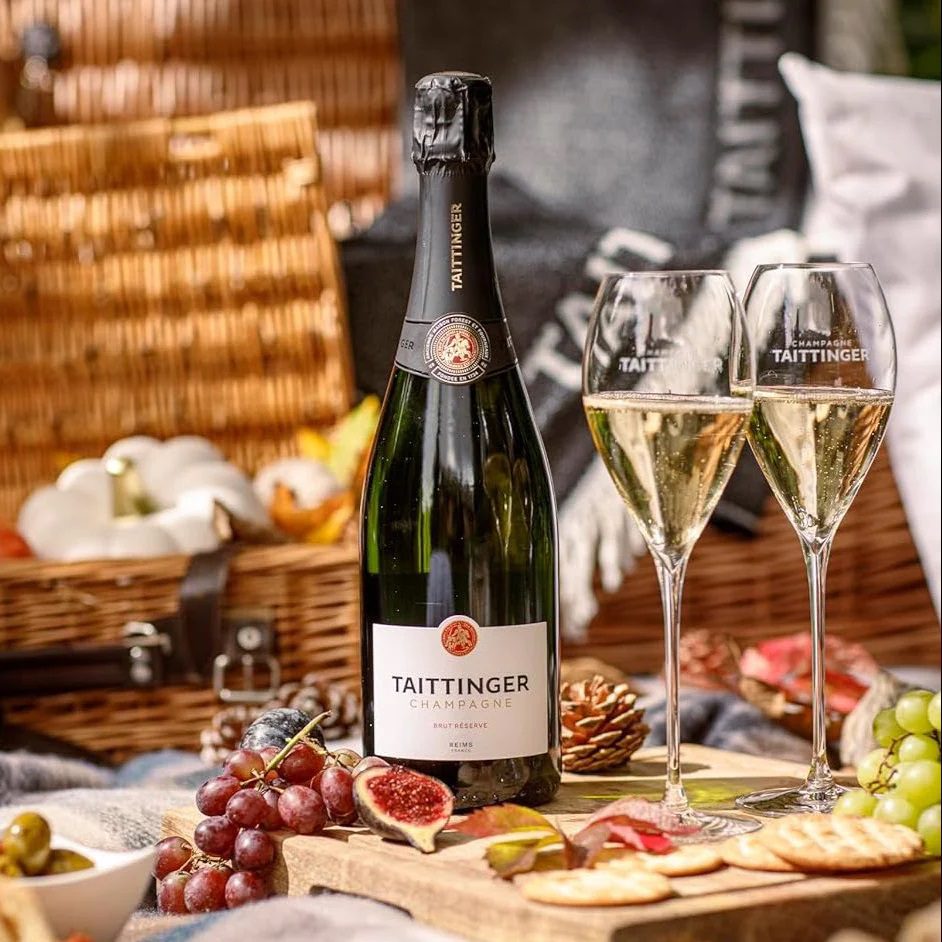
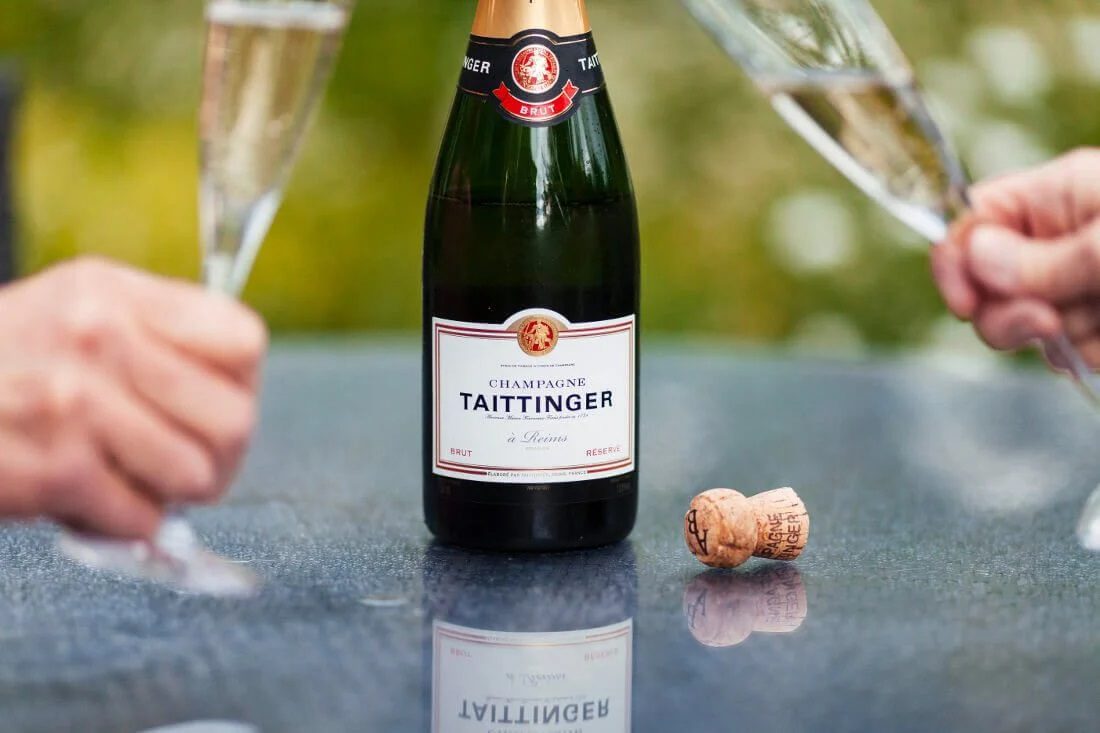
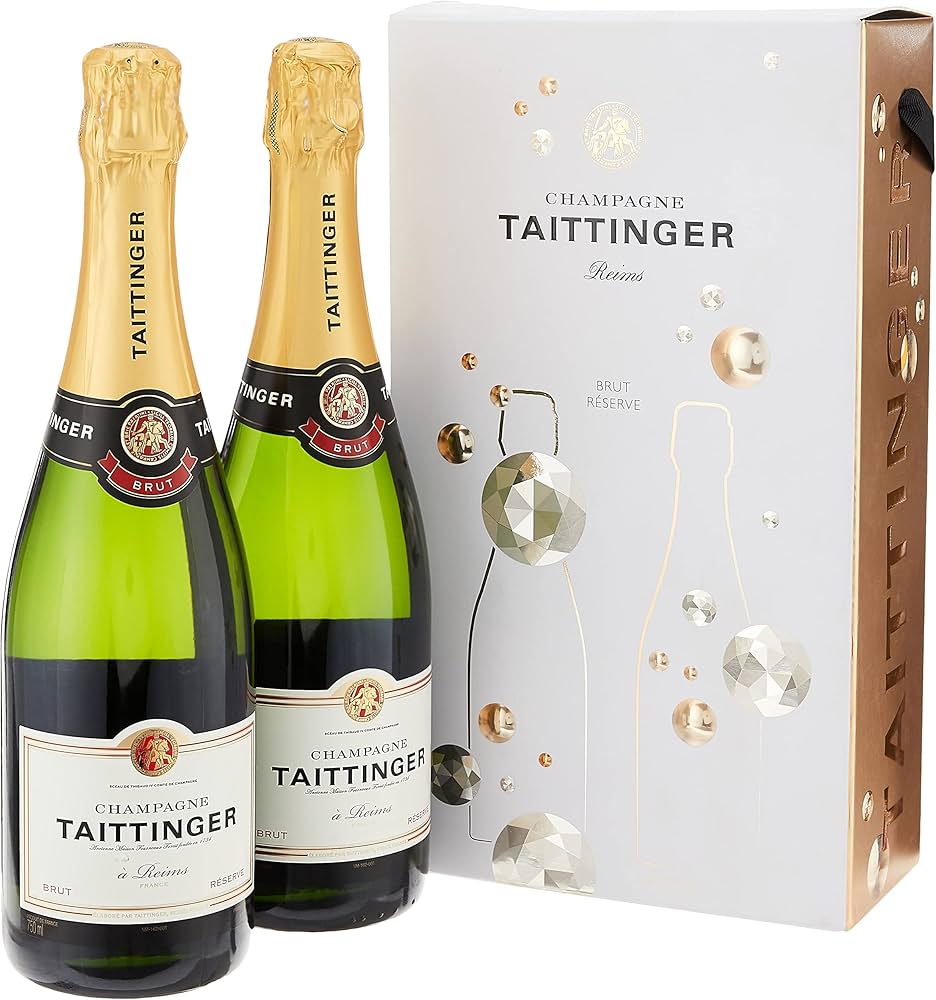
Taittinger Brut Réserve (NM)
A choice of great intelligence. The uniqueness of this Non-Vintage Brut from a Grande Maison (NM) lies in its high percentage of Chardonnay (40%), significantly above the industry average. This assemblage, combined with a minimum of 3-4 years of aging on the lees in the cellar, creates a profile that perfectly balances richness with distinctive finesse and elegance.
The nose is expressive, with scents of yeast, leavened bread dough, and lemon zest. On the palate, it is taut, with a pronounced acidity balanced by fresh notes of green apple and citrus, evolving into a persistent, toasty finish. With a shelf price between €45 and €50, it is perhaps the best entry point into the world of the Grandes Maisons for those seeking finesse and complexity without compromise.
Pairings: A classic apéritif, but its acidic backbone and structure make it surprisingly versatile, capable of accompanying fish in sauce or even light, lemon-based desserts.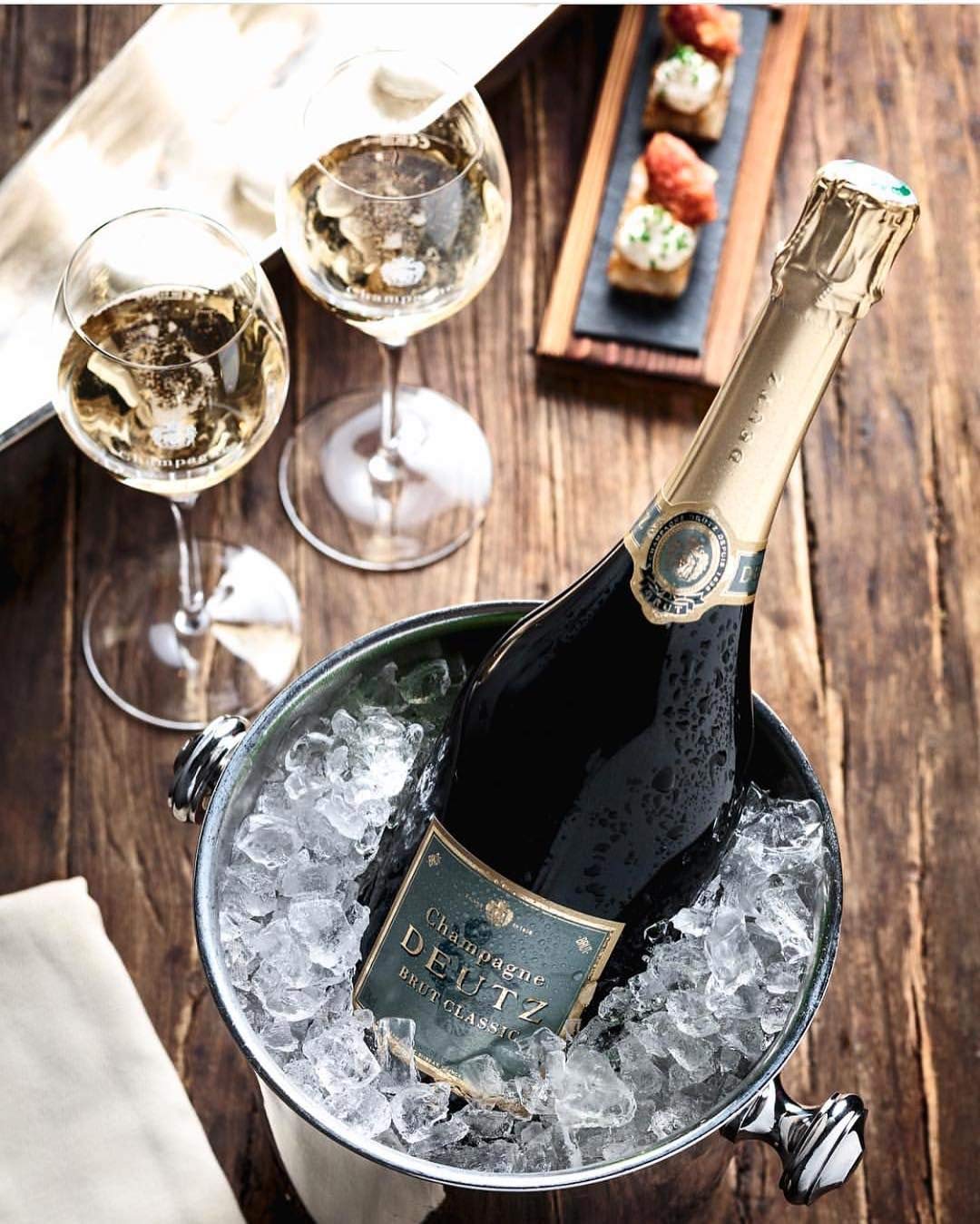
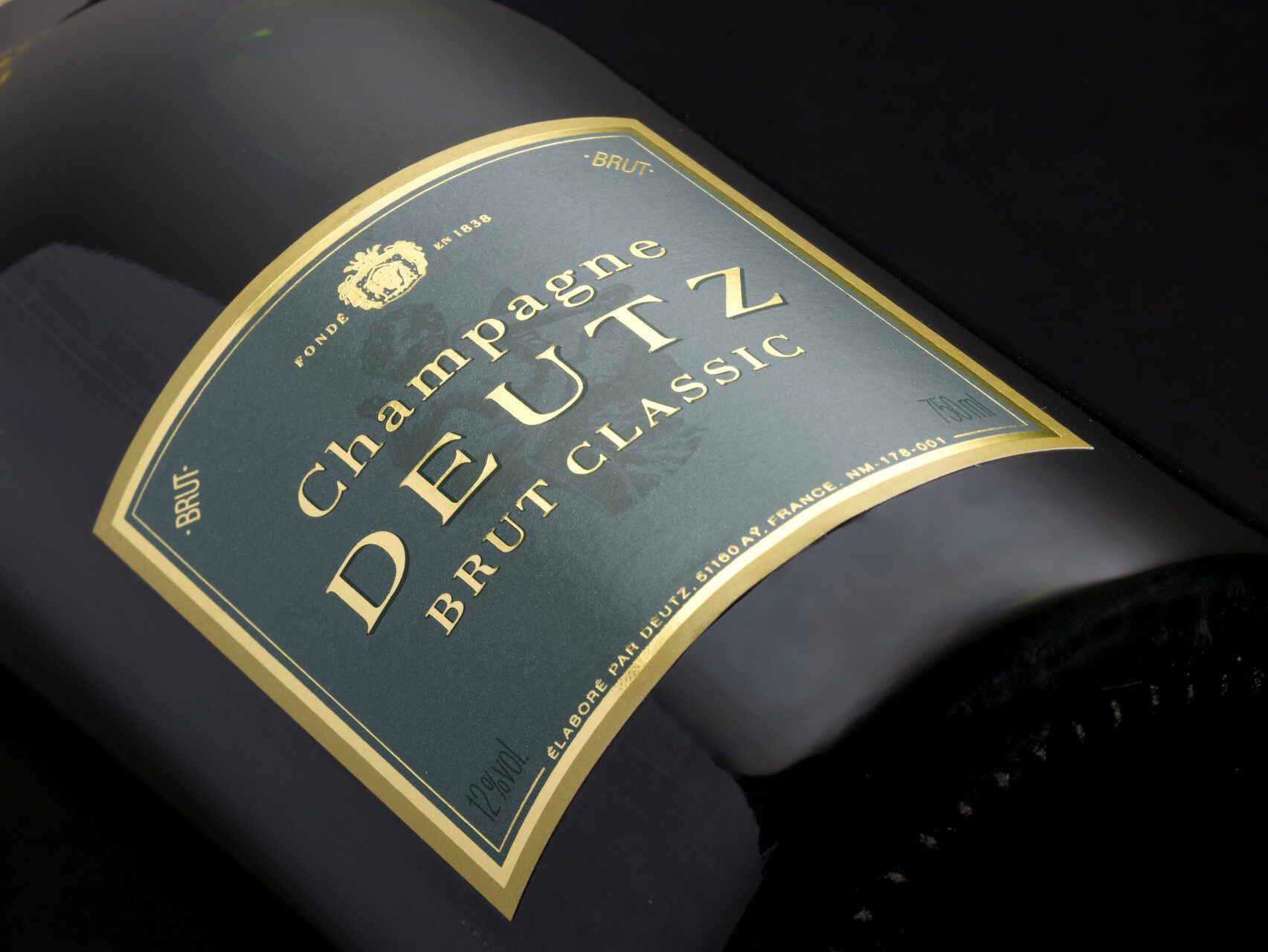
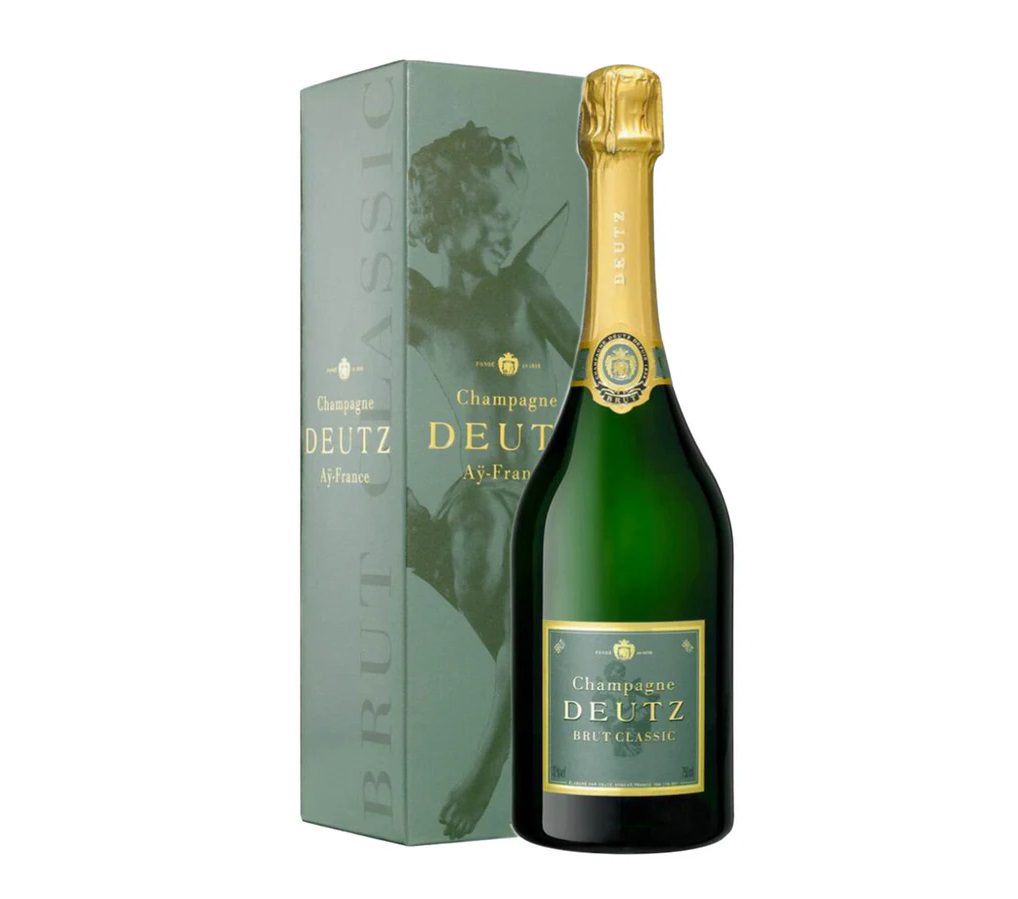
Deutz Brut Classic (NM)
Often called the “sommeliers’ Champagne,” the Deutz Classic is the epitome of balance. Built on an equal-parts assemblage of the three main grapes (approx. 33% Chardonnay, 34% Pinot Noir, 33% Meunier), it guarantees consistent quality and an aromatic profile that make it a safe and refined choice.
The nose is rich and inviting, with notes of pastry cream, green pear, and peach, and on the palate, almost honeyed notes of candied ginger and ripe peaches.
Available for between €54 and €58, it combines the seriousness of a historic Maison with an incredibly pleasant and satisfying drinkability.
Pairings: Its softness makes it ideal for dishes with a certain richness, such as baked salmon or white meats in a creamy sauce.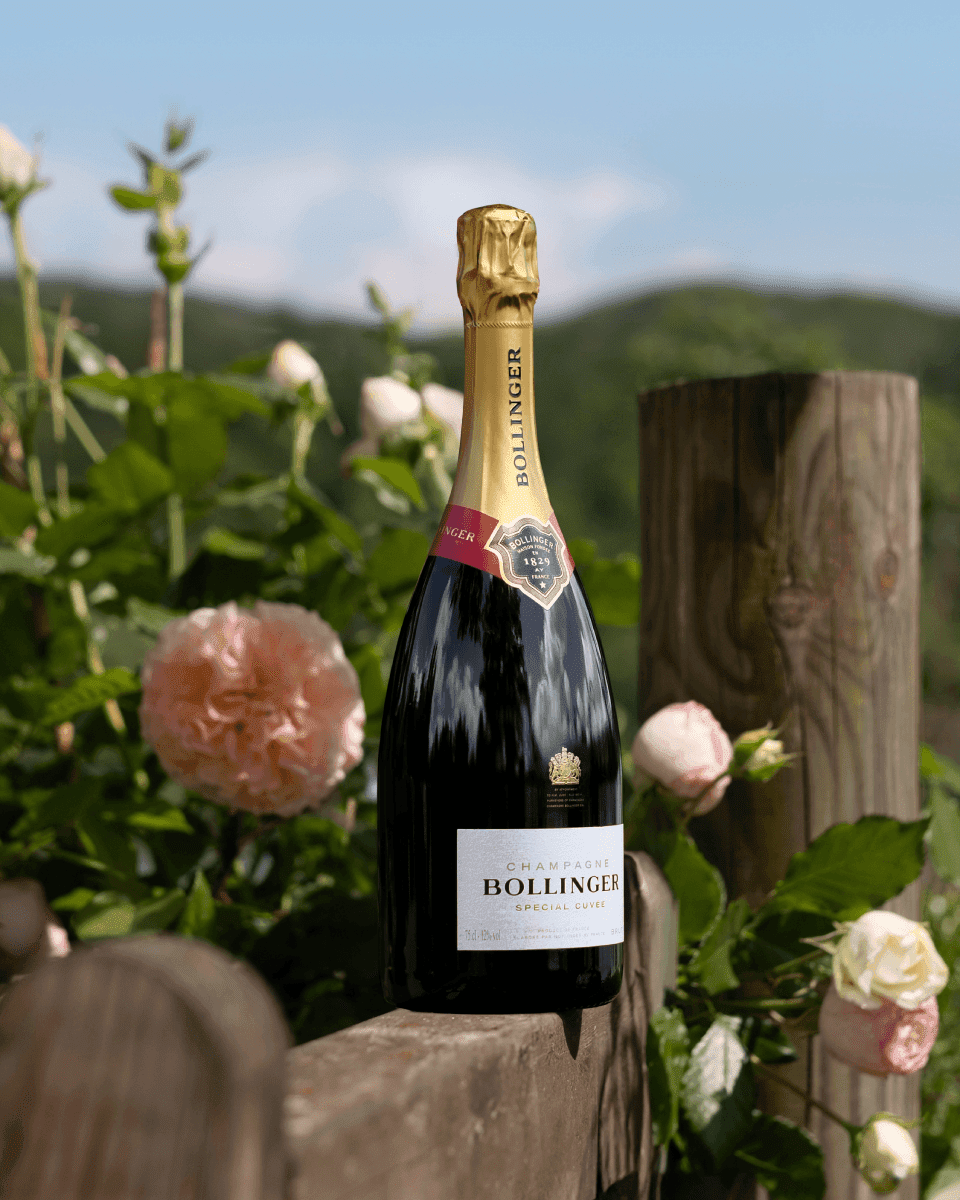
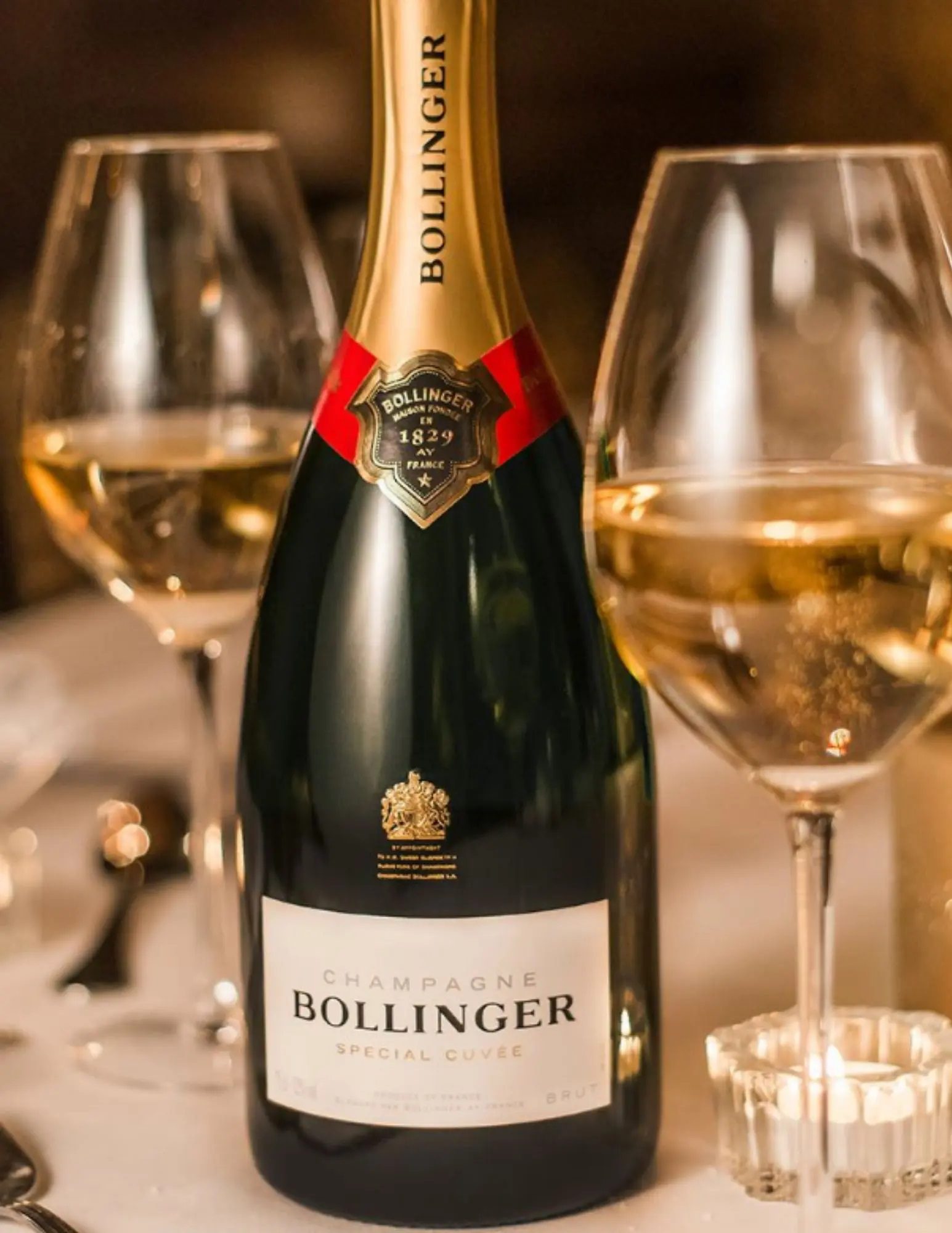
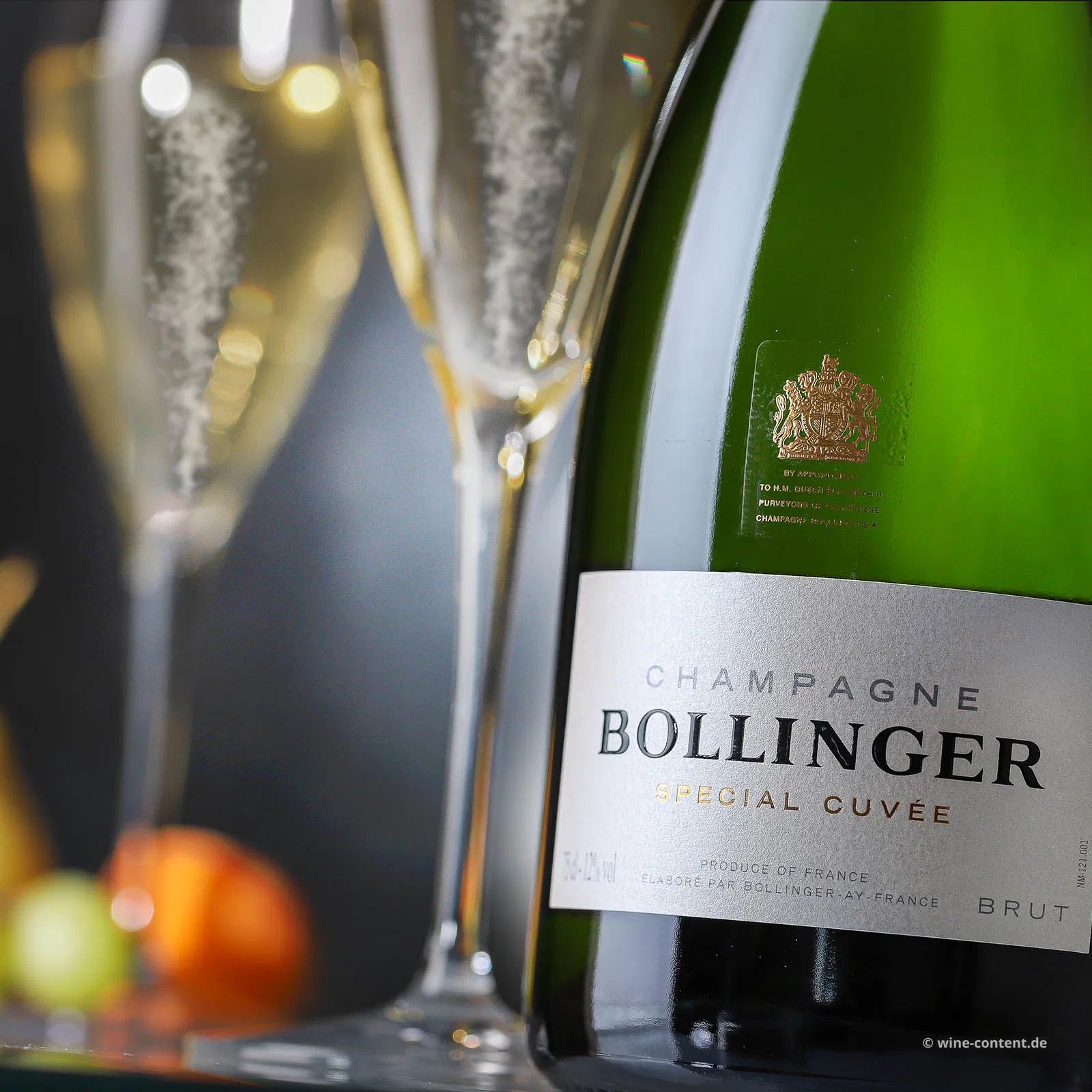
Bollinger Special Cuvée (NM)
Entering the world of Bollinger while staying under the €60 threshold is a privilege. The Special Cuvée is the stylistic antithesis of Taittinger: dominated by Pinot Noir (60%), it is a “dark,” vinous, powerful, and structured Champagne. It is an icon of power and richness.
The aromatic profile is complex and mature, with notes of yellow fruit, sweet spices, and a distinct toastiness derived from the use of wood and prolonged aging. The palate is enveloping, structured, with a creamy bubble and a long, savory finish.
Priced between €54 and €60, it is the entry ticket to one of the most recognizable and gastronomic styles in all of Champagne.
Pairings: This Champagne demands food. It is ideal with roasted white meats, porcini mushrooms, or a platter of aged cheeses.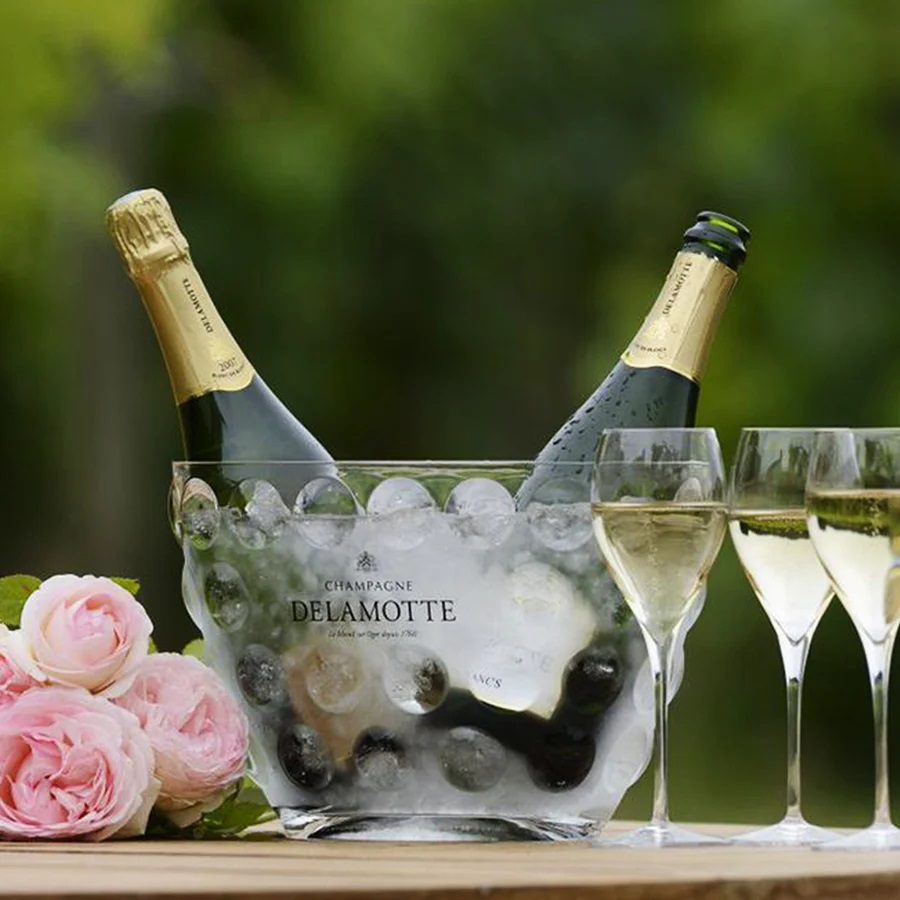
Delamotte Brut NV (NM)
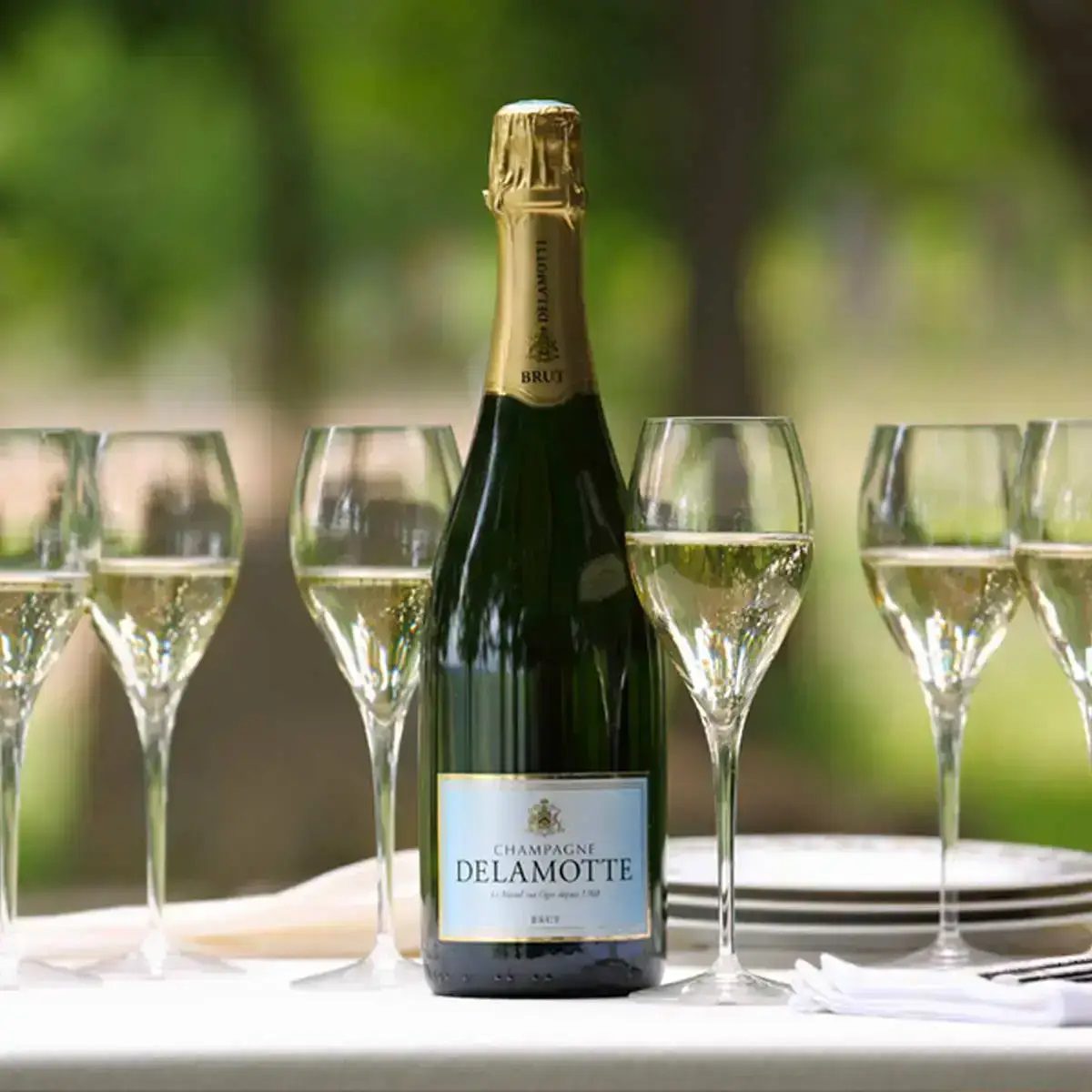
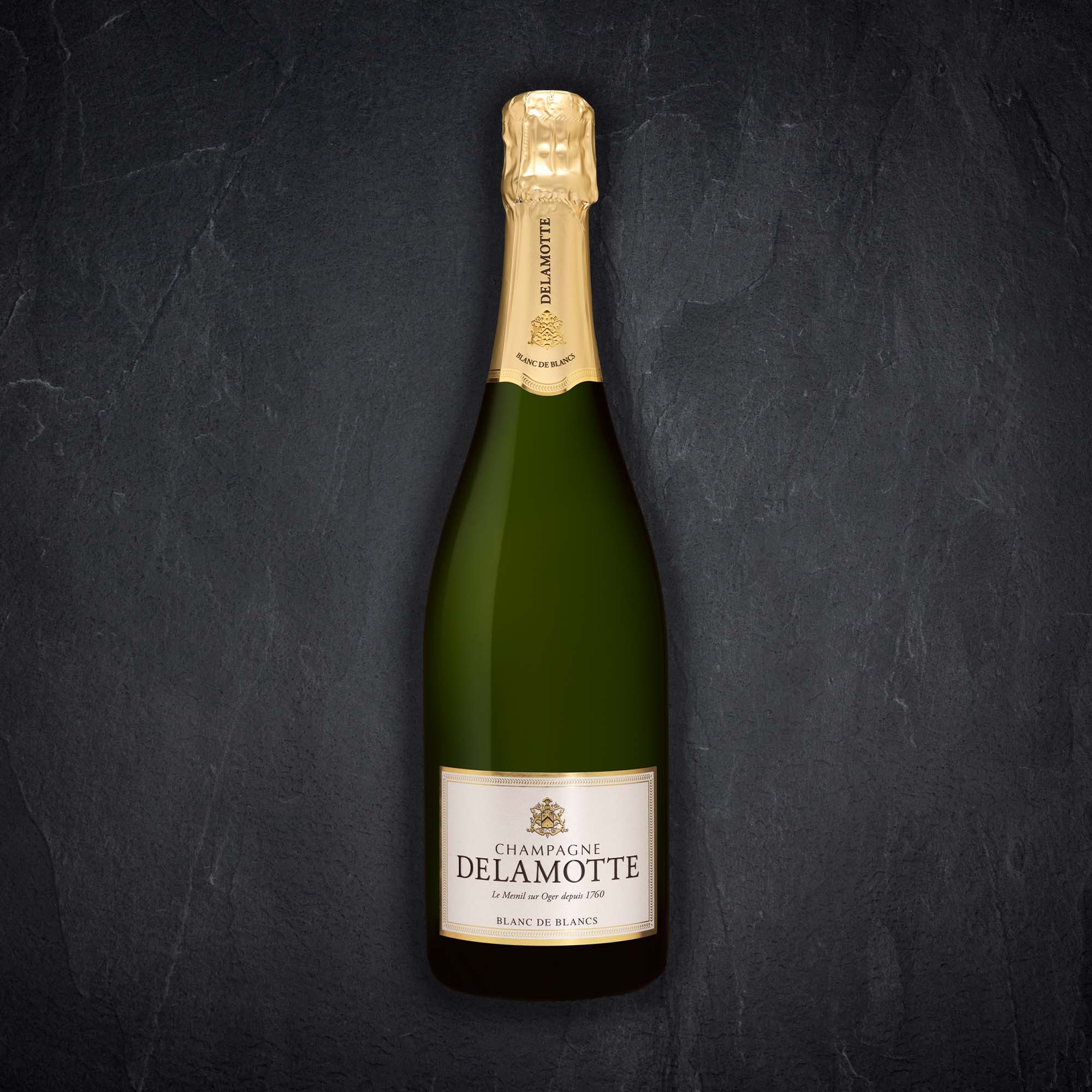
The little sister of the legendary Maison Salon, with which it shares its headquarters in Le Mesnil-sur-Oger, philosophy, and elegance. The soul of Delamotte (NM) is Chardonnay (about 55% of the blend). It expresses an elegance worthy of far more esteemed Maisons at a fraction of the price.
An elegant profile, dominated by notes of citrus, white flowers (acacia), and a very distinctive chalky minerality, typical of the Côte des Blancs.
With online prices starting from €36-€40 and going up to €55, it is perhaps the absolute best value-for-money among the classic Maisons.
Pairings: A superior-class apéritif. Its elegance makes it perfect with raw fish (crudo) or fruit-based desserts.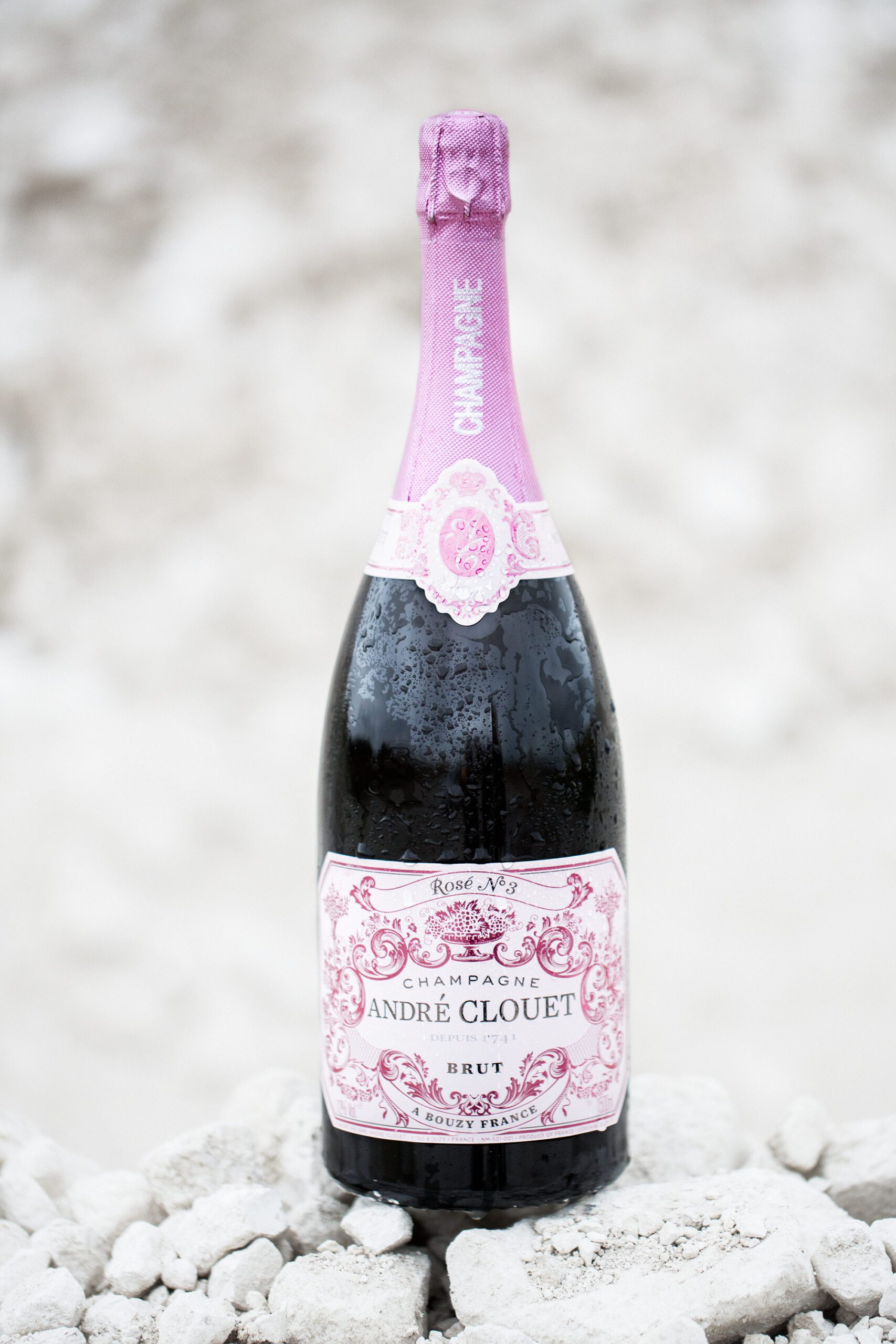
The Rosés – Beyond the Apéritif
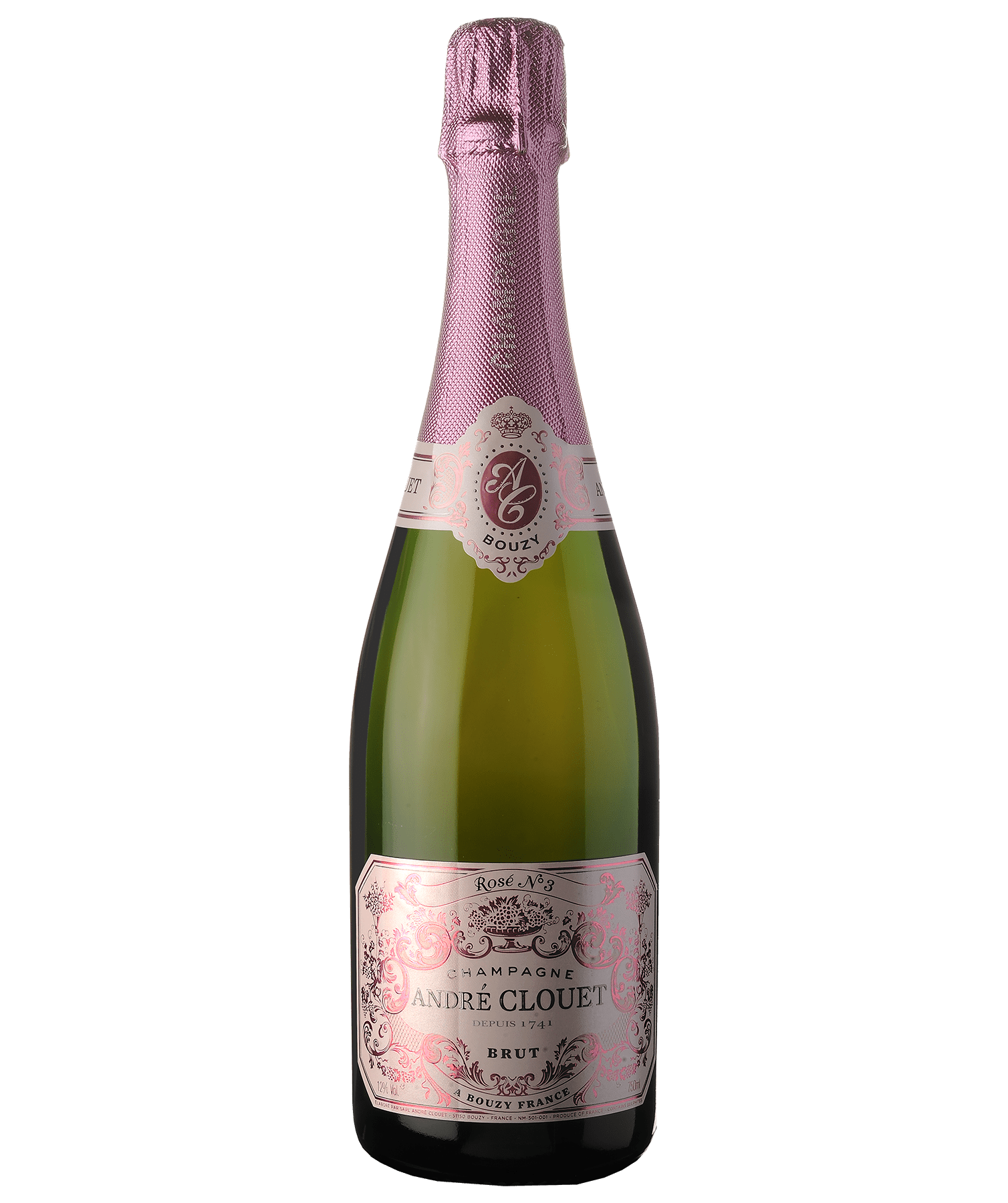
André Clouet Brut Rosé Grand Cru (RM)
Here we enter the excellence of the Vignerons. André Clouet, based in Bouzy, produces this Rosé from 100% Pinot Noir grapes from Grand Cru vineyards. Bouzy is renowned for the power of its Pinot Noirs. This is not a rosé de saignée, but a skillful assemblage with about 8% still red wine (the legendary Bouzy Rouge), which imparts color, structure, and depth.
A seductive nose of wild strawberry, raspberry, and cherry. Floral notes then emerge, along with a salty, almost iodized touch that is the Maison’s hallmark. The palate is rich, explosive with red fruits and spices, and great complexity.
At around €55-€60, this RM presents a Grand Cru level of complexity that the Maisons rarely offer at this price.
Pairings: This is a gastronomic Rosé for a full meal. Ideal with sushi, flavorful fish, but also white meats and soft cheeses.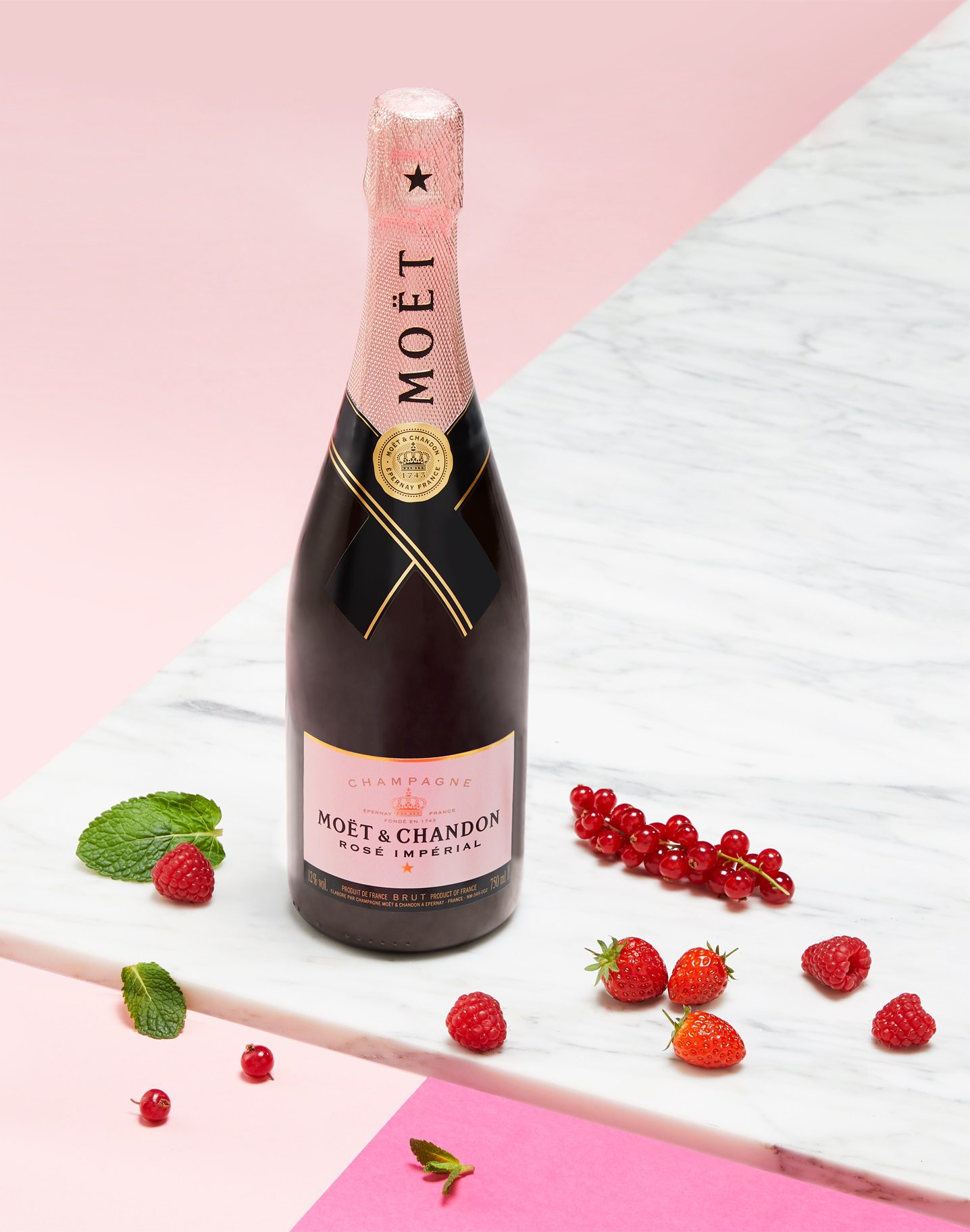
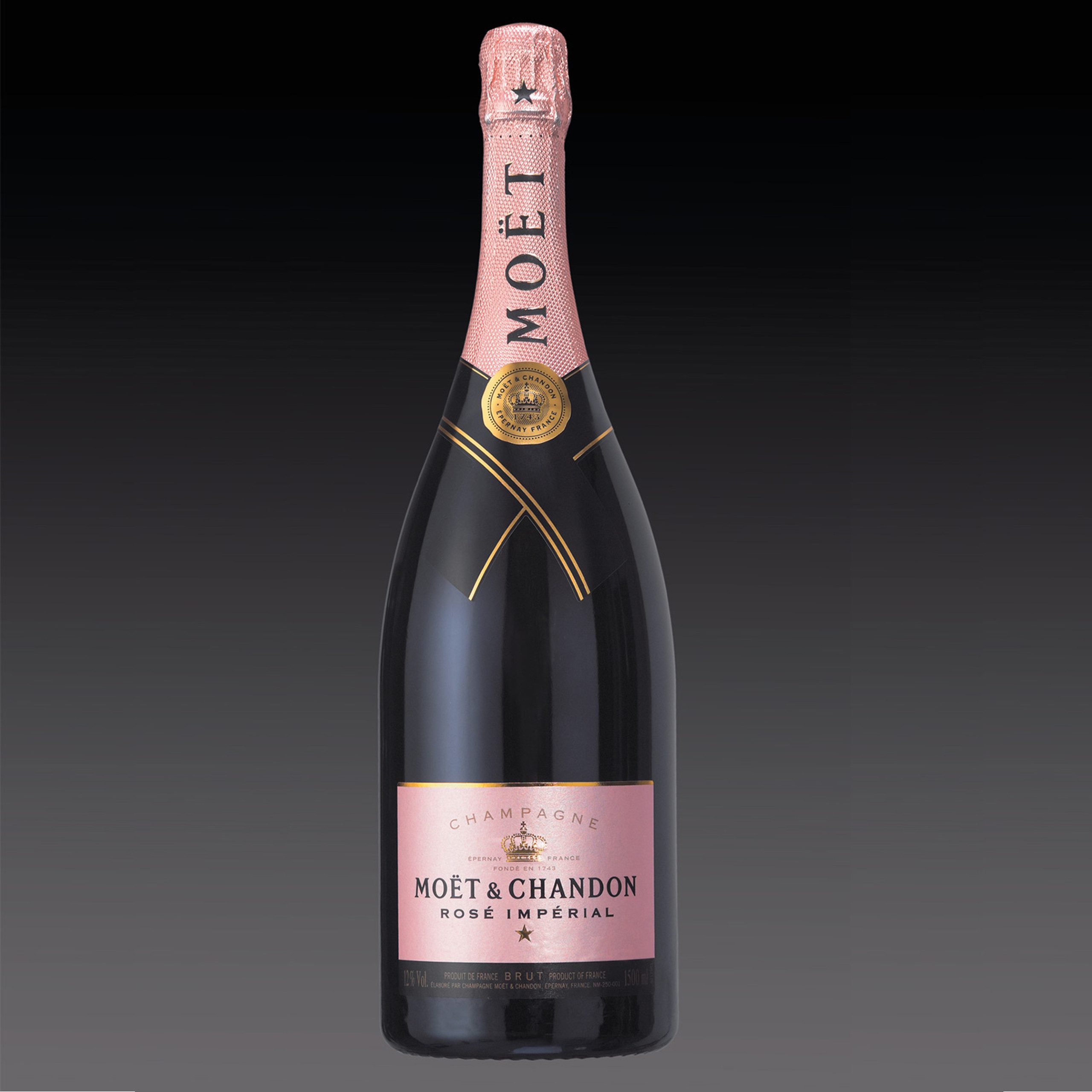
Moët & Chandon Rosé Impérial (NM)
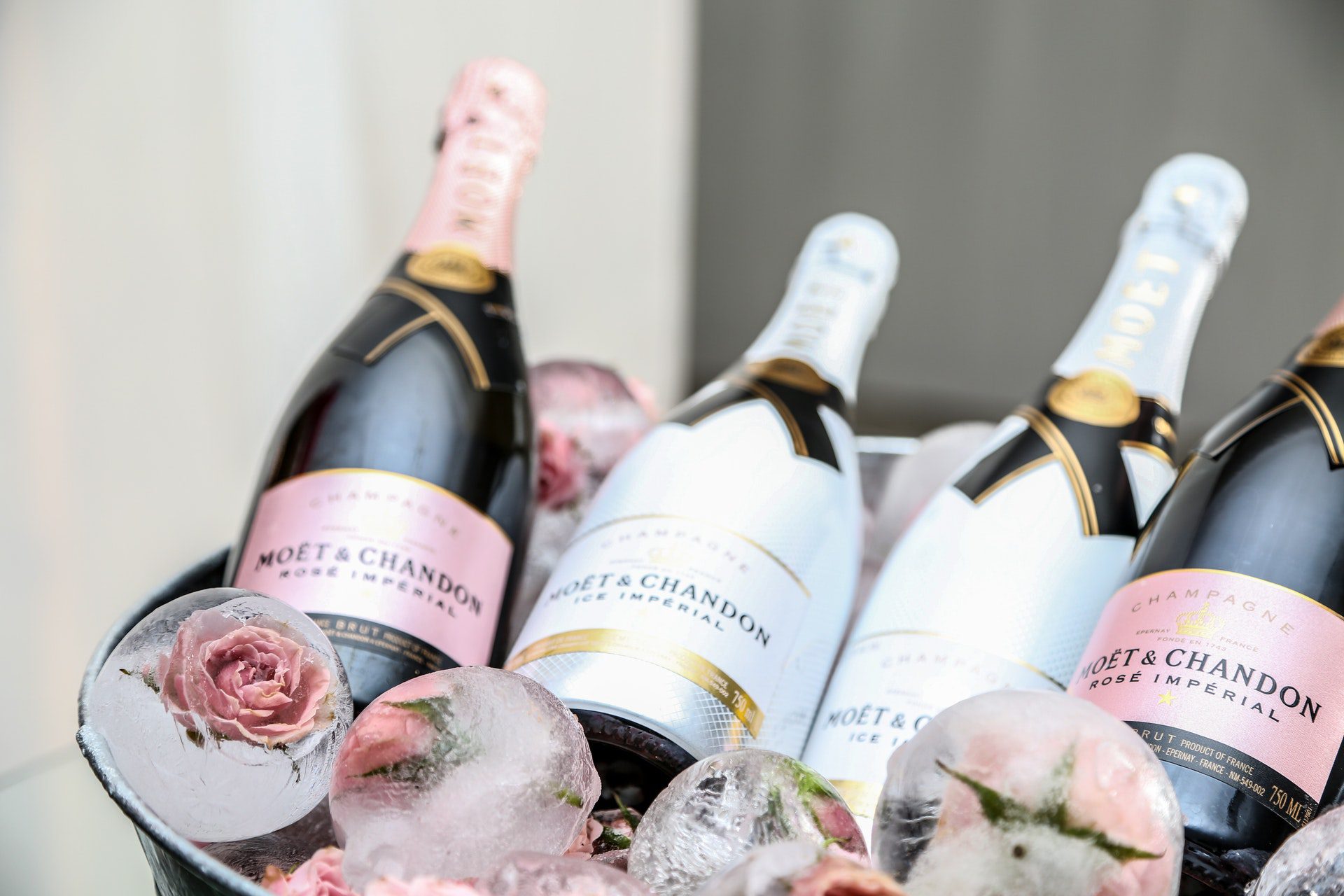
If Clouet is the Vigneron’s Rosé, this is the Rosé from the most celebrated Maison. It is a safe, consistent, and high-quality choice. Built on the intensity of Pinot Noir (40-50%) and the roundness of Meunier (30-40%), it is the perfect luxury crowd-pleaser.
Bright pink color with coppery reflections. The nose is expressive, dominated by fresh red fruit notes like wild strawberry, raspberry, and currant, with floral nuances of rose. The palate is fruity, lively, with a soft structure and a fresh finish.
Stably positioned between €53 and €59. You pay for the brand, but the quality is consistent and indisputable, making it perfect for a celebration or a gift.
Pairings: Excellent as an apéritif, but its structure allows it to hold up well against light risottos or white meats.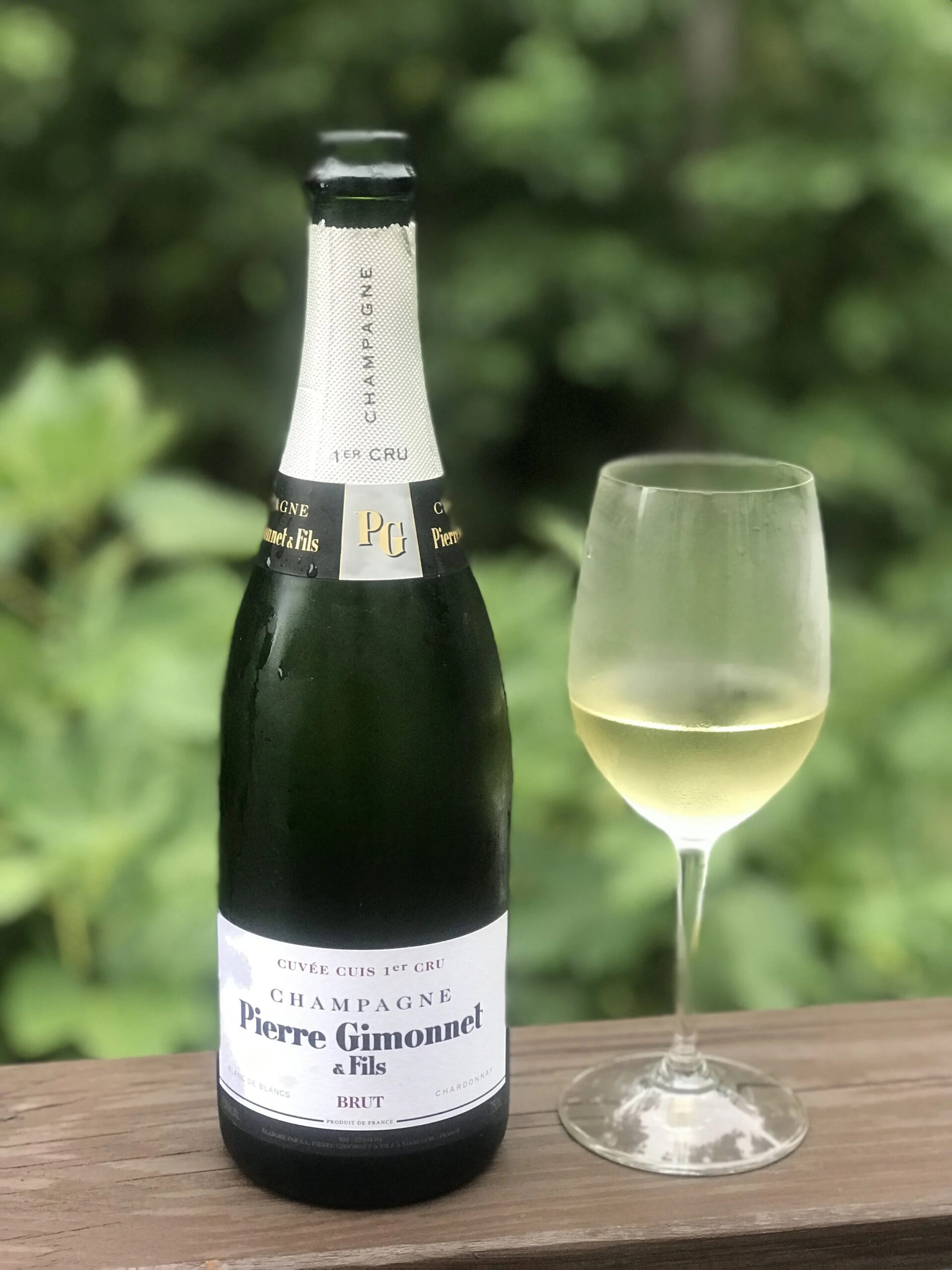
The Avant-Garde – Terroir-driven RM and Cooperatives
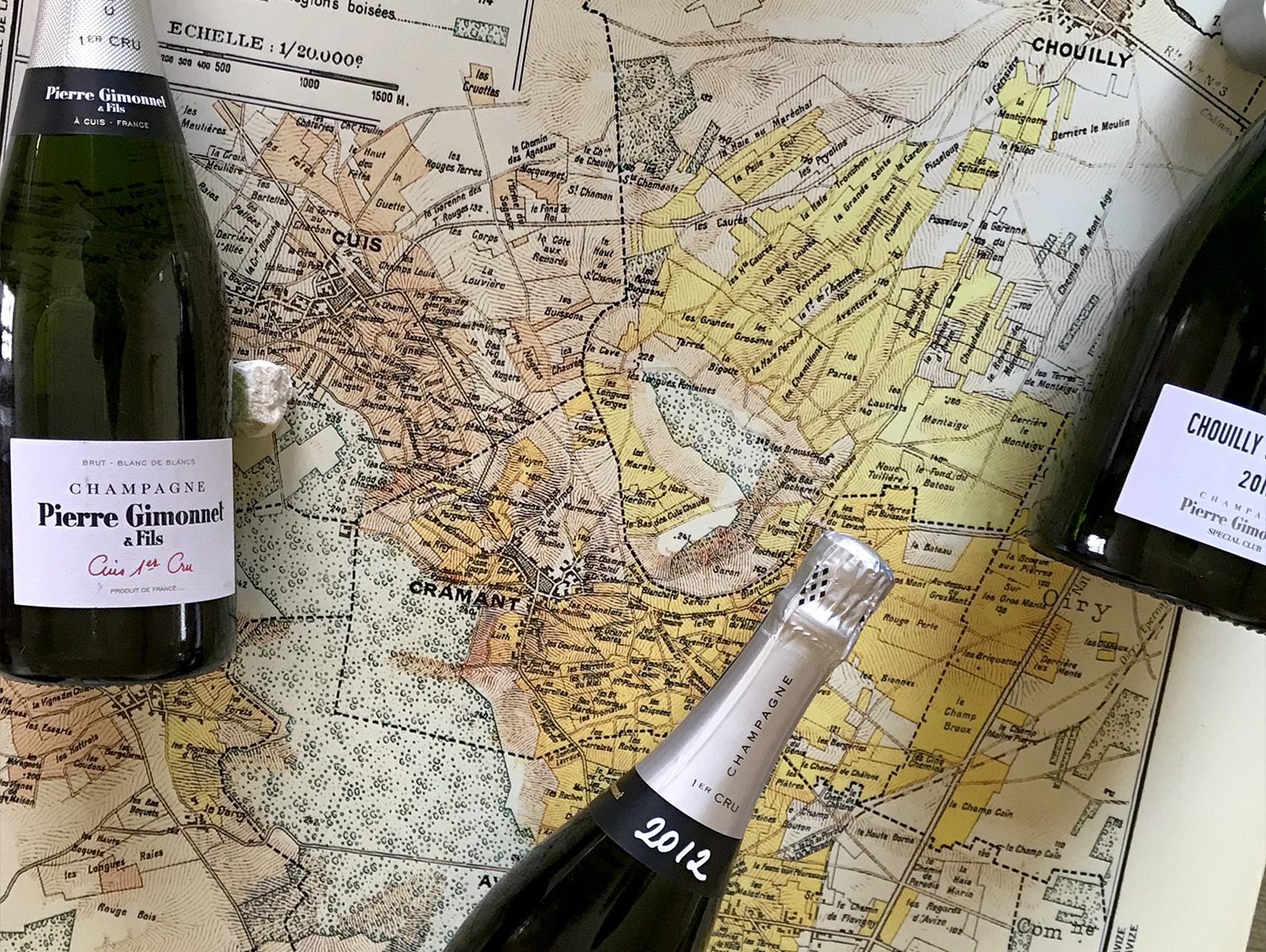
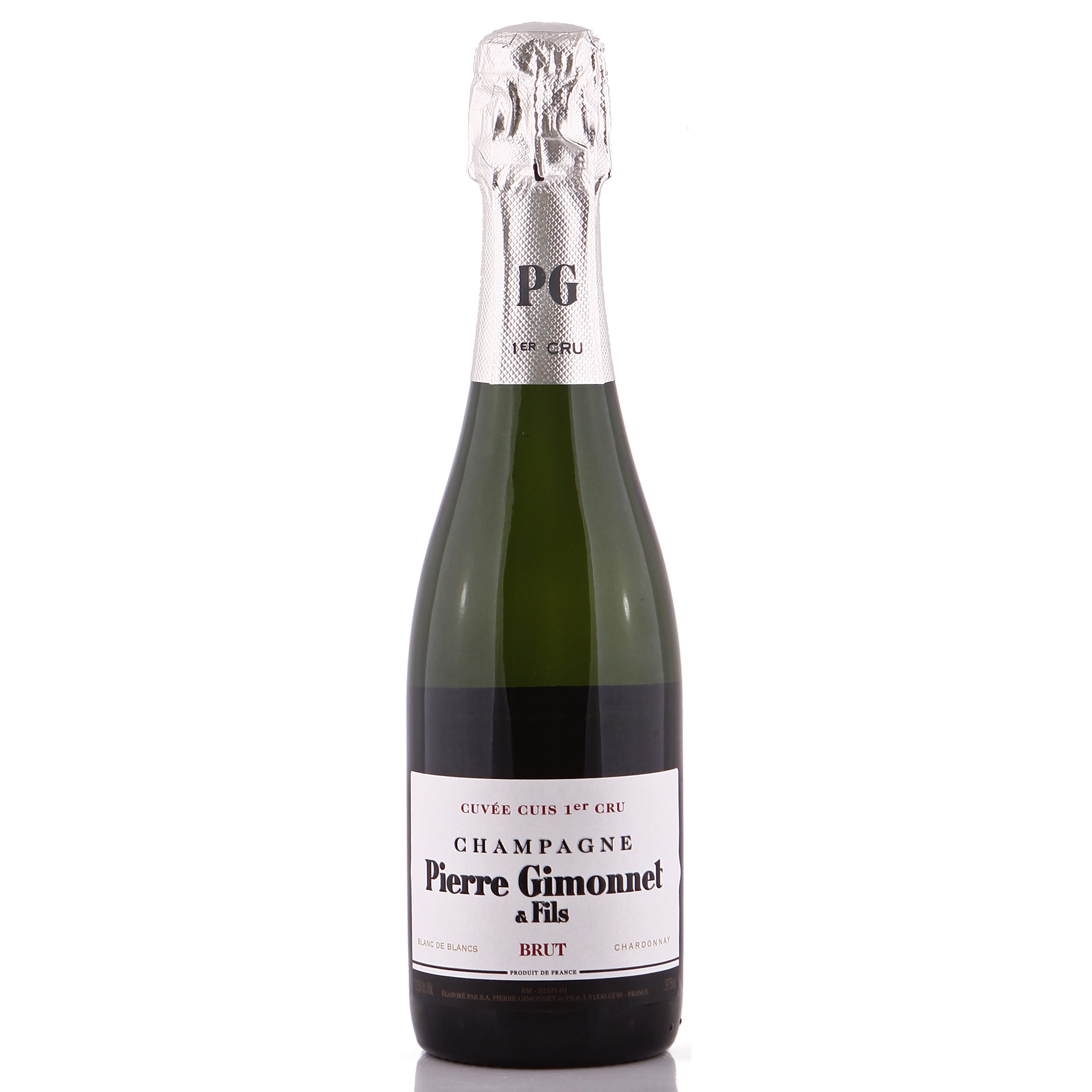
Pierre Gimonnet & Fils ‘Cuis’ 1er Cru Blanc de Blancs (RM)
An absolute benchmark among the Vignerons (RM) of the Côte des Blancs. Gimonnet is synonymous with Chardonnay. This cuvée, 100% Chardonnay from the Premier Cru terroir of Cuis, is the essence of verticality and chalky minerality. It is a taut, vibrant Champagne of surgical precision, embodying the Italian trend for “vertical” wines.
A pure and floral nose, with notes of lemon zest, green apple, and wet chalk. The palate is “racing” and energetic, dominated by a sharp minerality and notes of citrus, brioche, and an almost saline finish. A true bargain.
At around €47-€55, it delivers the complexity of a terroir-driven Blanc de Blancs at the price of a generic NV.
Pairings: This is an intellectual Champagne. Perfect on its own to appreciate its purity, or with bold pairings that enhance its sapidity, like Parmigiano Reggiano or simply bread, salted butter, and anchovies.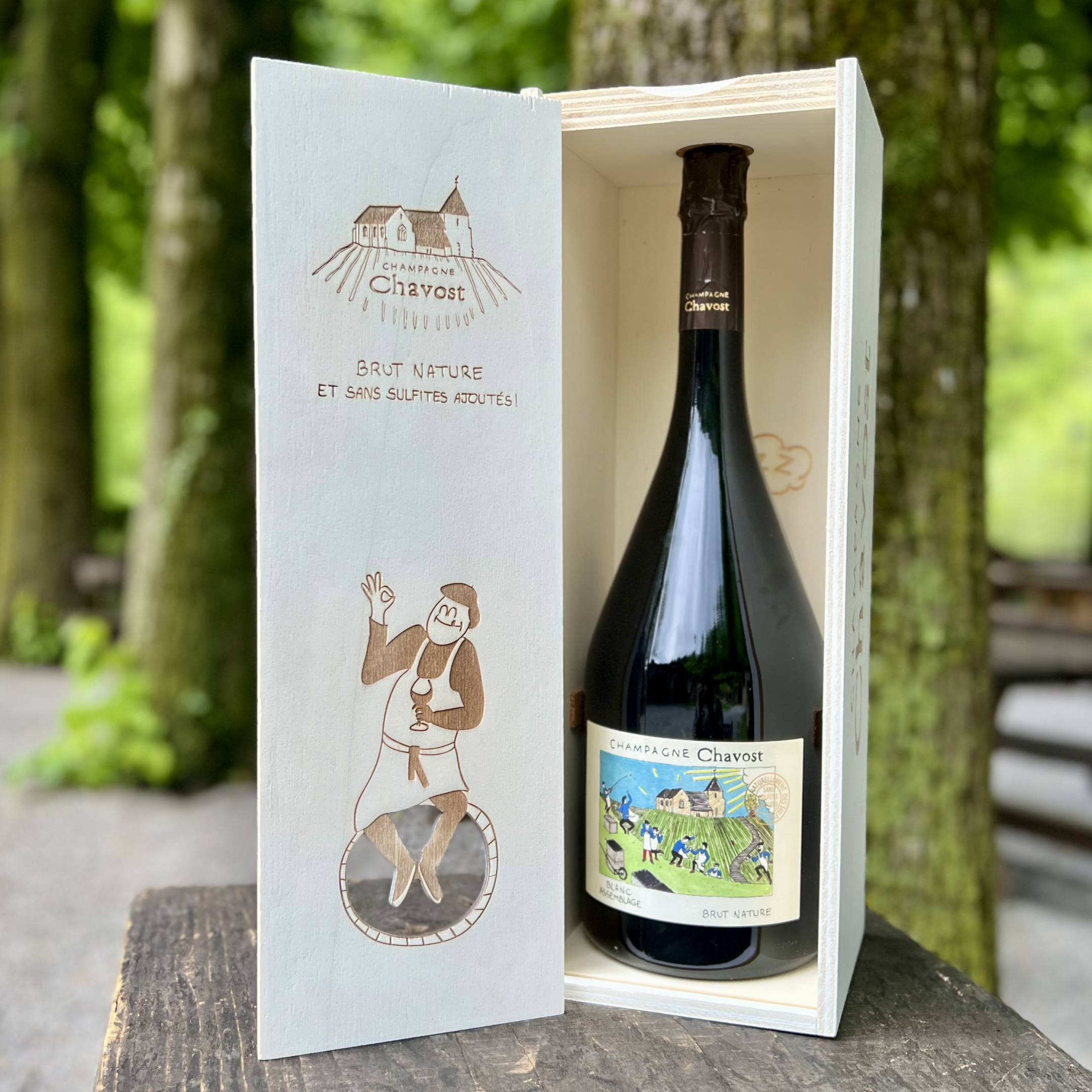
Chavost Blanc d’Assemblage Brut Nature (CM)
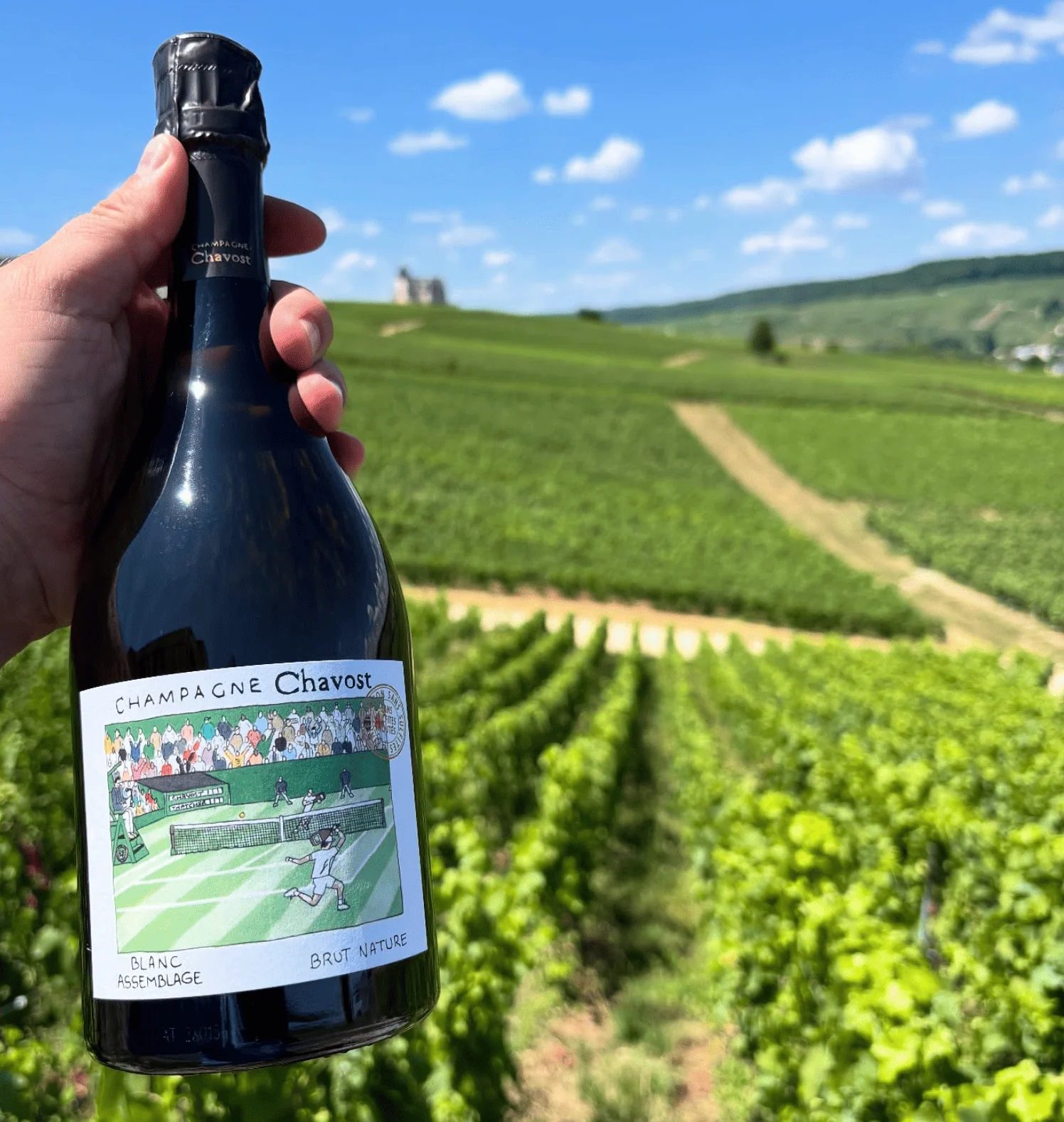
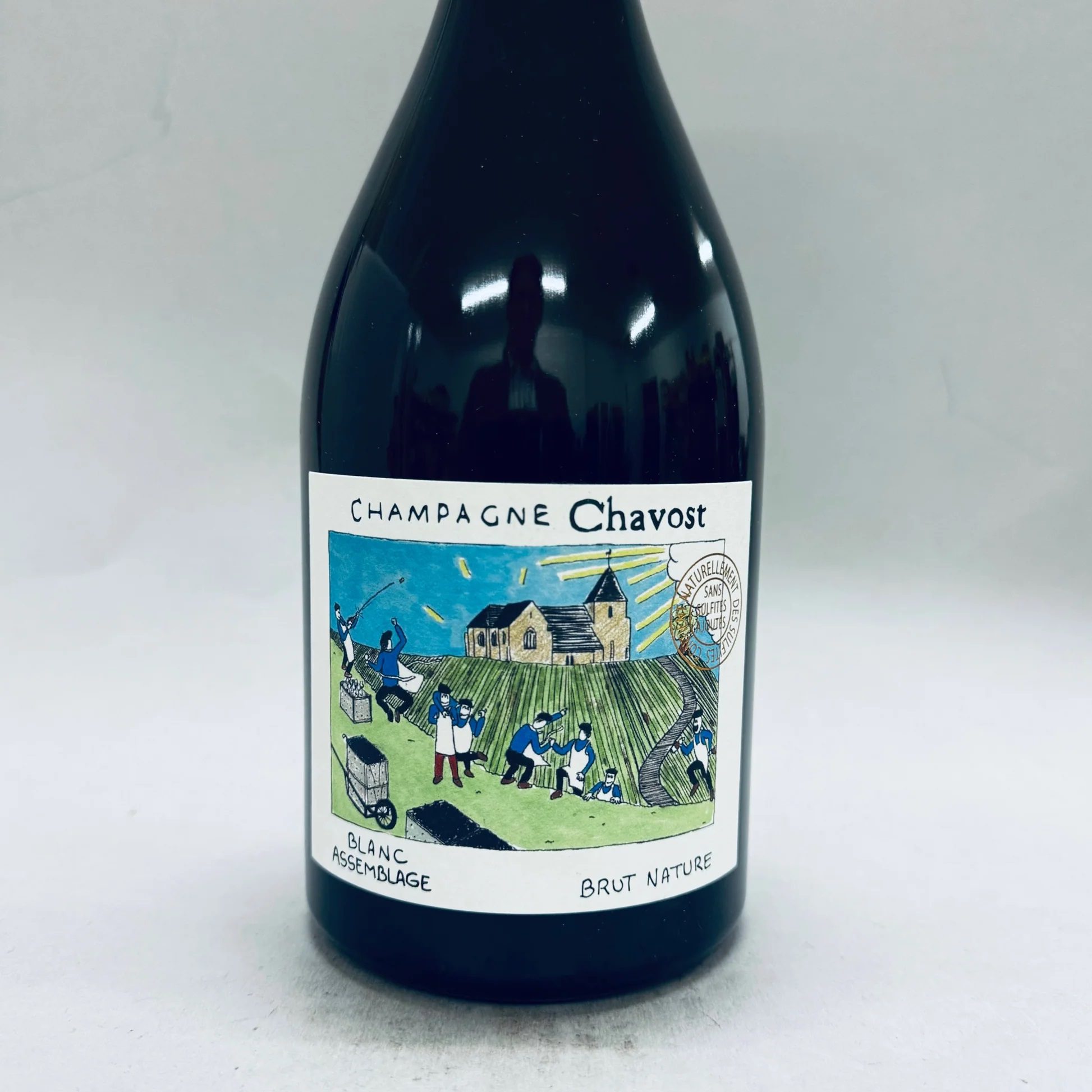
The most modern and trendy label in the selection. Produced by the Chavost cooperative (CM), this cuvée with no added sulfites represents a natural and non-interventionist approach. It is a Brut Nature (zero dosage), a perfect answer to the demand for “naked” and authentic wines. An almost equal blend of 47% Chardonnay and 47% Meunier, with 6% Pinot Noir. Brut Nature (0 g/l). Vinified without added sulfites and with spontaneous fermentation from indigenous yeasts.
The nose is fresh, with notes of green apple, fresh citrus, red fruits, and white flowers, with hints of almond and toast. The palate is balanced, clean, and flowing, with a pleasant softness that balances the absence of dosage.
At €45-€55, it is the choice for the curious consumer, the natural wine enthusiast looking for purity and great drinkability.
Pairings: Its nature and acidity make it a gastronomic wildcard: from fried foods to roasted white meats, to blue or washed-rind cheeses.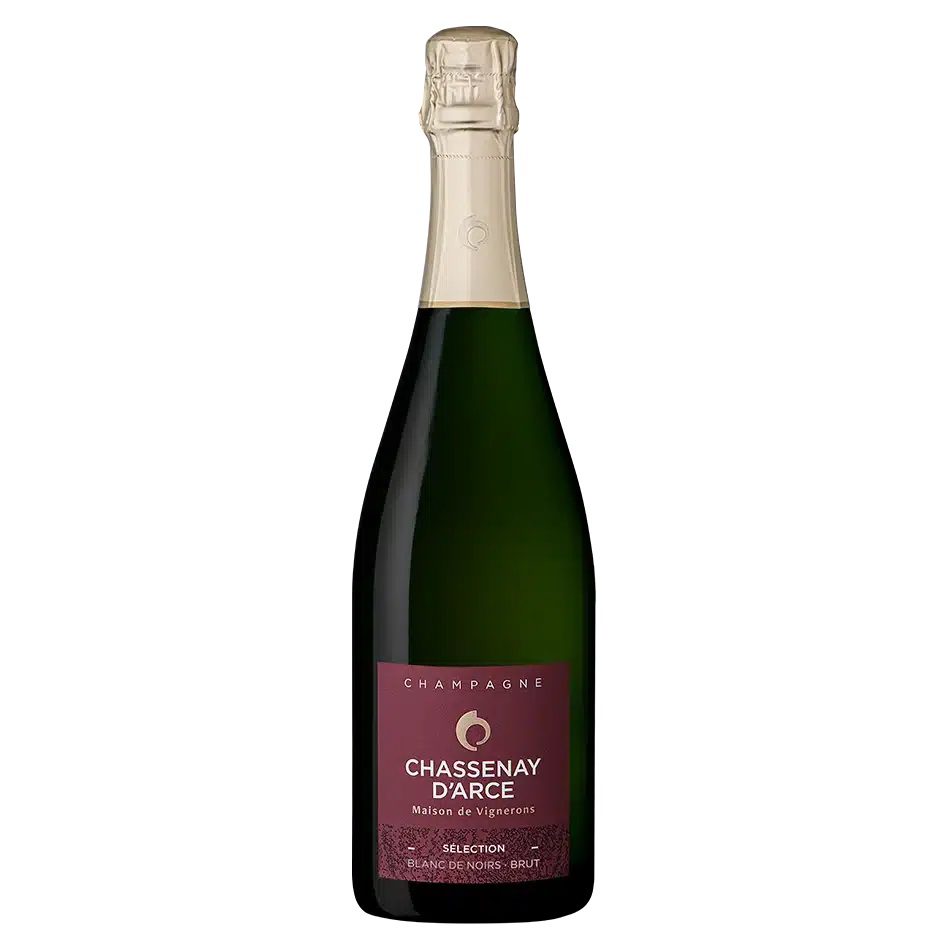
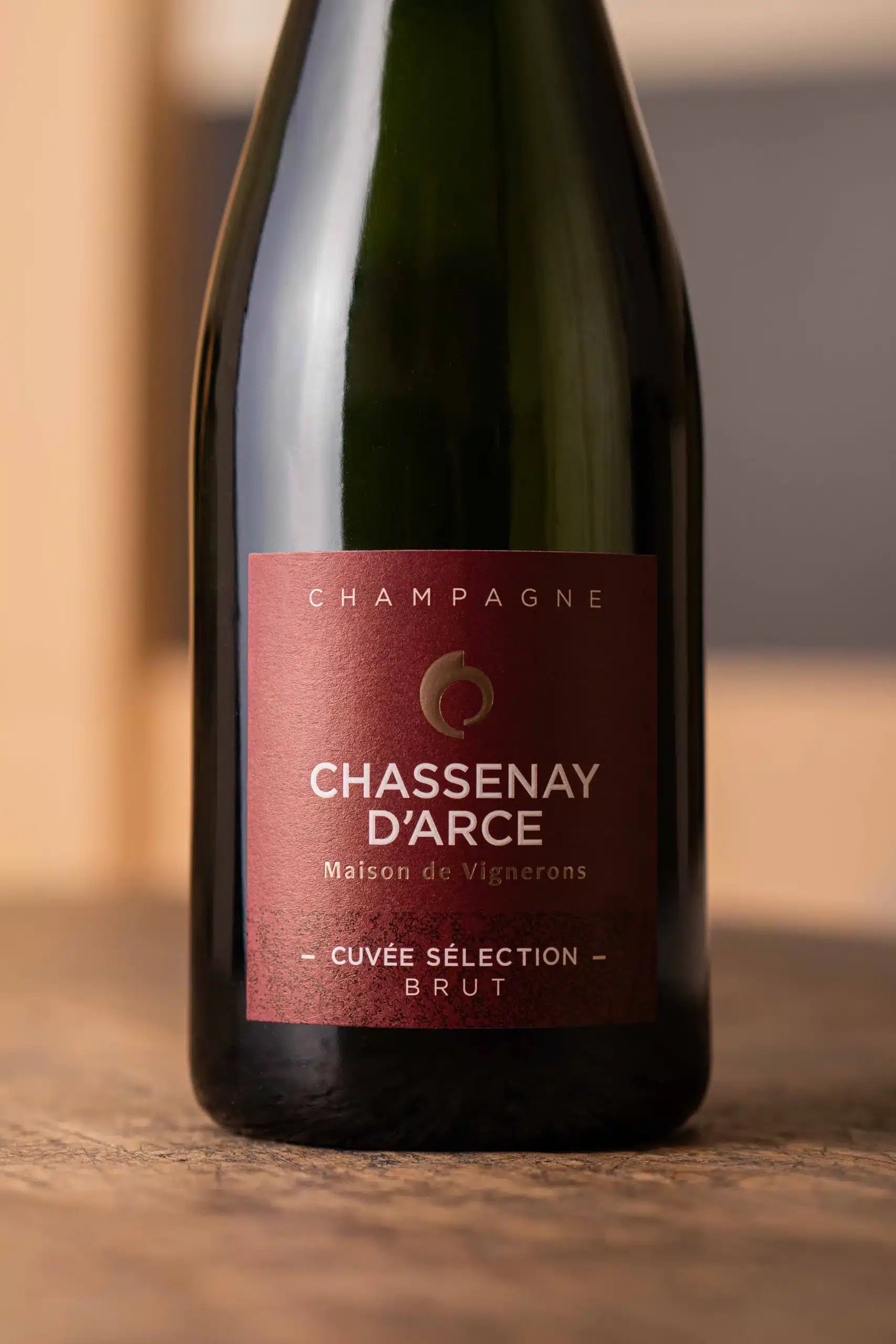
Chassenay d’Arce Blanc de Noirs 2018 (CM)
A superb and almost unknown expression from the Côte des Bar, the southernmost area of Champagne and the kingdom of Pinot Noir. This cooperative (CM) unveils an 2018 vintage (an excellent year) at a stunning price. It is a powerful and generous Blanc de Noirs (100% Pinot Noir).
A rich and powerful nose, with aromas of yellow fruit (Mirabelle plum) and notes almost of brandy or fruit preserved in spirit. The palate is complex and structured, with notes of red fruit, bread crust, and yeast.
The price is its best weapon. Available for as low as €34-€45, it is one of the absolute best value-for-money vintages on the market today.
Pairings: Its power requires a pairing. It is perfect for a substantial evening apéritif or a platter of medium-aged cheeses.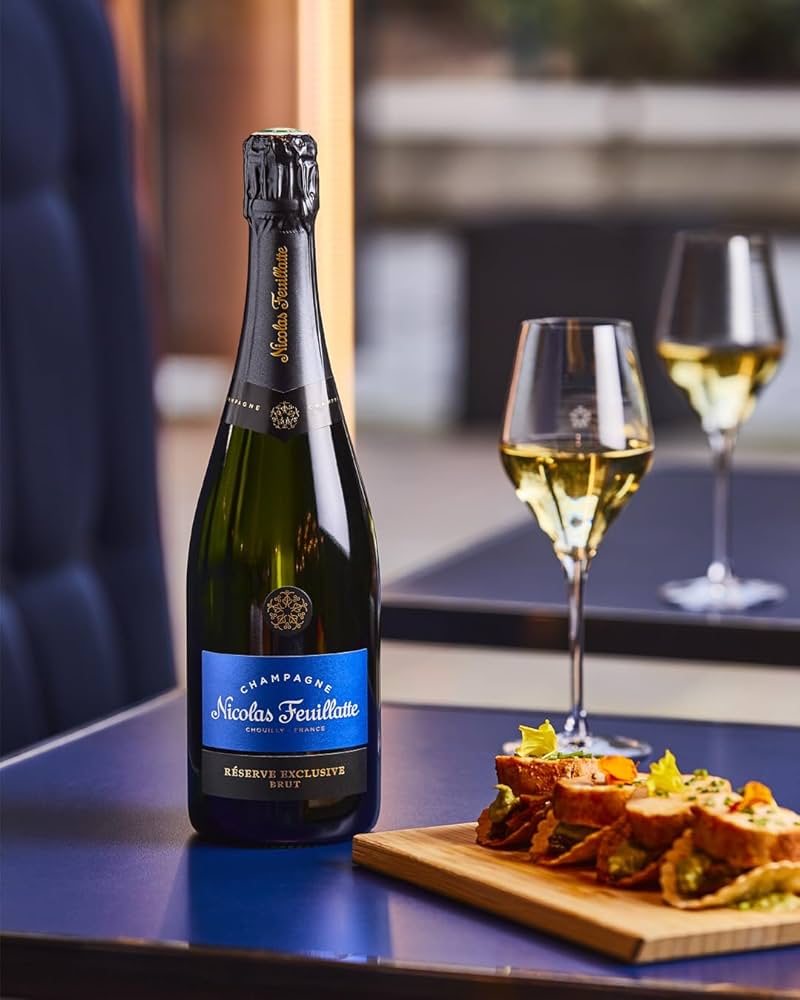
Nicolas Feuillatte Réserve Exclusive Brut (CM)
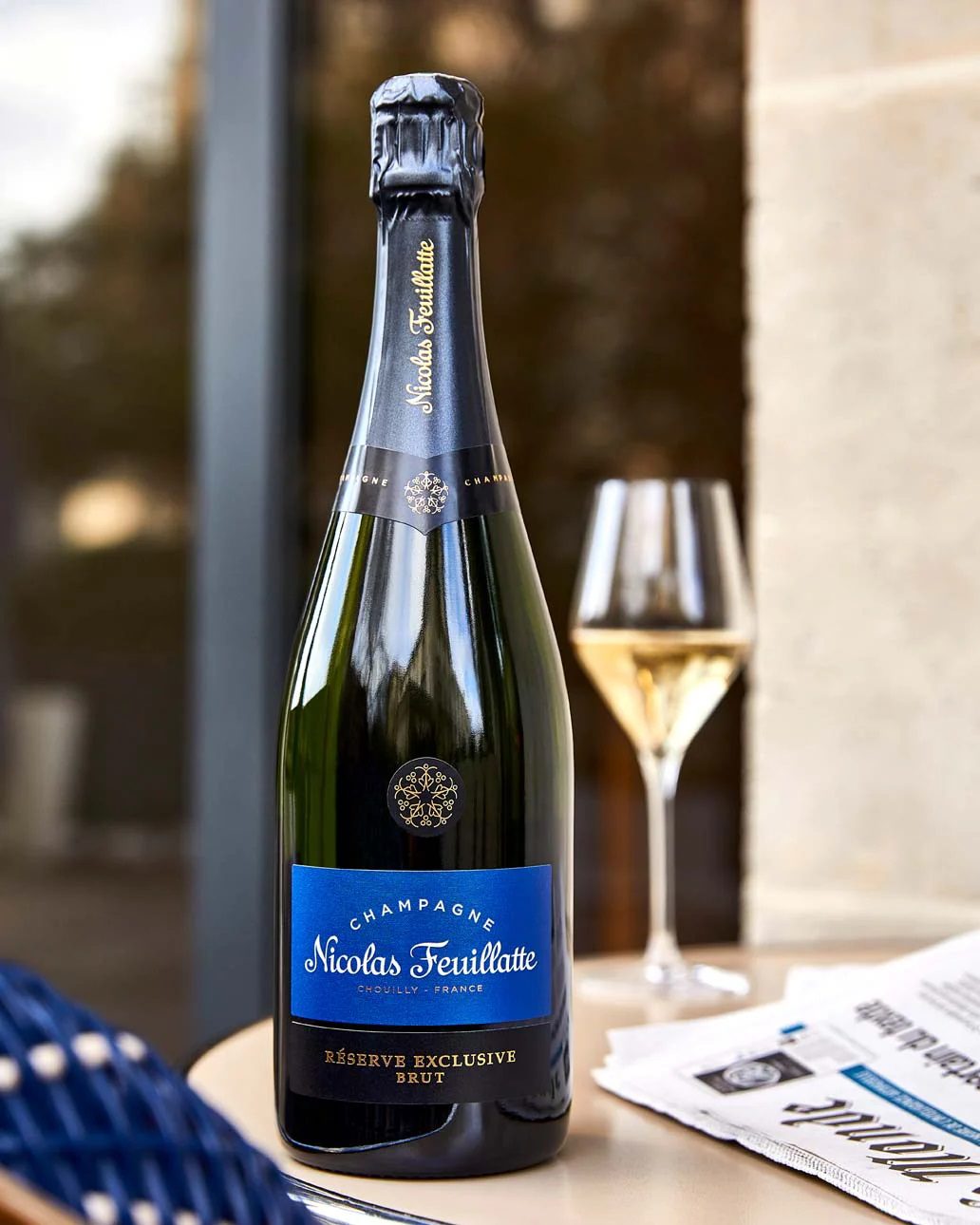
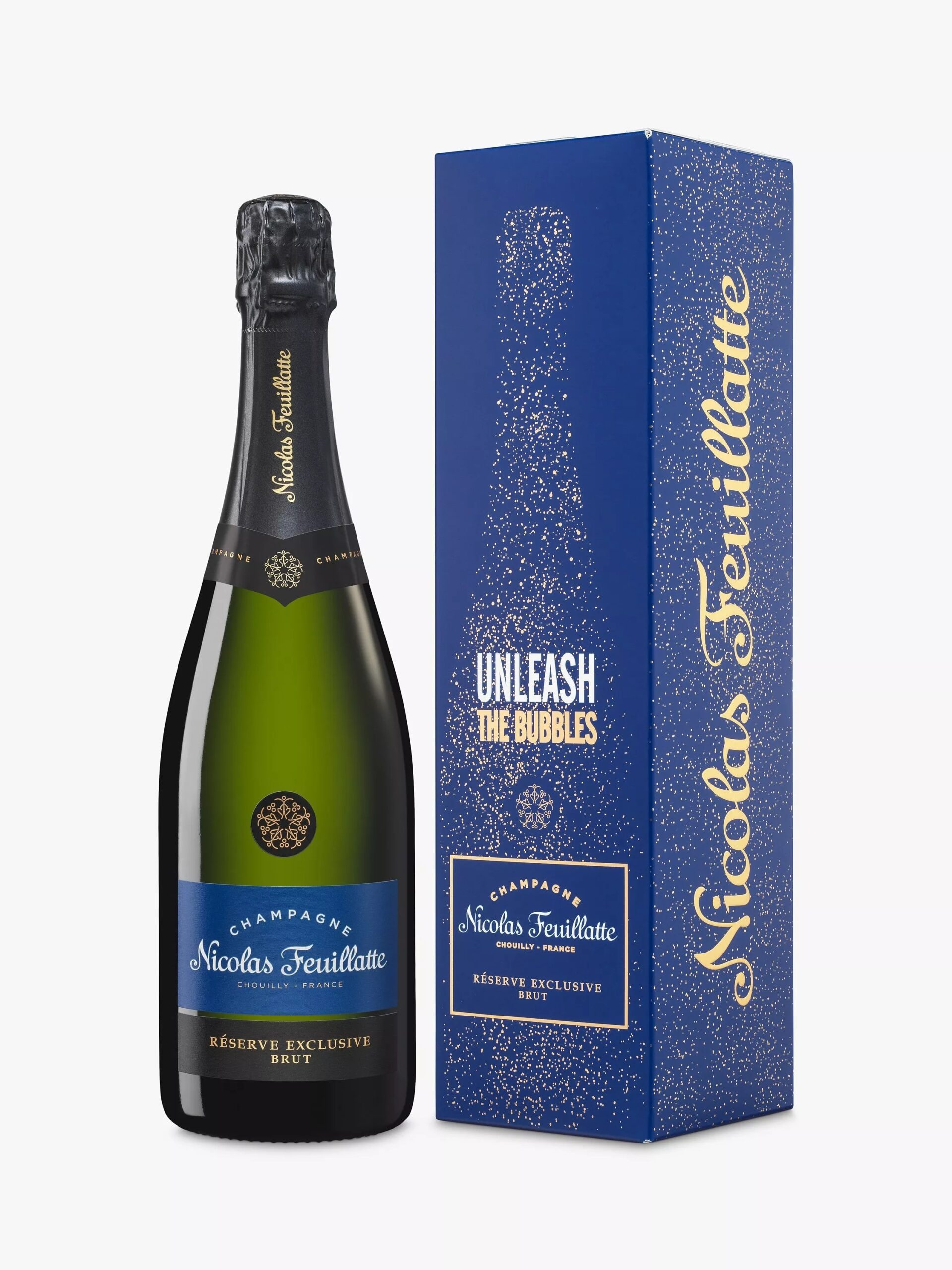
Represents the largest union of cooperatives (CM) in Champagne. It is the smart choice for the general public, guaranteeing consistent quality and an accessible aromatic profile, often beating many Maisons on their own turf in terms of value-for-money. A classic and well-balanced assemblage of 40% Pinot Noir, 40% Meunier, and 20% Chardonnay.
An aromatic profile centered on white fruit: fresh pear, apple, with notes of almond and hazelnut. The palate is soft, balanced, with delicate bubbles and a return of pear and apricot.
Around €40-€45, it is the value alternative to the more famous Maisons for events, with certified quality, rated 91 points by Wine Spectator.
Pairings: Extremely versatile, from an apéritif to fish dishes like Breton lobster or sole with porcini mushrooms.