From the Salone del Mobile to Maison & Objet, the trends of 2025 define new convivial rituals and inspire this year’s Christmas gifts. A journey in ten stages through material minimalism, digital heritage, and cultured maximalism: the iconic gifts that are redesigning the mise en place.
The table of 2025 is no longer a neutral stage for food, but a design project in itself. It has transformed into a landscape to be inhabited, a complex topography that reflects and absorbs the cultural polarities of our time. It is the physical and symbolic place where we celebrate a return to refined conviviality, but with an unprecedented design awareness.
Major international fairs—from the Salone del Mobile in Milan to Maison & Objet in Paris, through to the material explorations of Cersaie—have traced the coordinates of a desire moving along two apparently opposing lines: on one hand, a visceral need for material authenticity; on the other, the joyful and cultured return of decor.
The fil rouge uniting these forces is the search for a synthesis between elegance and responsibility. This pairing, once considered an oxymoron in the luxury world, is today the central design criterion. Sustainability is no longer a marketing add-on, but an intrinsic value that informs aesthetics. It manifests in minimalism through the rigorous selection of natural materials and, more radically, in the New Craft through creative reuse and the valorization of ancient knowledge.
Three macro-trends outline the universe of tableware for 2025. Here are the iconic gifts that interpret them.
Material Minimalism
The year 2025 marks the definitive evolution of minimalism, which abandons any residue of frigid coldness to embrace tactile comfort. It is no longer a design of subtraction, but of selection. It is an aesthetic focused on materials that evoke a primordial connection with nature. The dominant color palettes are earthy, warm, and enveloping. The undisputed protagonist is Olive Green, a shade that recalls woodland landscapes and infuses serenity, flanked by Terracotta, Ochre, Dark Brown, and Sand.
Materially, this trend translates into a preference for matte, chalky, or deliberately raw finishes that exalt the nature of the substance. We are witnessing the dominance of natural fabrics like stone-washed linen and coarse-weave cotton, the return of deep, dark woods, and the rise of ceramics that proudly display their material essence.
The most cultured and philosophical expression of this minimalism is found in the acceptance of irregularity, in a Wabi-Sabi aesthetic that permeates high-end collections. The success of projects like Perfect Imperfection by Serax is symptomatic: we choose to value imperfection, defect, and coincidence as a new, authentic form of luxury.
Joyful Maximalism
As a reaction and counterpoint to material rigor, a maximalist macro-trend asserts itself, defined by an explosion of vivid hues and decorative motifs. It is fundamental, however, to distinguish this approach from chaotic accumulation. The maximalism of 2025 is personal, authentic, and layered.
The key concept is that of the “Deconstructed Table.” The art of setting the table becomes an act of personal curation, mixing iconic pieces, bold colors, mismatched services, and primordial symbols like hearts, flowers, and fruits that become decorative messages. Brands like Bitossi Home and the historic Ginori 1735 manufactory are the protagonists of this approach. Their new collections invite infinite combinations, breaking the rigidity of the full service to reflect the host’s individuality. It is an intellectual opulence, a hedonism that draws on the history of design to create new languages.
The New Craft
The third and perhaps most significant trend is the one acting as a synthesis between the first two. The central theme of SaloneSatellite 2025, New Craft, perfectly captures this spirit. It is not a nostalgic operation of recovering the past, but a journey between past and future, technology and craftsmanship.
The vision of Paola Antonelli, president of the SaloneSatellite Award jury, is illuminating: craftsmanship, she emphasized, is “essential for progress” even in the age of Artificial Intelligence and 3D printing. The artisanal act embodies an “ancient wisdom about nature and sustainability,” imparting precious lessons for the future.
This trend unites the tactility, authenticity, and sustainability dear to material minimalism with the uniqueness, customization, and value of the unique piece sought by maximalism. It is in this hybrid territory that we find the most significant innovations: from 3D printed ceramics to organic materials treated with ancient techniques and industrial waste. It is heritage becoming high-tech, and vice versa.
Our guide to the ten iconic gifts for Christmas 2025 is a journey traversing these three great geographies of design. Each object has been selected not only for its formal beauty but for its ability to tell a story and embody a design vision.
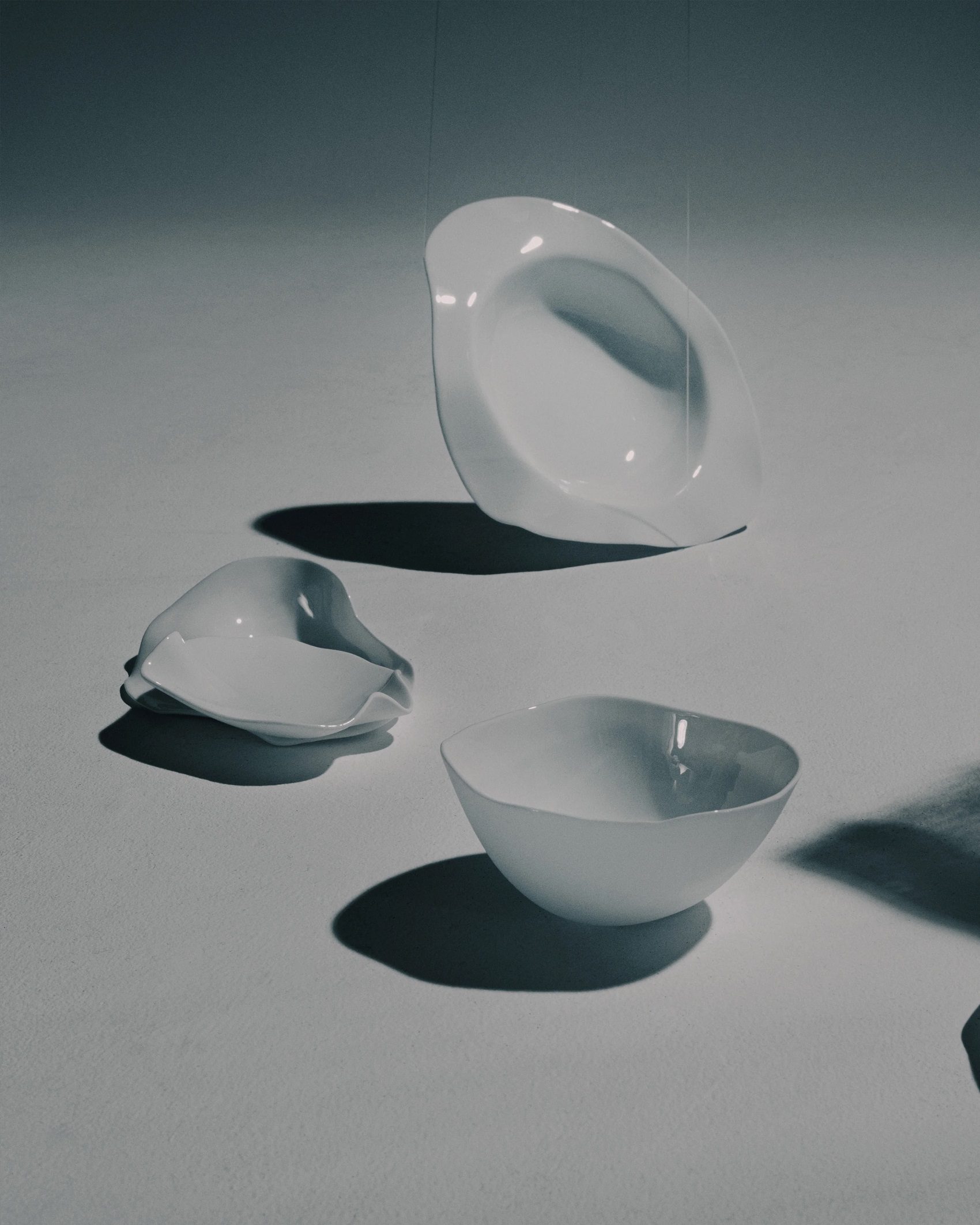
Material Minimalism. Beyond Subtraction: Pure and Tactile Form
The search for the essential is not coldness, but a focalization on the purity of matter. Porcelain becomes canvas, steel becomes sculpture, imperfection becomes a distinctive trait.
Poetic Chiaroscuro: Dé by Serax
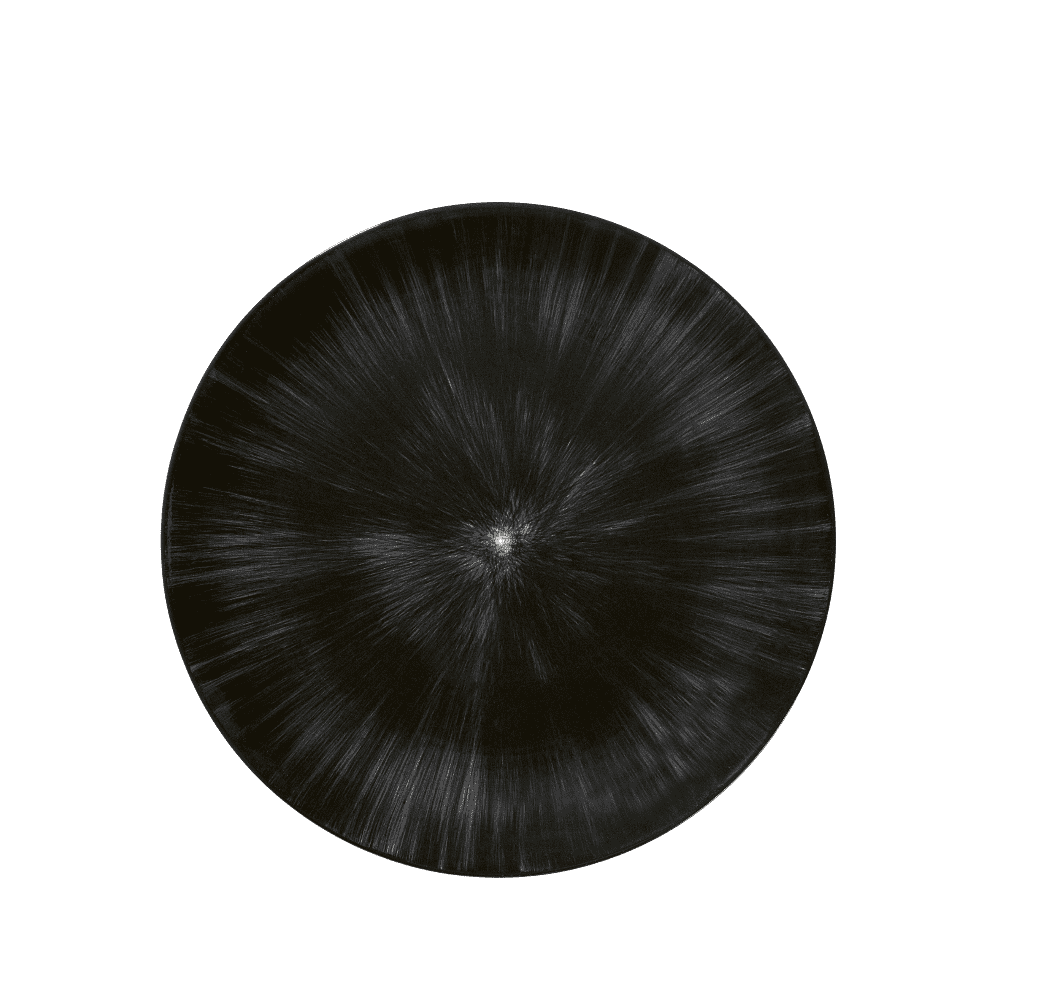
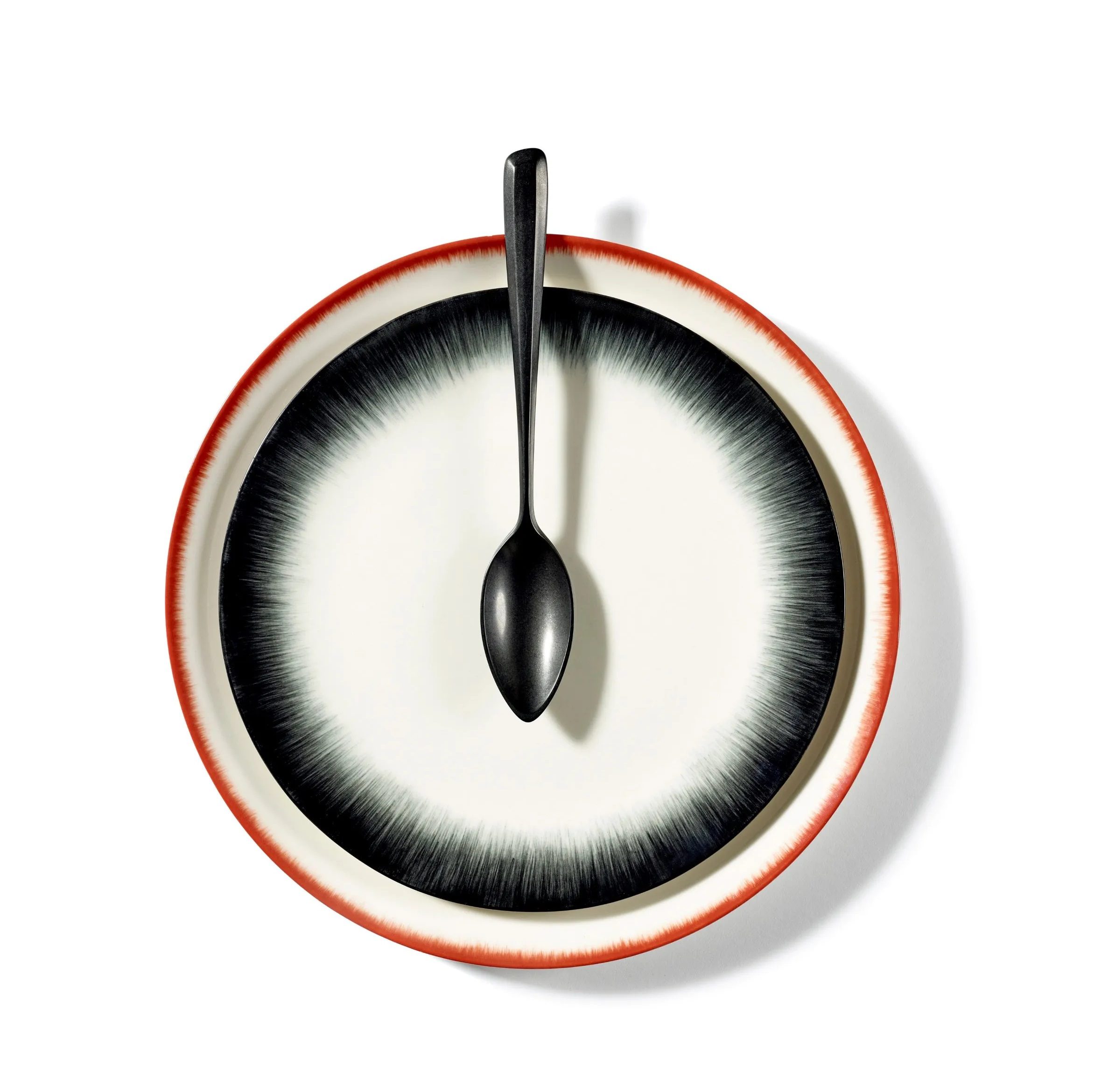
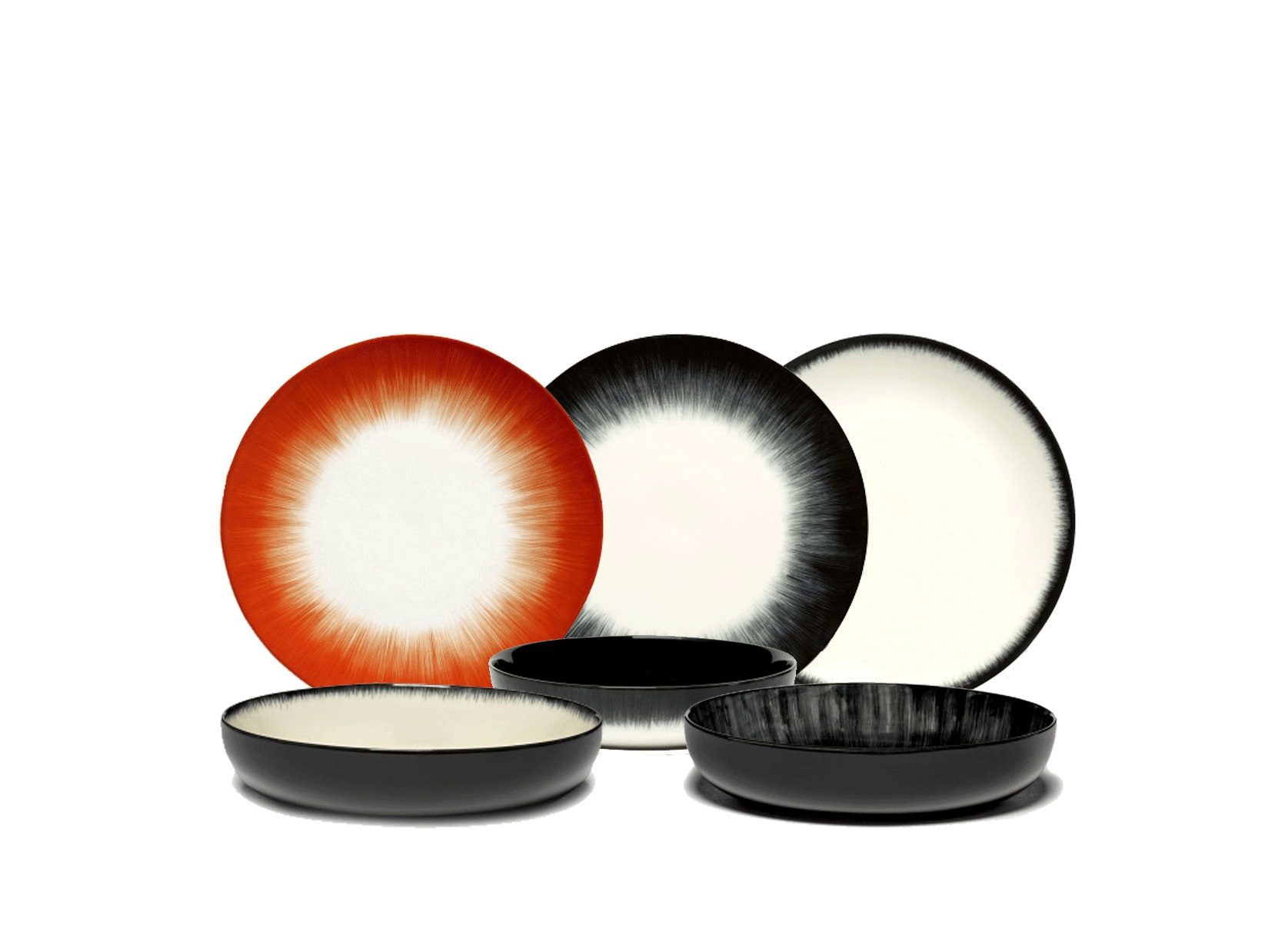
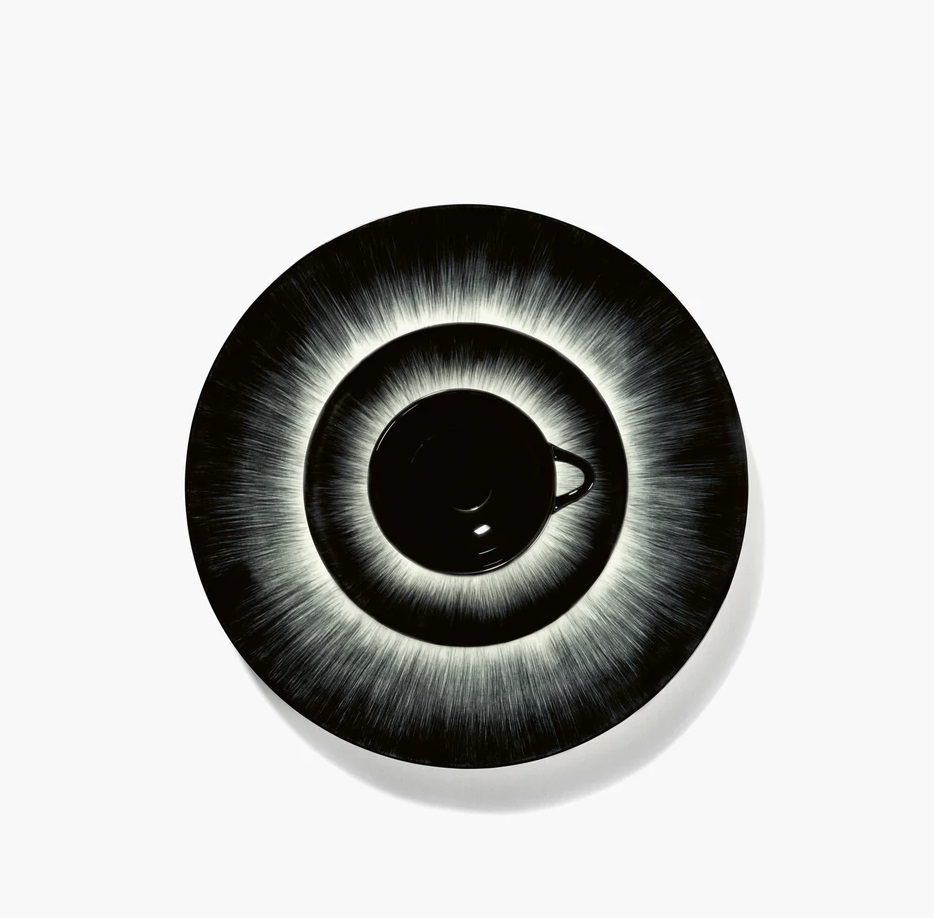
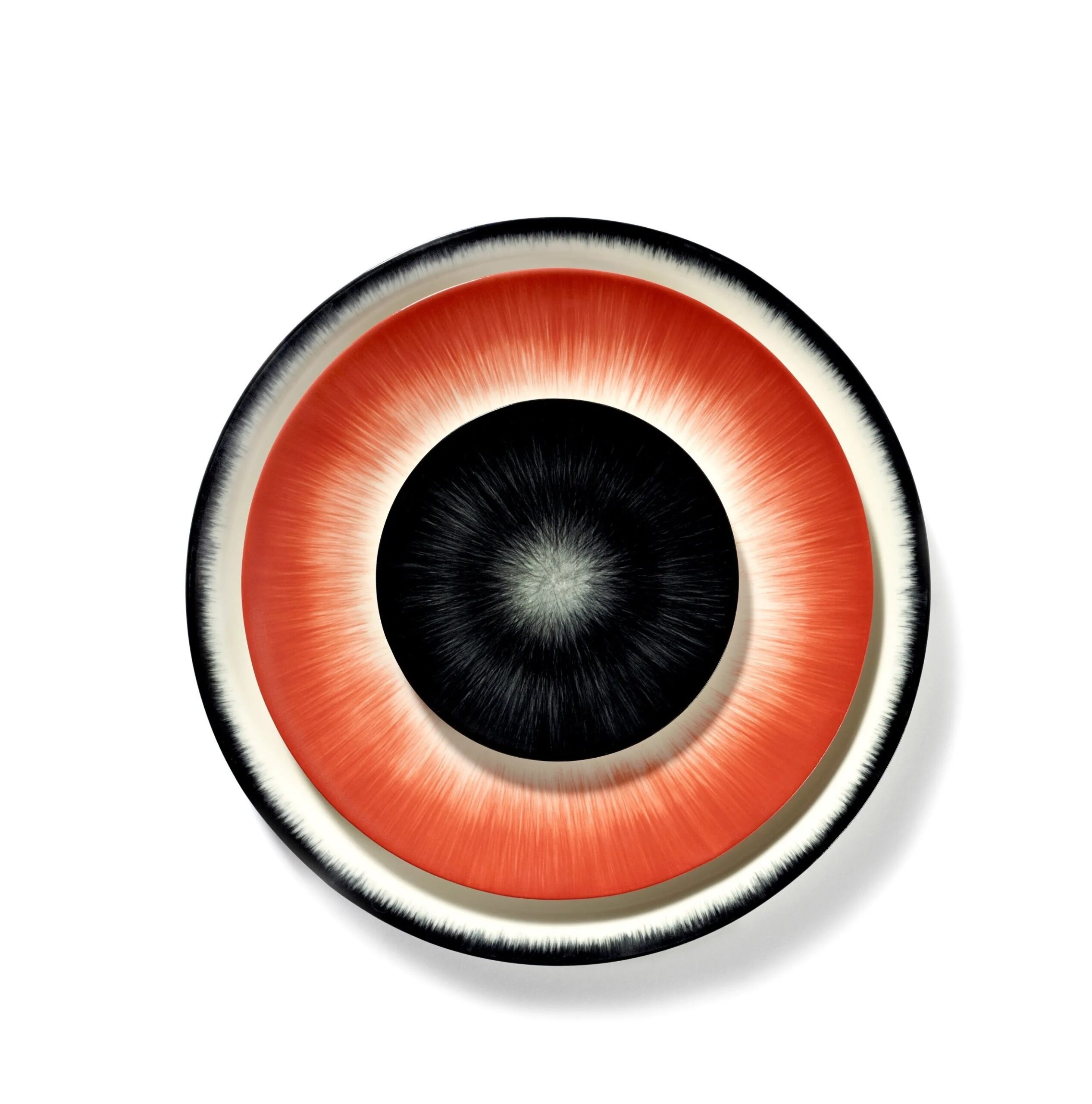
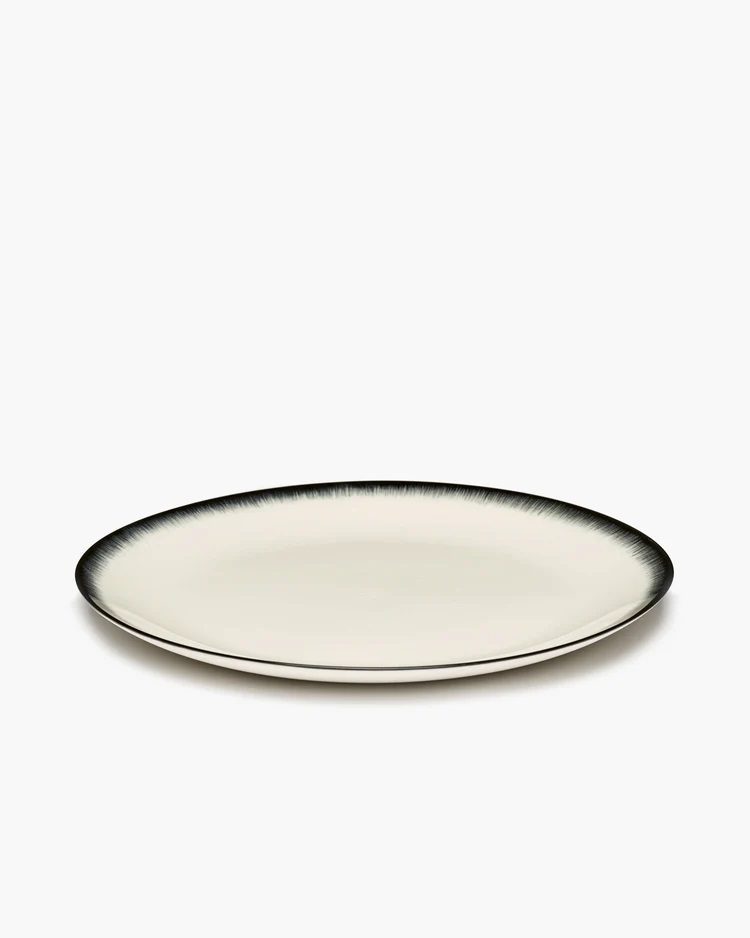
The Dé collection, launched in 2019 but an undisputed protagonist of 2025, is a perfect example of intellectual minimalism. The famous Belgian designer Ann Demeulemeester, a cult figure of avant-garde fashion, translates the play of chiaroscuro that defines her aesthetic into shadow paintings on porcelain. The decor is not an applied motif, but a dégradé, an interplay of meticulous hand-painted lines, with various variations creating a visual rhythm on the table.
The object is a manifesto. The project’s strength lies in contrasts, typical of the Demeulemeester style: the deep, matte black on the exterior of the cup opposes the glossy, reflective white of the interior. Each piece, thanks to the manual painting of the gradient, is unique. The form itself is sculptural: the dinner plates rest on a pedestal, an architectural detail intended to “literally elevate the food,” transforming every course into an installation and carrying a powerful echo of the designer’s typical gothic and poetic contrasts.
Ideal gift for the intellectual aesthete, the architect, the fashion connoisseur. For the person who appreciates non-banal, conceptual minimalism and seeks objects that invite contemplation.
Price: Varies from €19.00 for a small plate to €76.50 for a large dinner plate, depending on the complexity of the hand-painted dégradé.
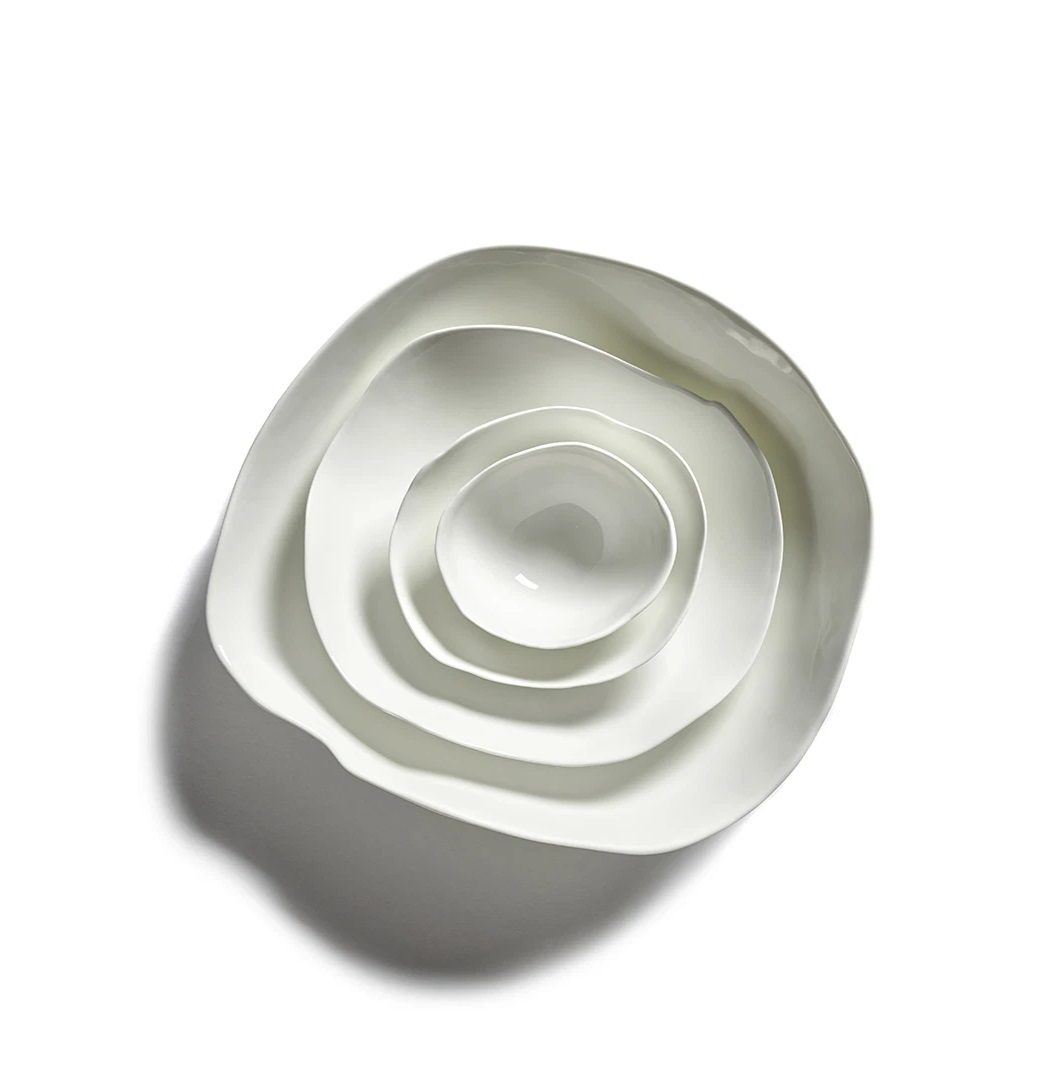
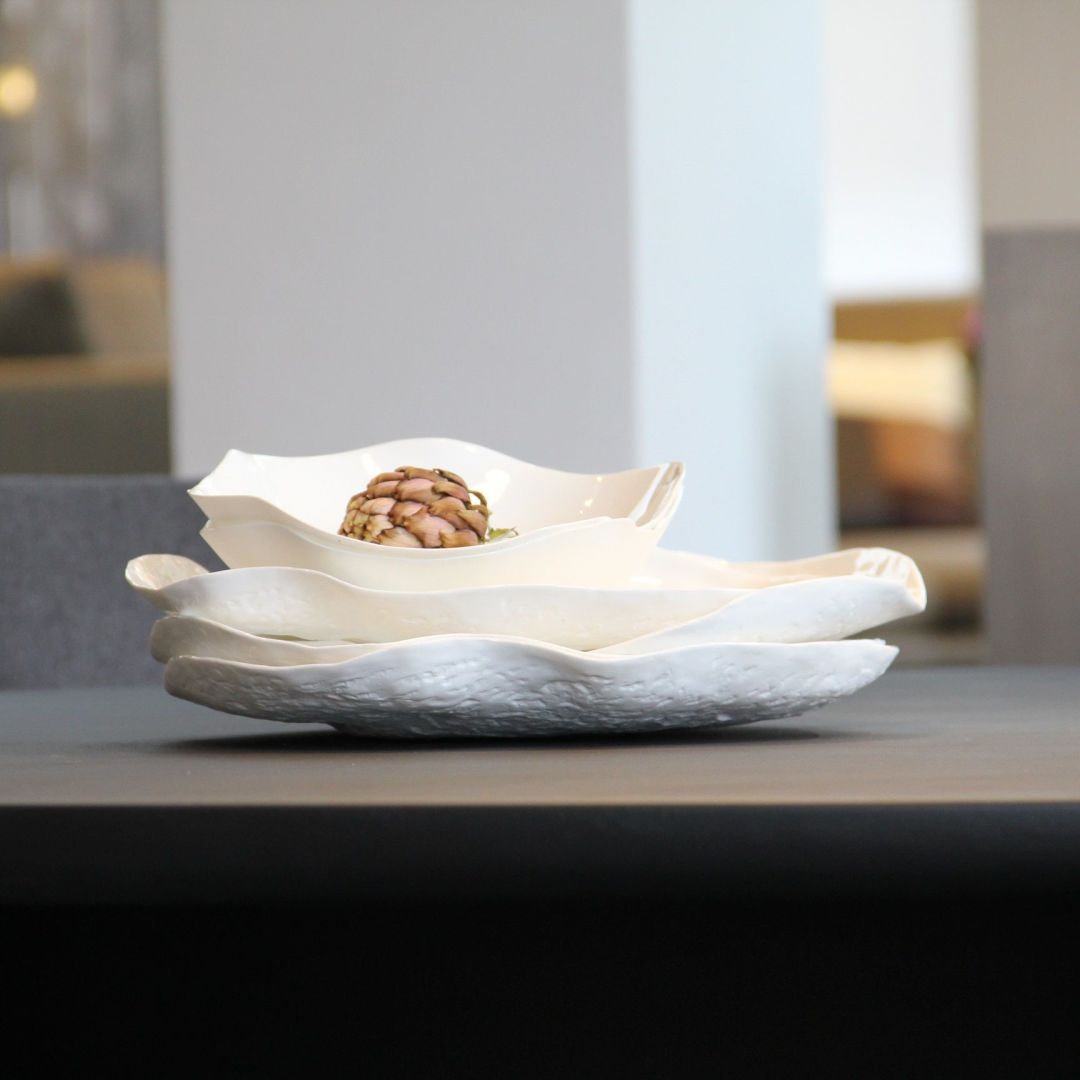
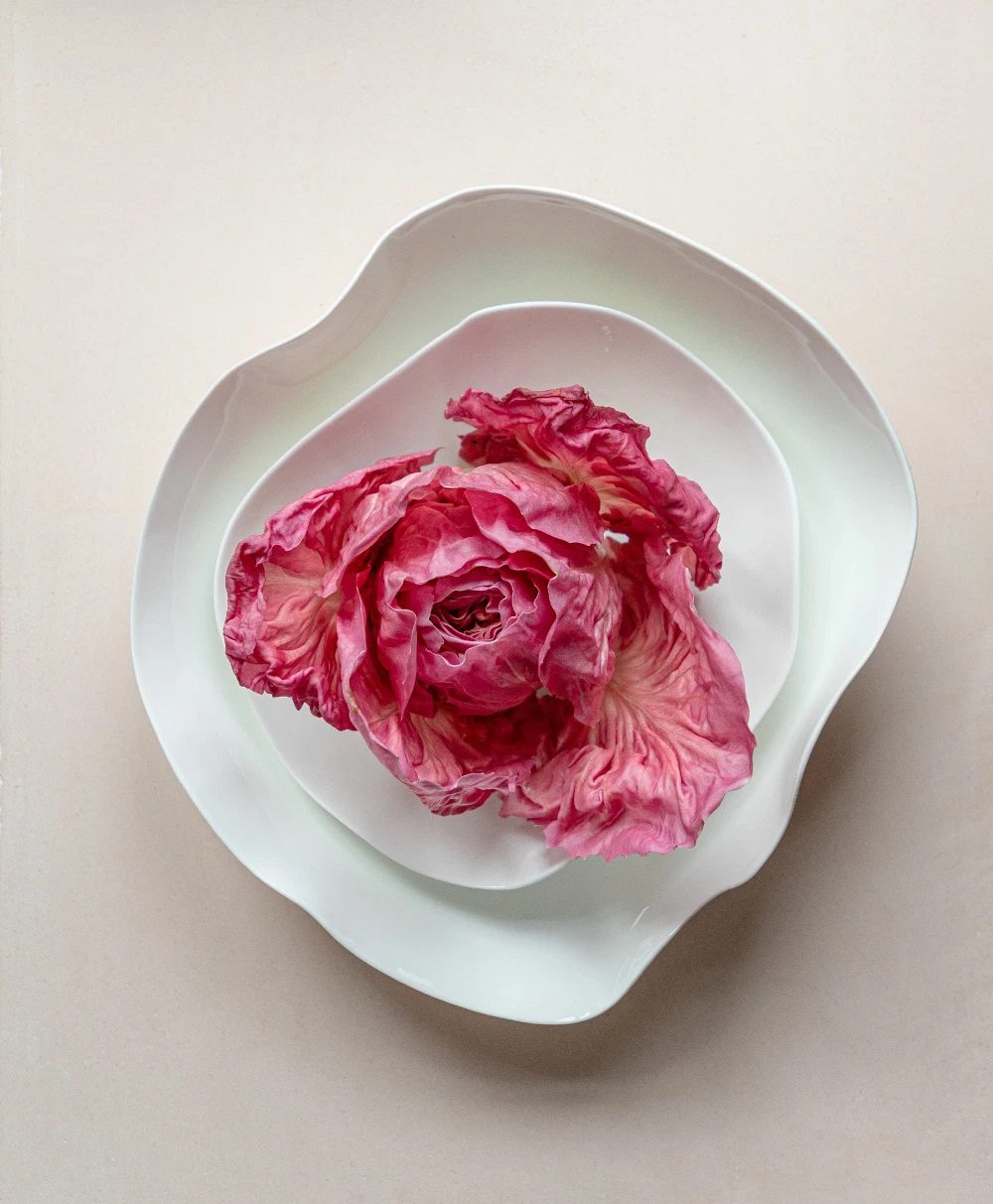
The Praise of Imperfection: Perfect Imperfection by Serax
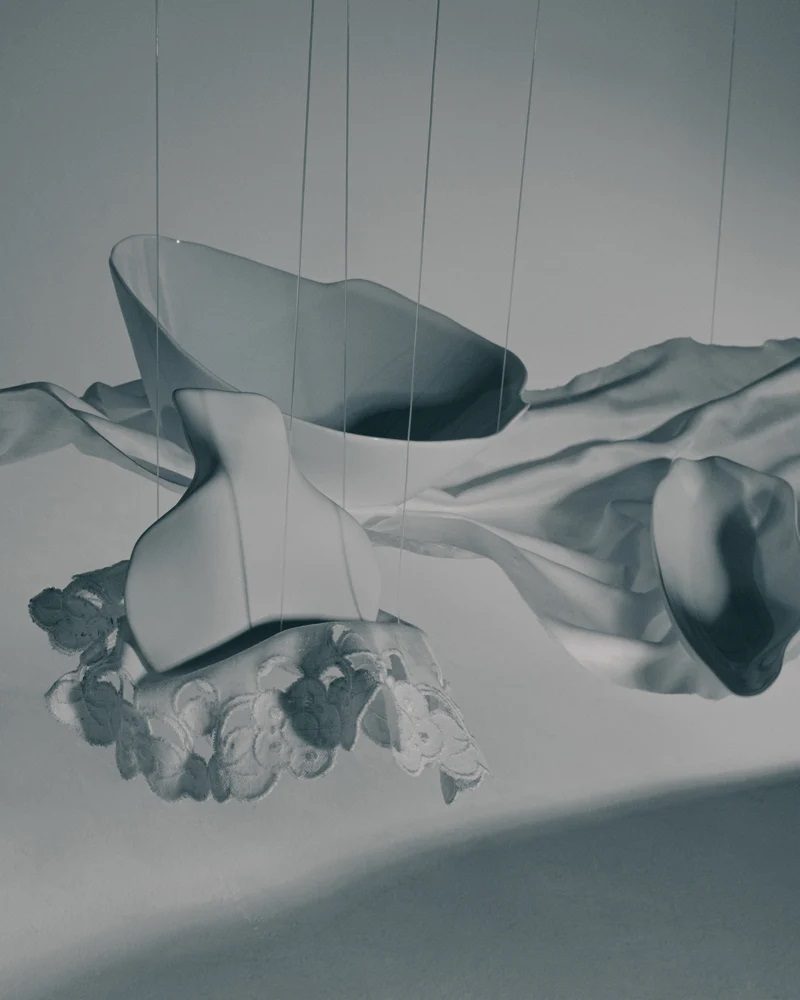
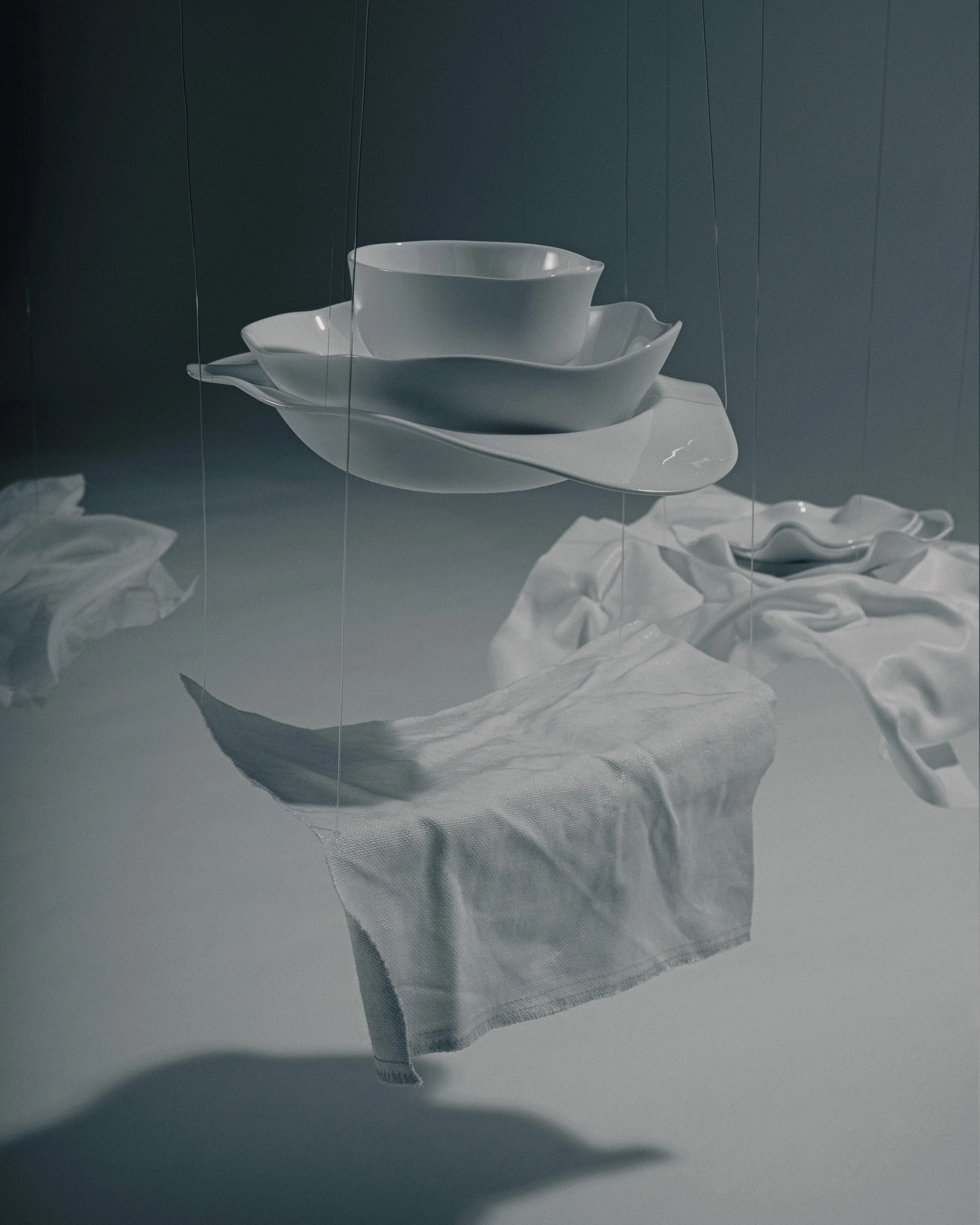
More than a collection, Perfect Imperfection is a philosophy. Designer Roos Van de Velde draws inspiration directly from nature for a project that subverts the rules of industrial production. It is the first time that “imperfection, defect, and coincidence” are not seen as errors to be discarded, but as integral and desirable parts of the serial production process.
The porcelain is worked to be organic, almost ethereal. The edges are thin, irregular, like petals or shells. The collection captures nature’s irregularities and fixes them in matter. This project is the physical and tangible incarnation of the Wabi-Sabi philosophy applied to the table. It represents a radically new form of luxury based on authenticity and acceptance, in sharp contrast to serial perfection. It is the manifesto of Material Minimalism.
Designed for those seeking authenticity and poetry in everyday objects. For the lover of Japandi style, the yogi, or anyone wishing to bring a sense of calm, nature, and reflection to their table.
Price: Ranges from €19.00 for a small plate up to €71.00 for a serving platter, depending on size and the complexity of the organic shape.
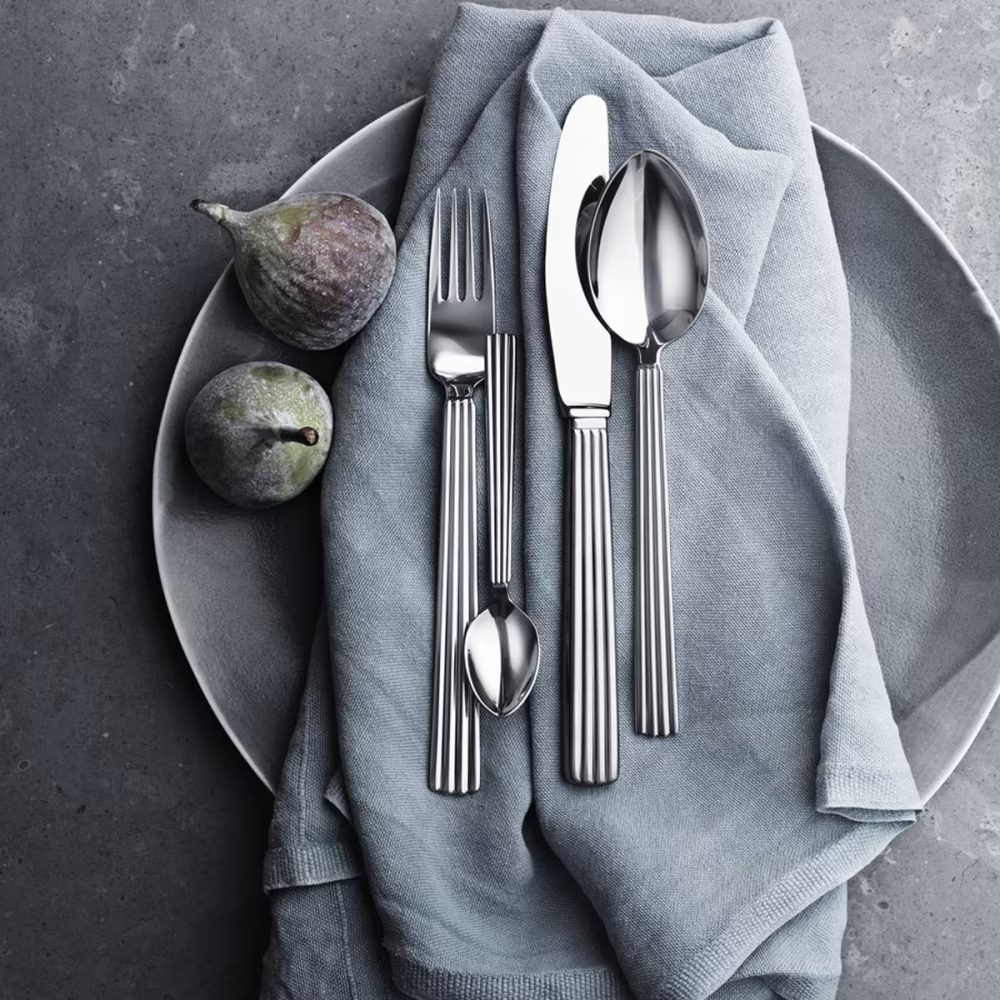
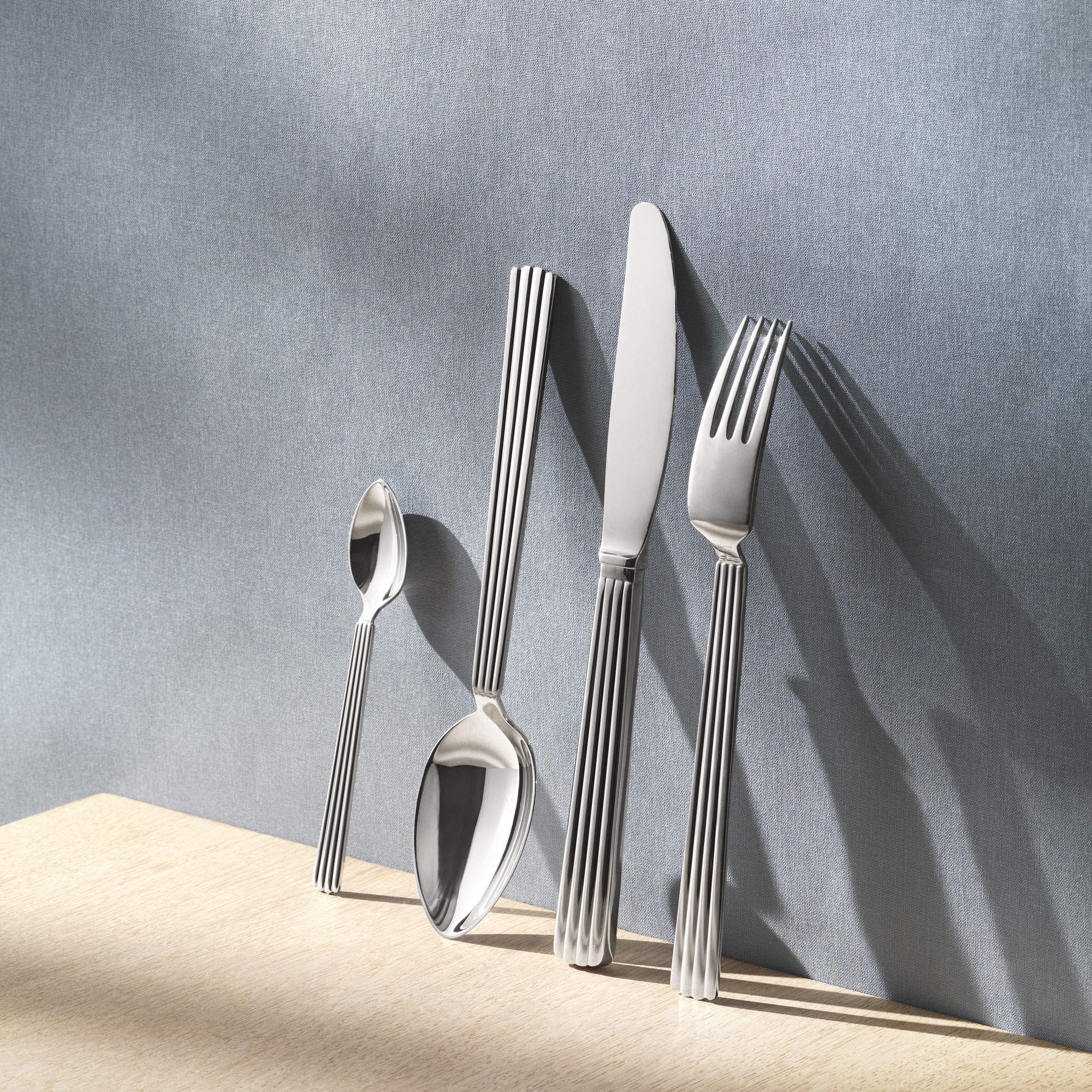
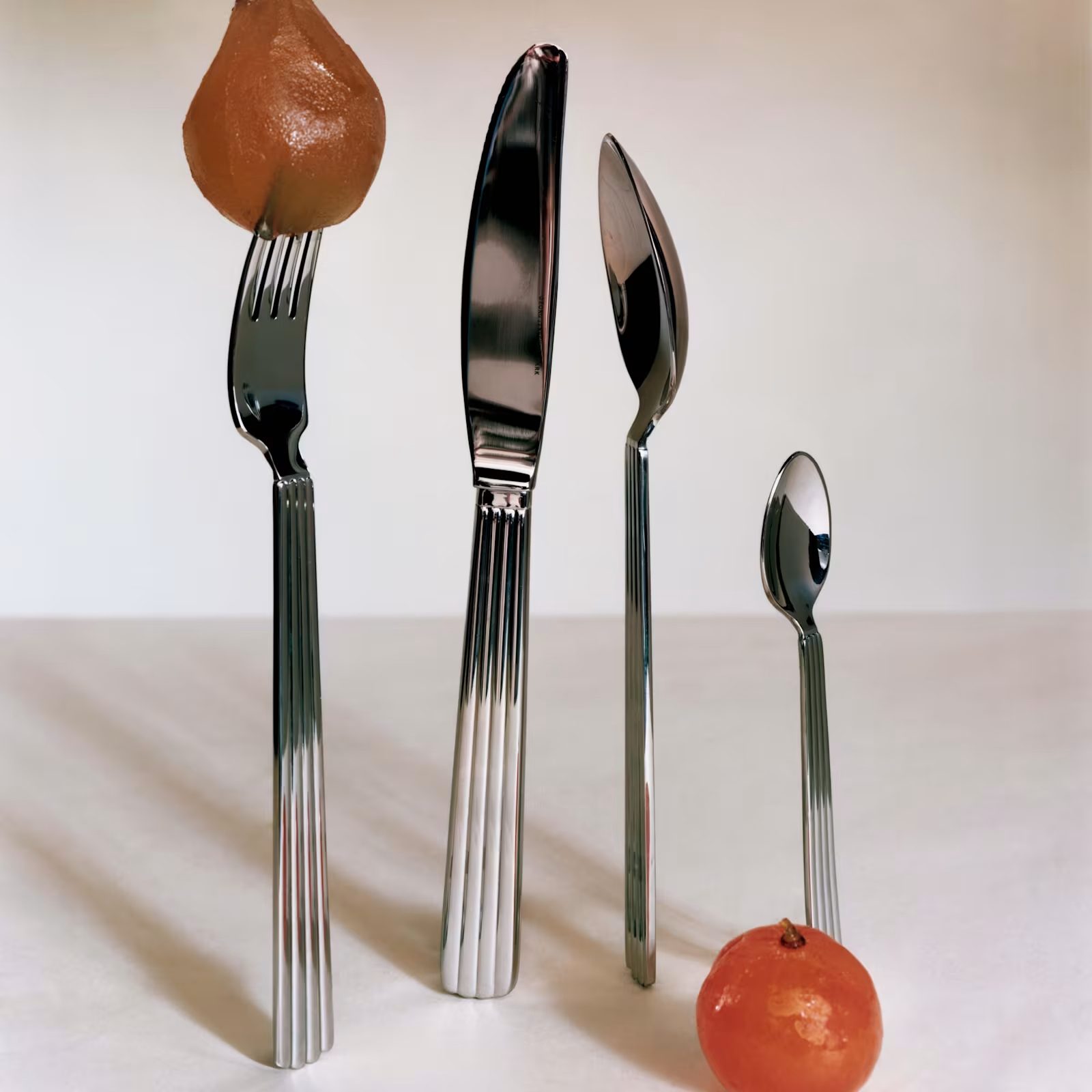
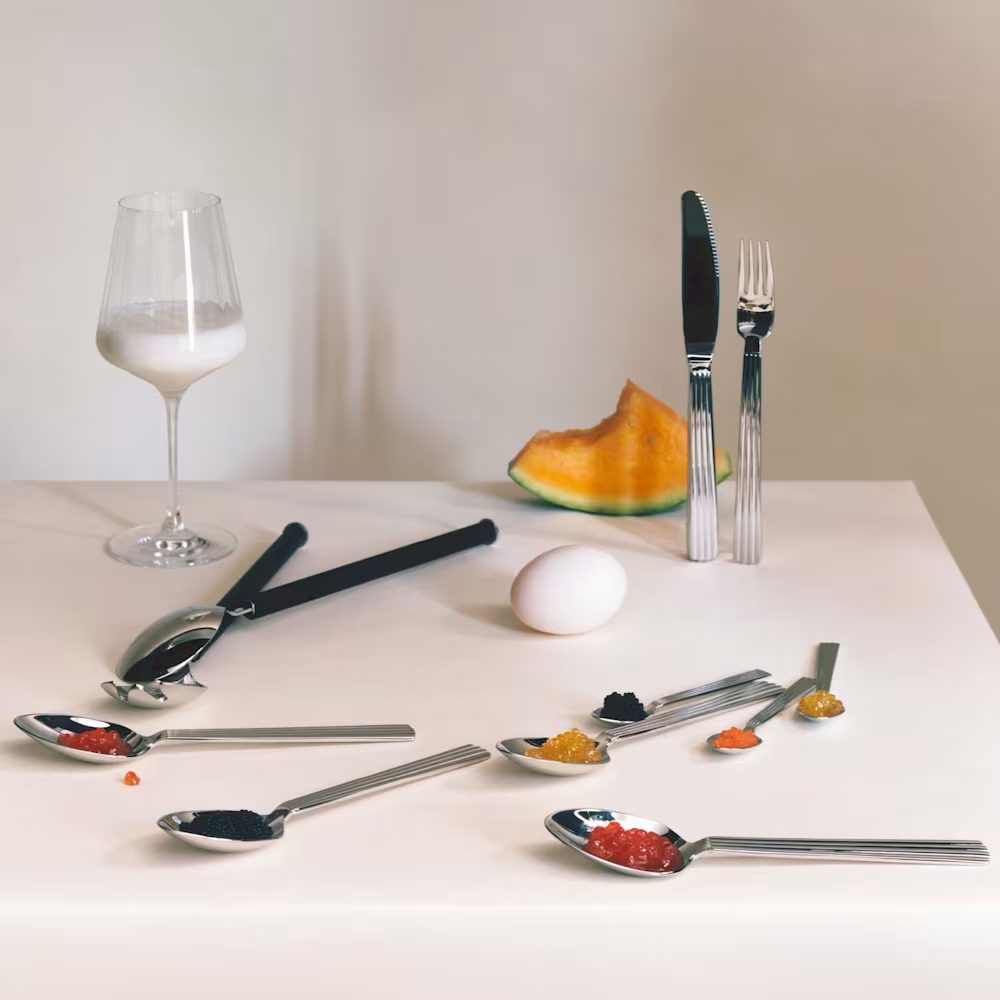
The Functionalist Icon: Bernadotte by Georg Jensen
This cutlery service is a piece of design history. Designed in 1939 by Swedish Prince Sigvard Bernadotte, it is the archetype of Scandinavian design. Bernadotte, one of Georg Jensen’s first collaborators, was a pioneer of functionalism. With this project, he steered the aesthetic of the historic silversmithing maison away from the swirls of Art Nouveau toward leaner, cleaner, and more functional lines.
Its modernity, almost a century after its creation, is disarming. The characteristic grooved lines running along the handles, of clear Art Deco inspiration, are not mere decoration but a structural and tactile element that improves ergonomics. Made in mirror-polished stainless steel, or in its historic silver variant, the ‘Bernadotte’ collection preserves an intact modernity. It embodies that concept of discreet and cultured luxury, where the historical rigor of the sign translates into a functionality that ennobles the everyday.
A sure gift of high cultural profile. A piece of design history to be handed down.
Price: A base set of 16 pieces in stainless steel is positioned indicatively between €195 and €230.
Cultured Maximalism: When Decor, Color, and Opulence Become a Personal Narrative
The act of setting the table becomes an expression of self. Decor, color, and the preciousness of material are not trinkets, but tools for a personal and joyful story.
Pop Heritage: Oriente Italiano by Ginori 1735
The historic Manufacture Ginori 1735 presents five new icons for its most vibrant collection, ‘Oriente Italiano’. It is heritage becoming contemporary, bold, and deeply personal. The famous carnation decor, inspired by 18th-century Florentine porcelains and their dialogue with Oriental exoticism, is here re-read with a joyful and disruptive approach.
The novelty for 2025 lies in the introduction of new sculptural forms, serving pieces that add verticality to the table: scenic three-tiered stands, cake stands, candle holders, and ample statement bowls, both round and oval.
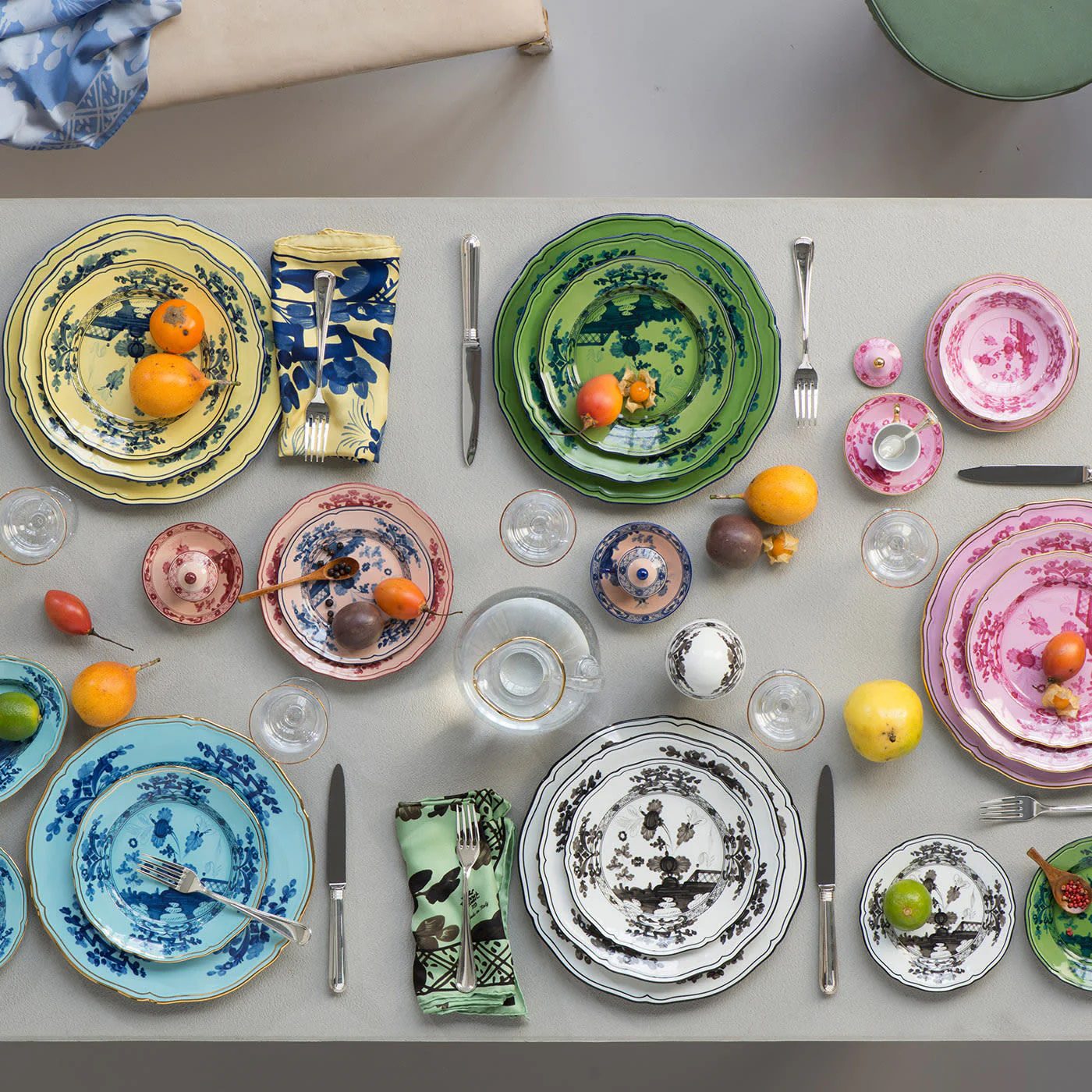
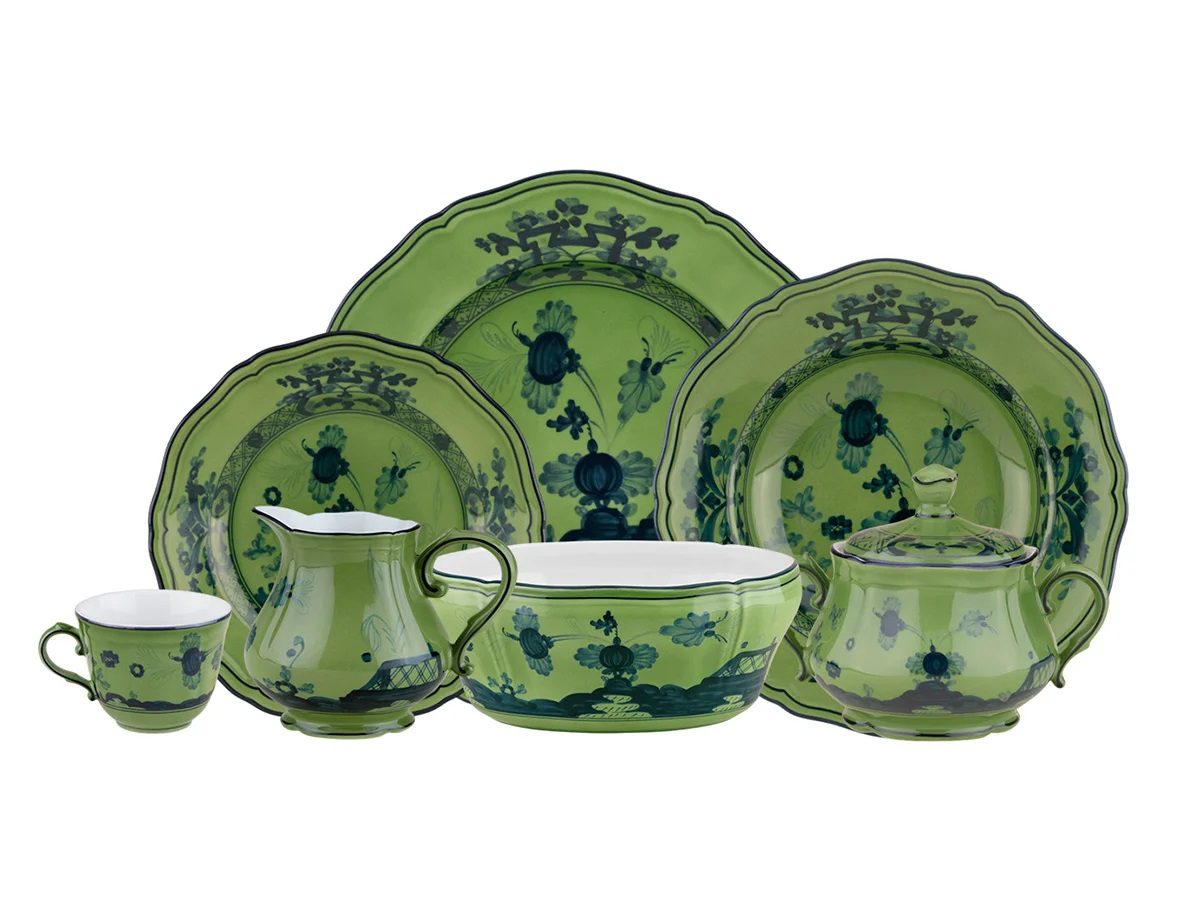
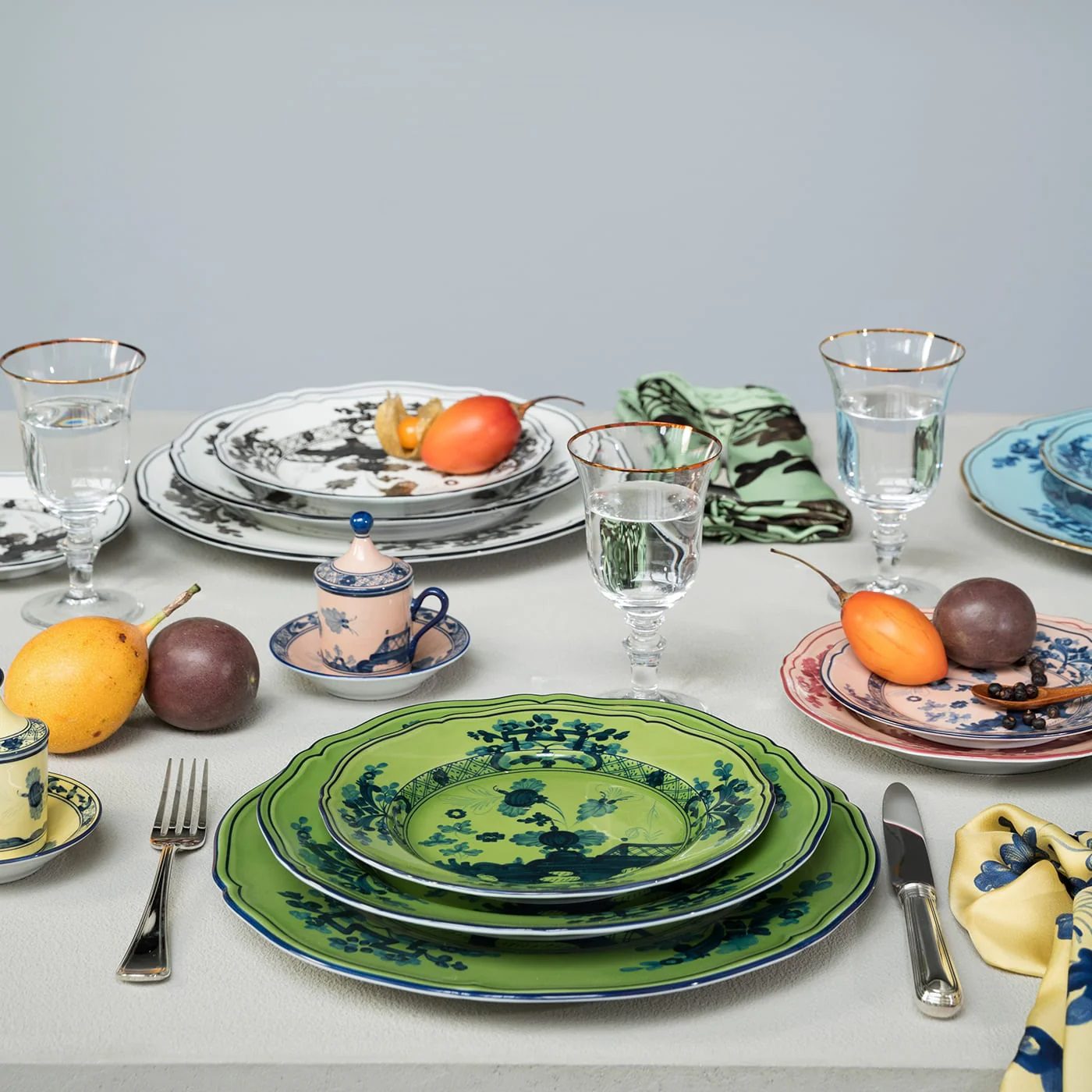
This expansion of forms is supported by a renewed chromatic palette. Alongside the iconic colors, new statement shades emerge: the vibrant Malachite green and the warm elegance of Chestnut (Castagna). These stand alongside hero colors of the collection like Azalea (pink), Citrine (yellow), and Aurum (white with pure gold). The design concept is explicit: to invite infinite combinations.
The philosophy: Ginori fully marries the trend of the luxury Deconstructed Table, pushing its collectors to break the rigidity of the “good” service and mix colors with audacity, drawing from a palette of 14 chromatic variants.
The ideal gift for the fashion-forward, the lover of Made in Italy who is unafraid to mix and considers the table an extension of their wardrobe.
Price: Prices range from €104 for a single plate up to €500 for the stand.
Introverted Luxury: Dressed by Alessi
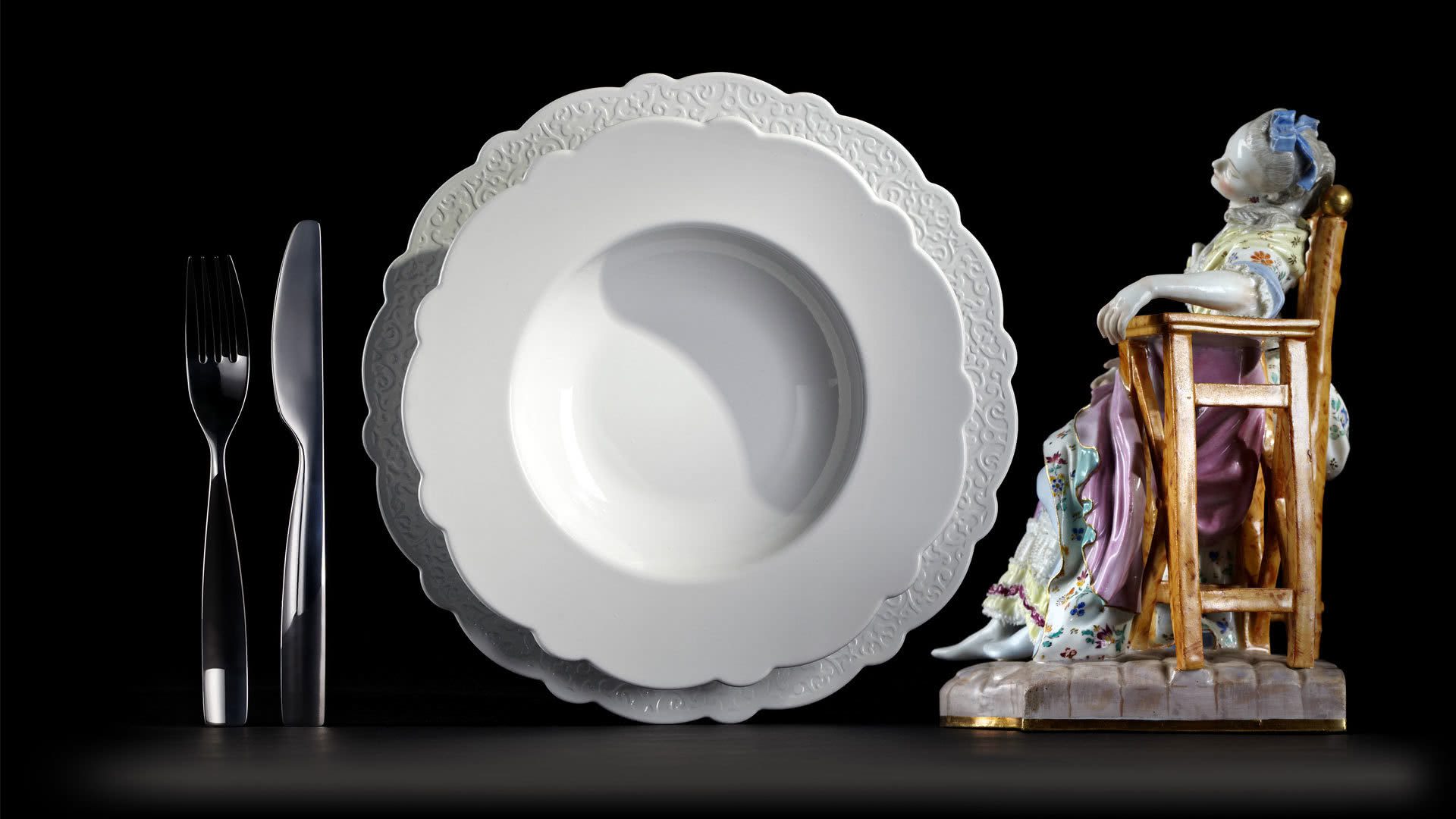
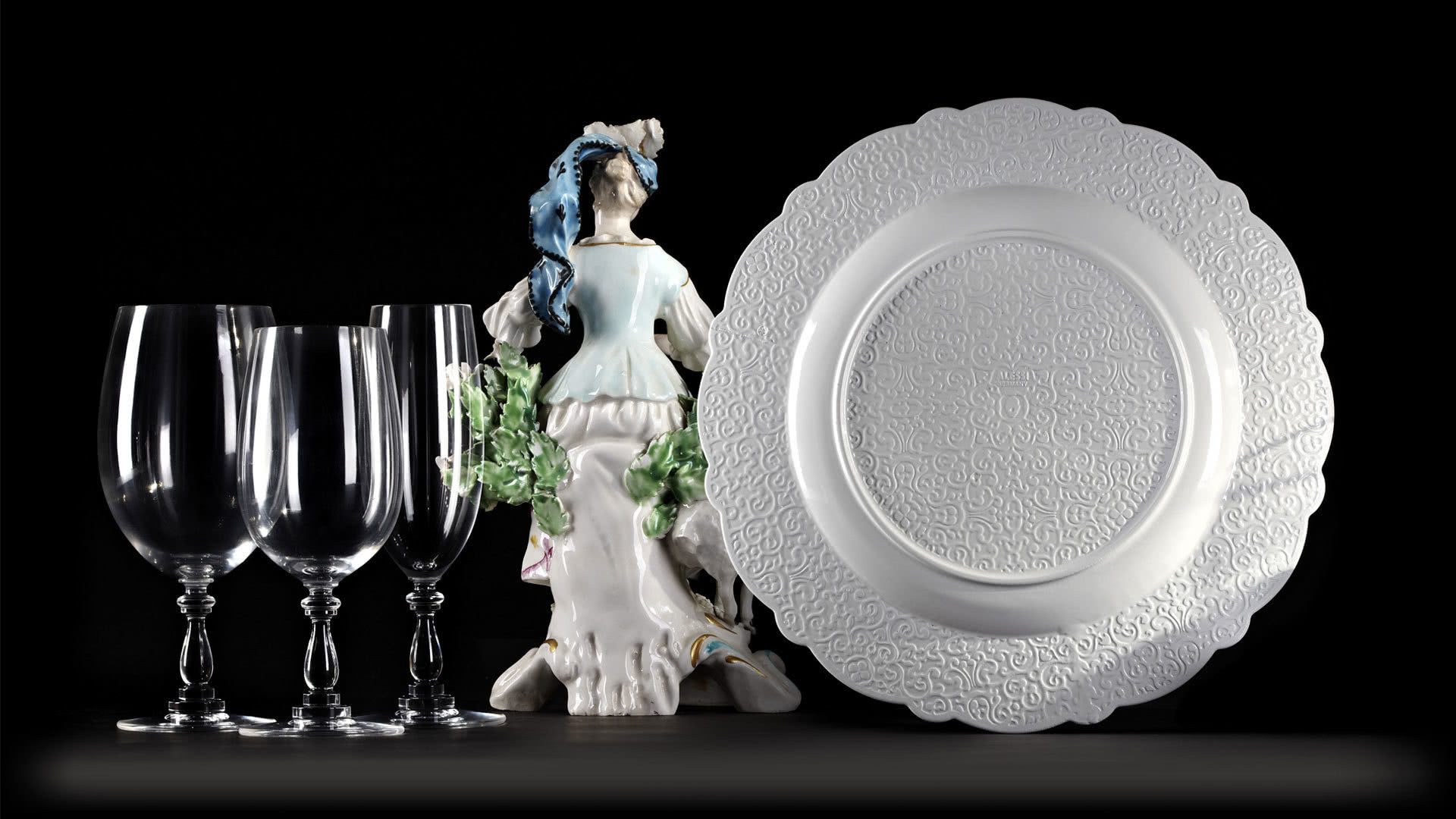
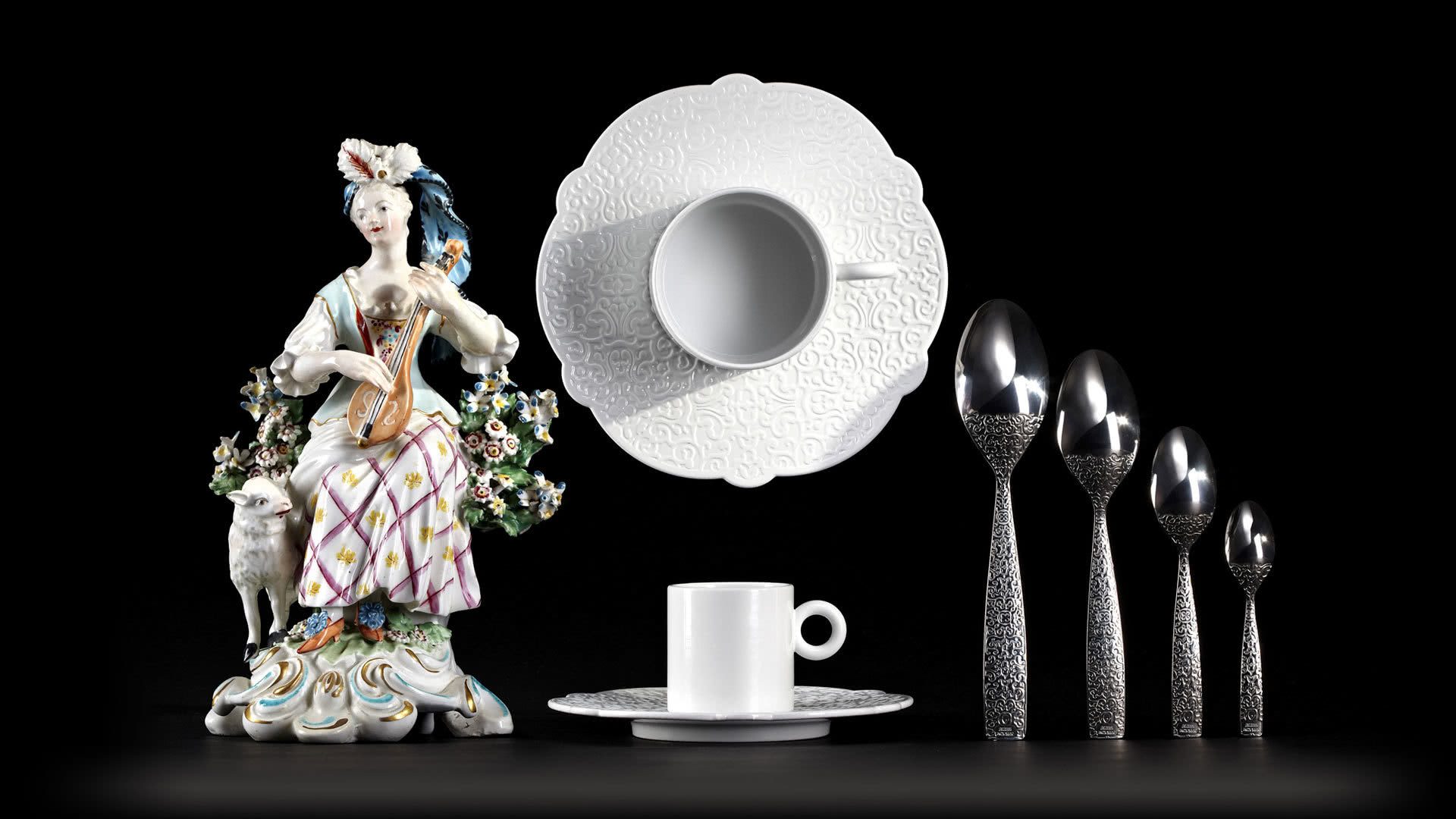
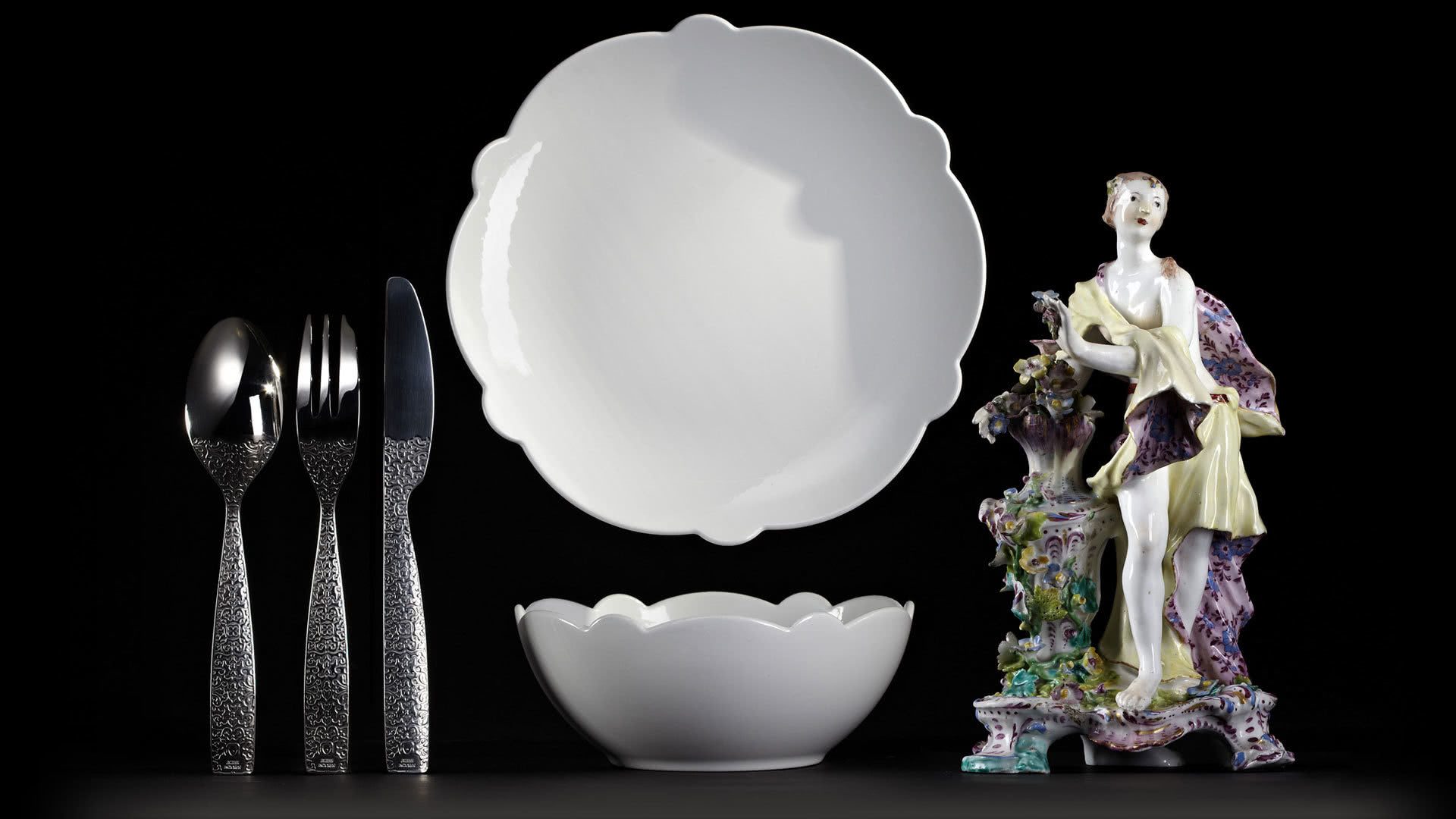
This collection, designed by the master of neo-baroque Marcel Wanders and originally launched in 2011, plays masterfully on the concept of private luxury. It is a project that subverts expectations: Wanders applies a rich, dense baroque decoration hidden in the least visible parts of the objects.
At first glance, the white porcelain plate or the stainless steel cutlery appears minimalist, with simple and clean lines. But it is the back, the underside, the part touching the tablecloth, that reveals a surprising, rich, and detailed decor. Wanders himself describes the collection as “a beautiful dress” tasked with enhancing the food without ever dominating it. It is a discreet, almost subversive maximalism. It is a gift not for the observer, but for the possessor of the object. A secret between the user and the designer.
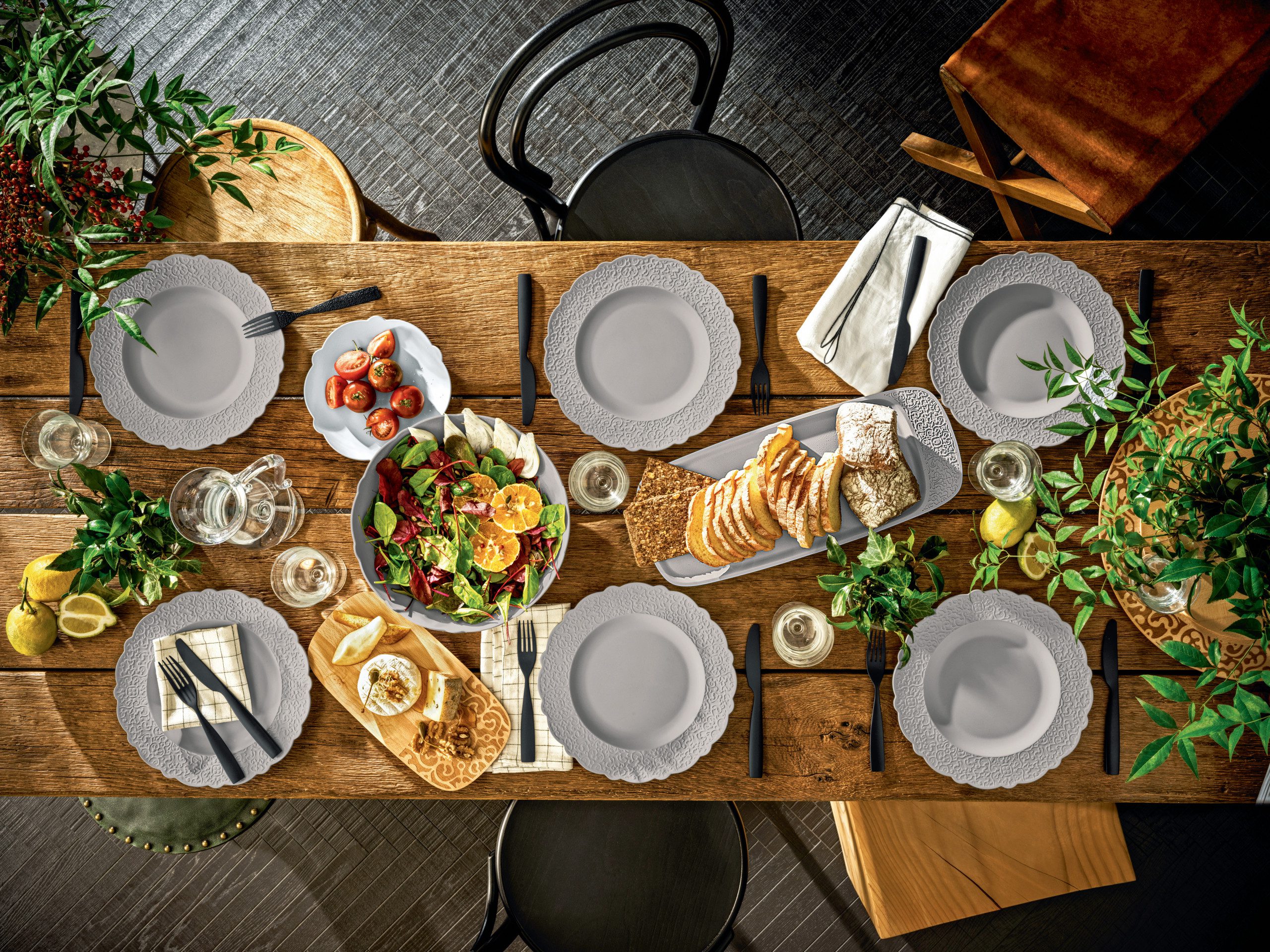
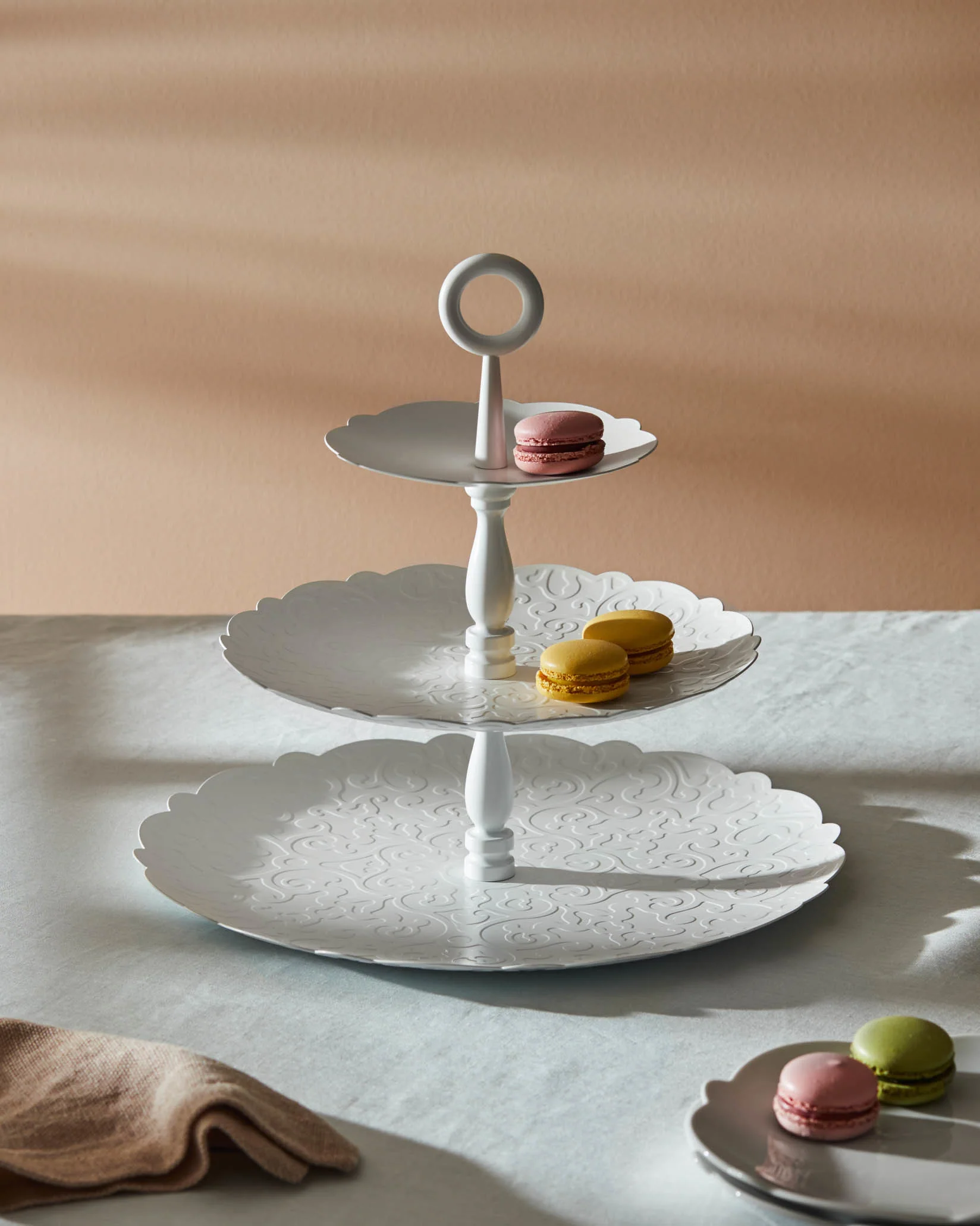
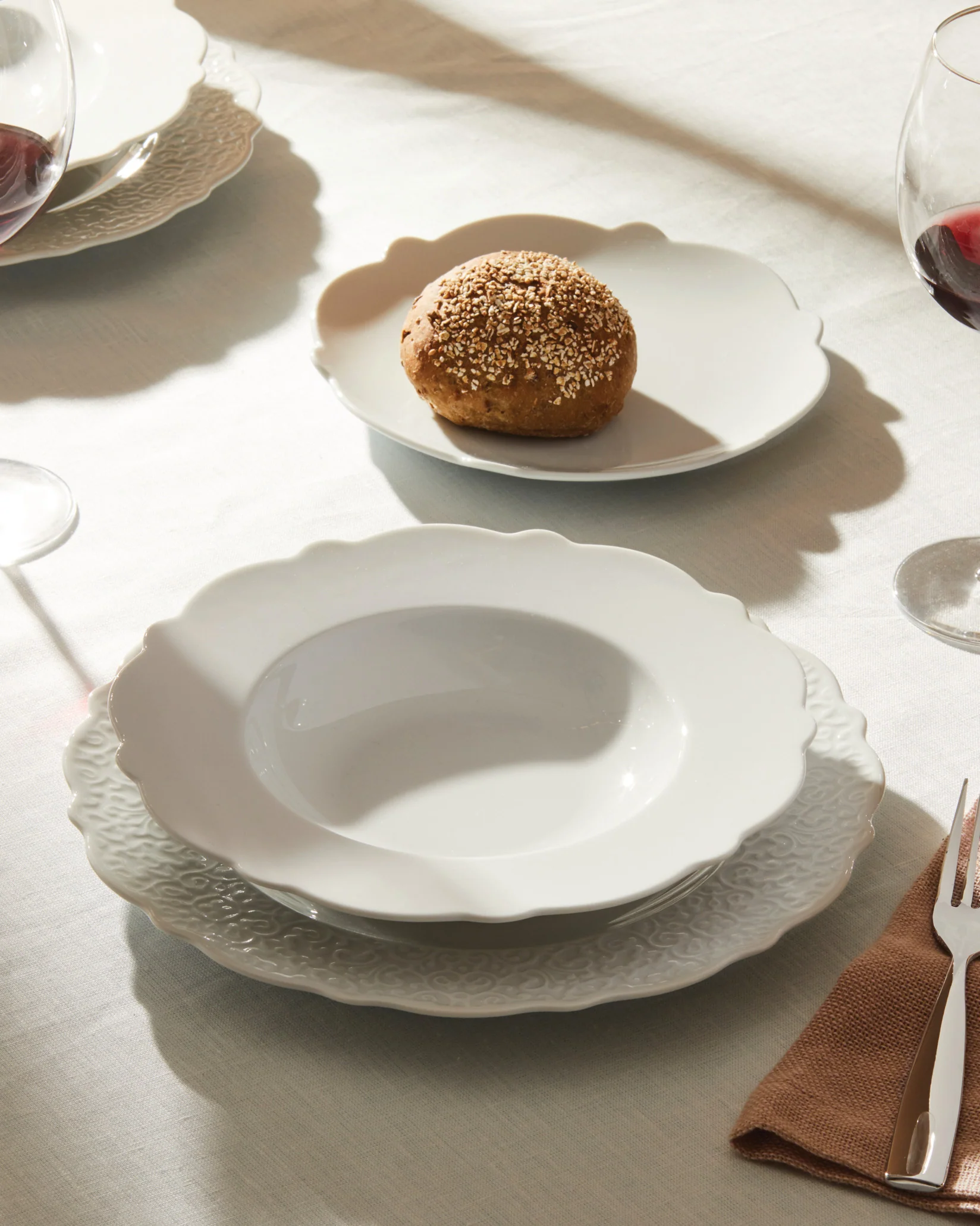
Although created in 2011, the philosophy of Dressed is today more current than ever. It fits perfectly into key 2025 trends such as Quiet Luxury, Stealth Wealth, and Discreet Maximalism, which reject ostentation in favor of hidden details and a quality perceived by the one who owns the object.
Ideally for the design enthusiast who appreciates irony and concept. For those who love hidden details and prefer whispered luxury.
Price: A set of 24 cutlery pieces can be purchased for approximately €275.00, while a set of four dessert plates is around €108.00.
Translated DNA: Arcadia by Baccarat
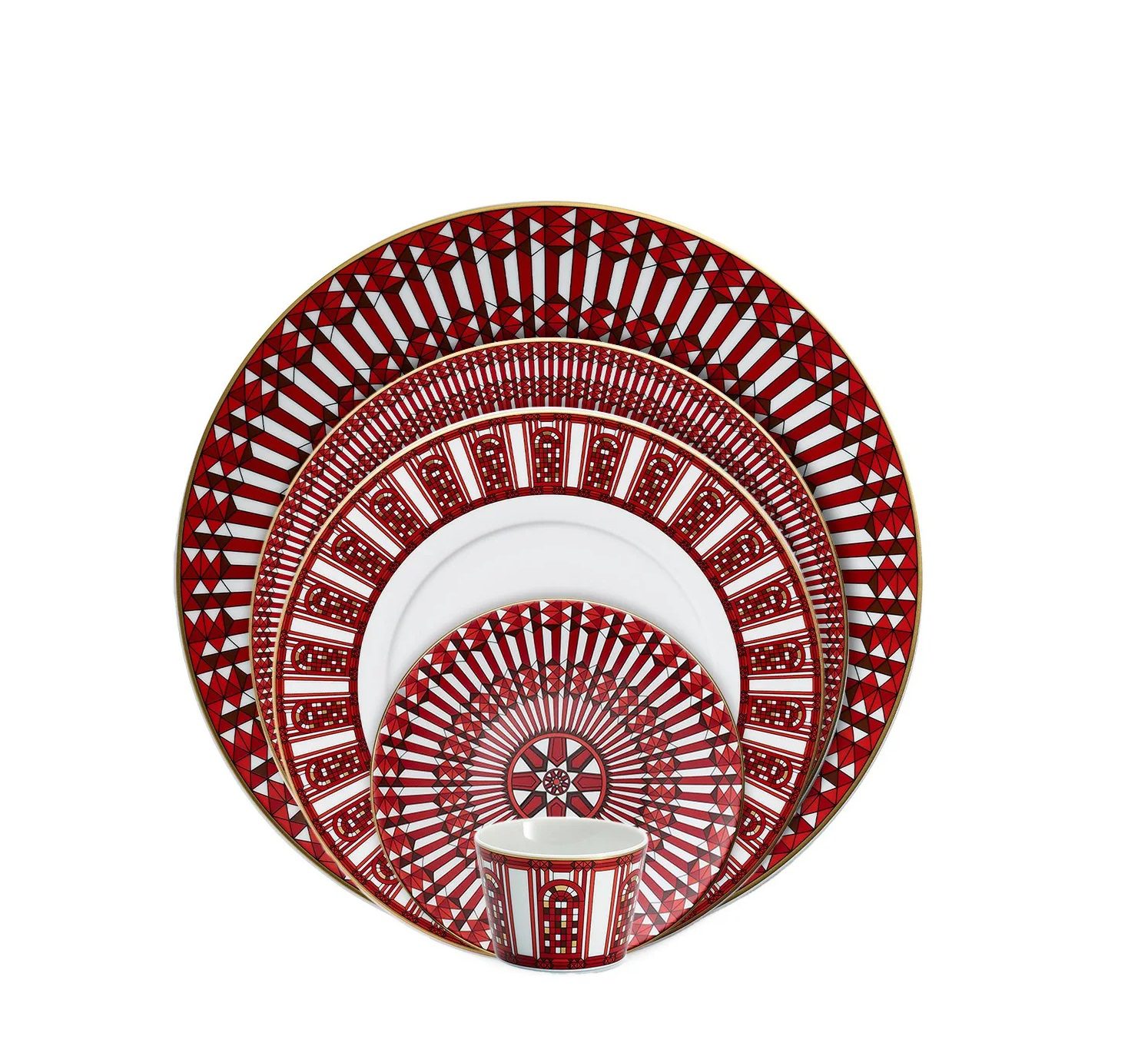
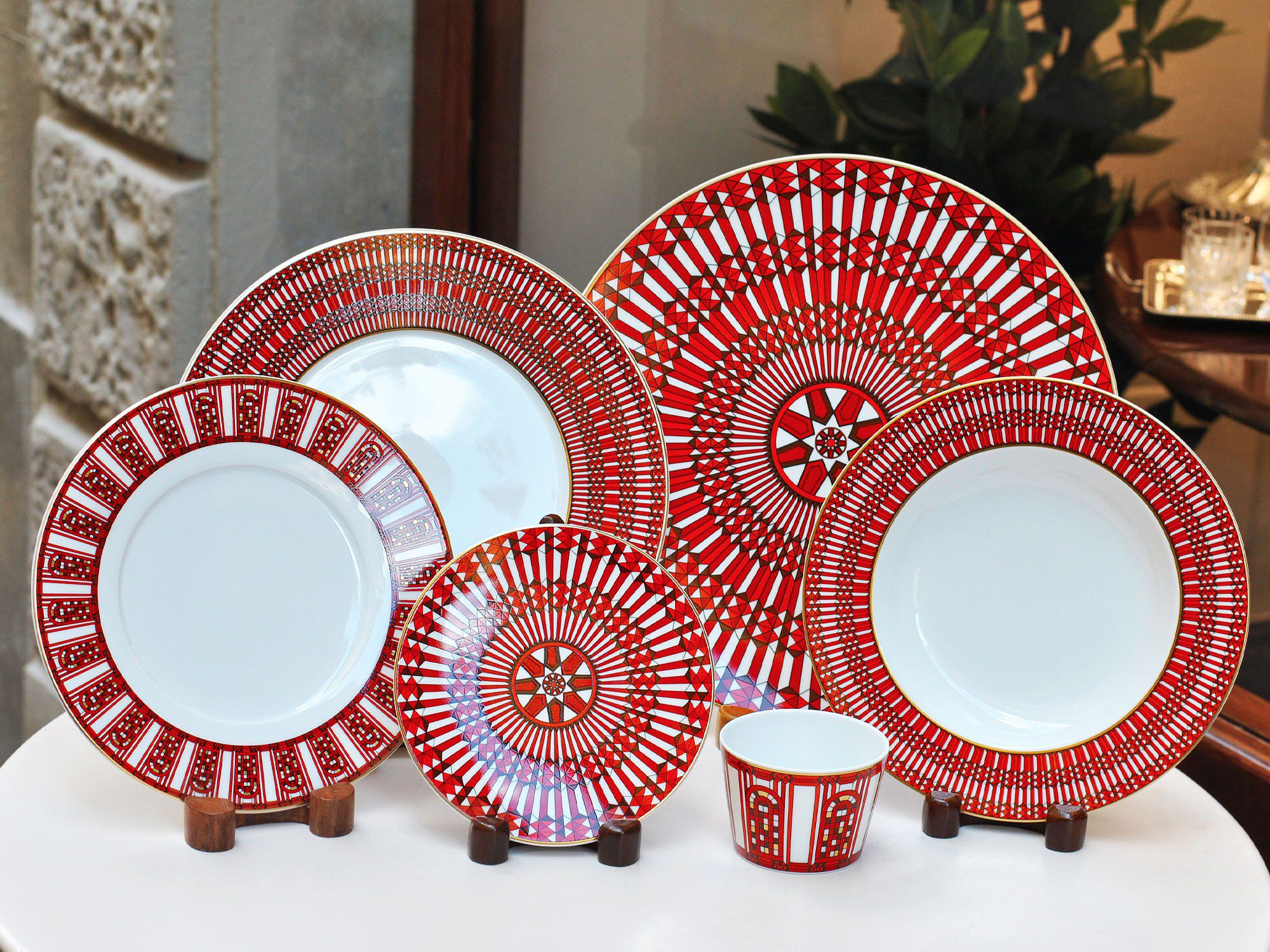
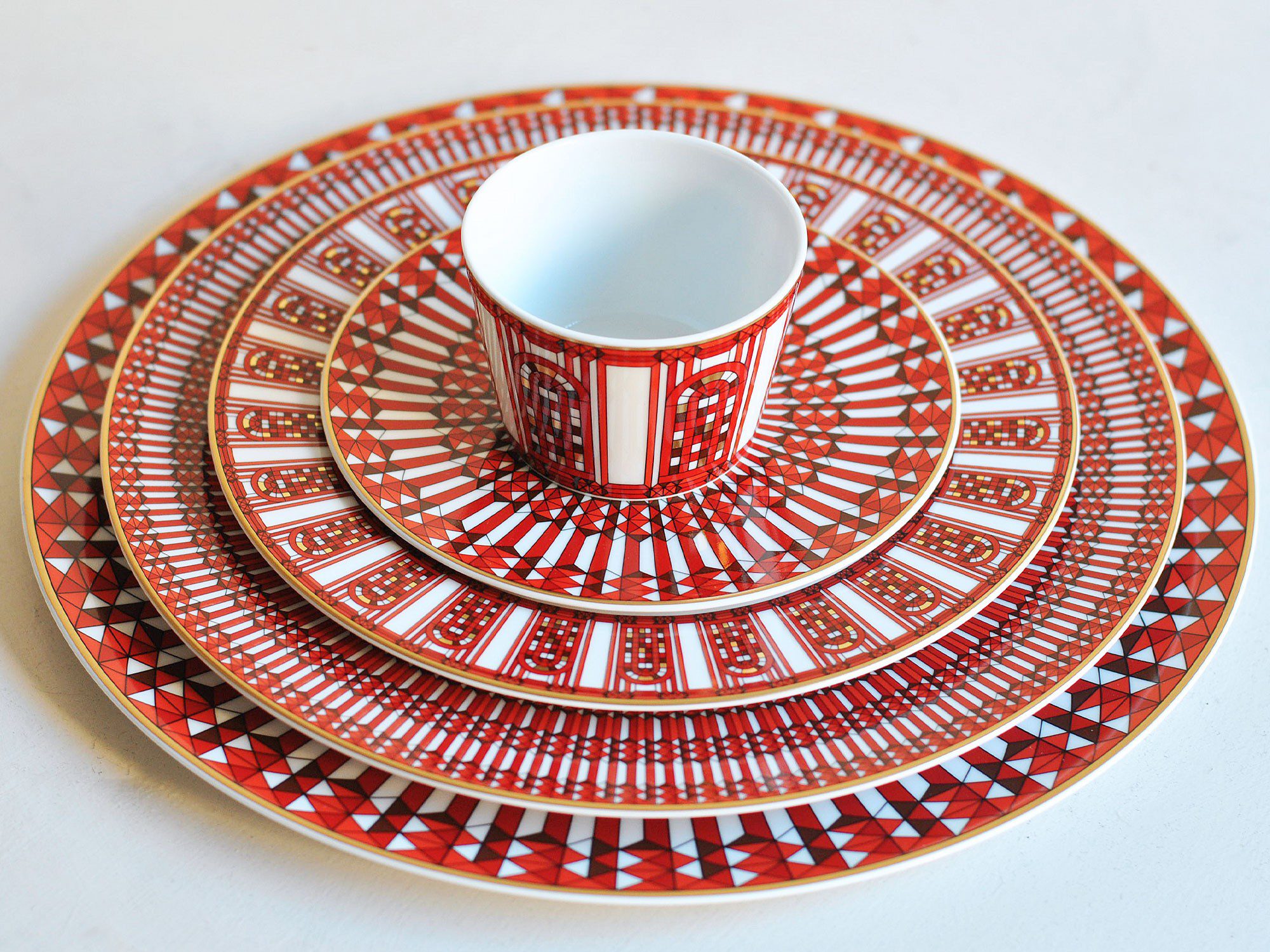
Baccarat expands its universe and enters the world of porcelain with Arcadia, a complete tableware collection that translates the Maison’s DNA onto a new surface. It is a gesture that redefines the brand: the legendary crystal maker no longer limits itself to illuminating the table with transparency but dresses it with opaque and saturated matter.
The project is a pure expression of Cultured Maximalism, defined here not by a decor, but by a bold material dialogue. Baccarat does not try to imitate porcelain; it imposes its opulent aesthetic upon it. The Red versions saturate the plate with the house’s iconic ruby red, creating a compact surface that acts as a chromatic counterpoint to the refraction of the glasses. The Gold & Platinum variants are even bolder: they treat porcelain like a jewel, a goldsmith’s surface that rejects all minimalism.
Price: A set of two Arcadia Red soup plates costs around €280, while a single Gold & Platinum tumbler is €115.
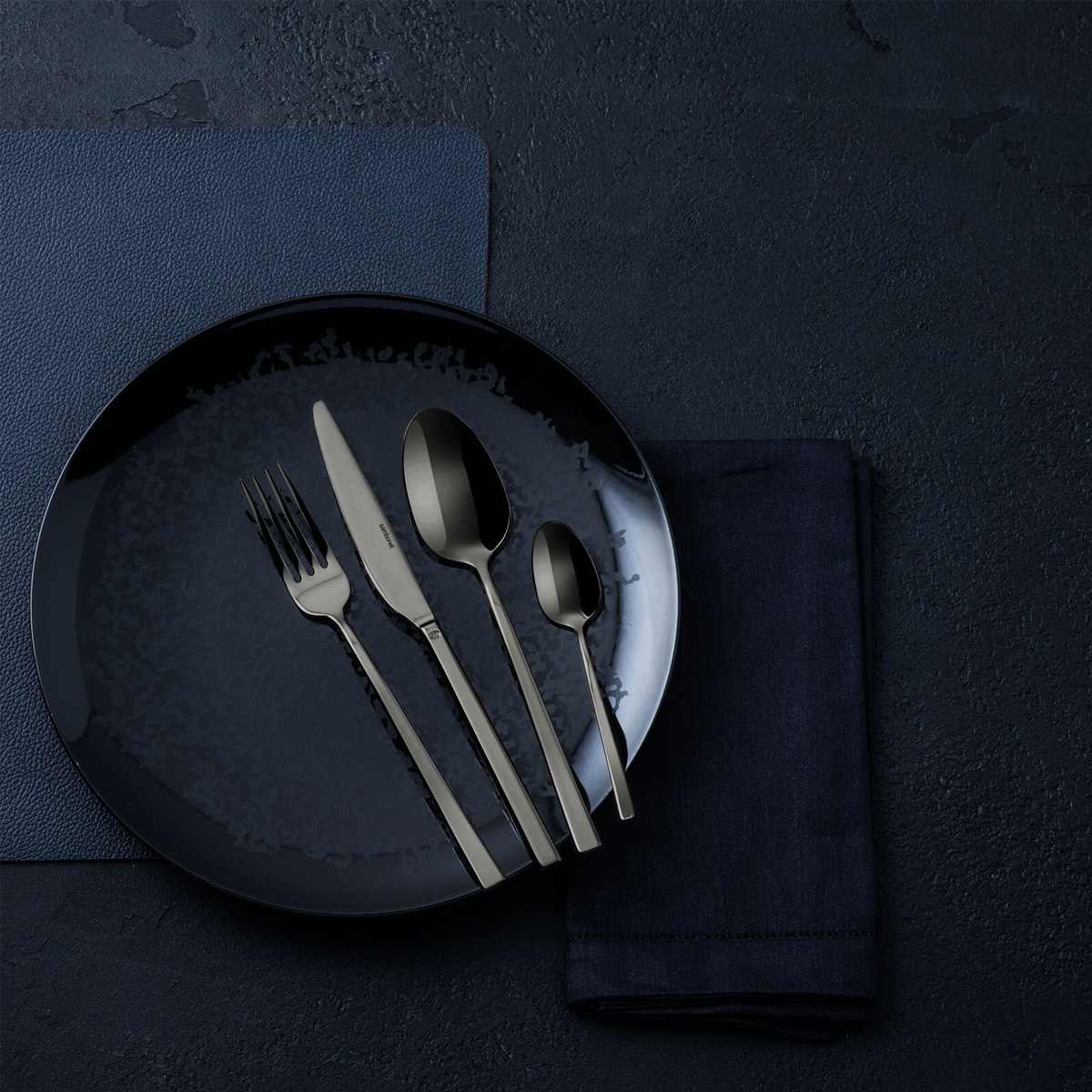
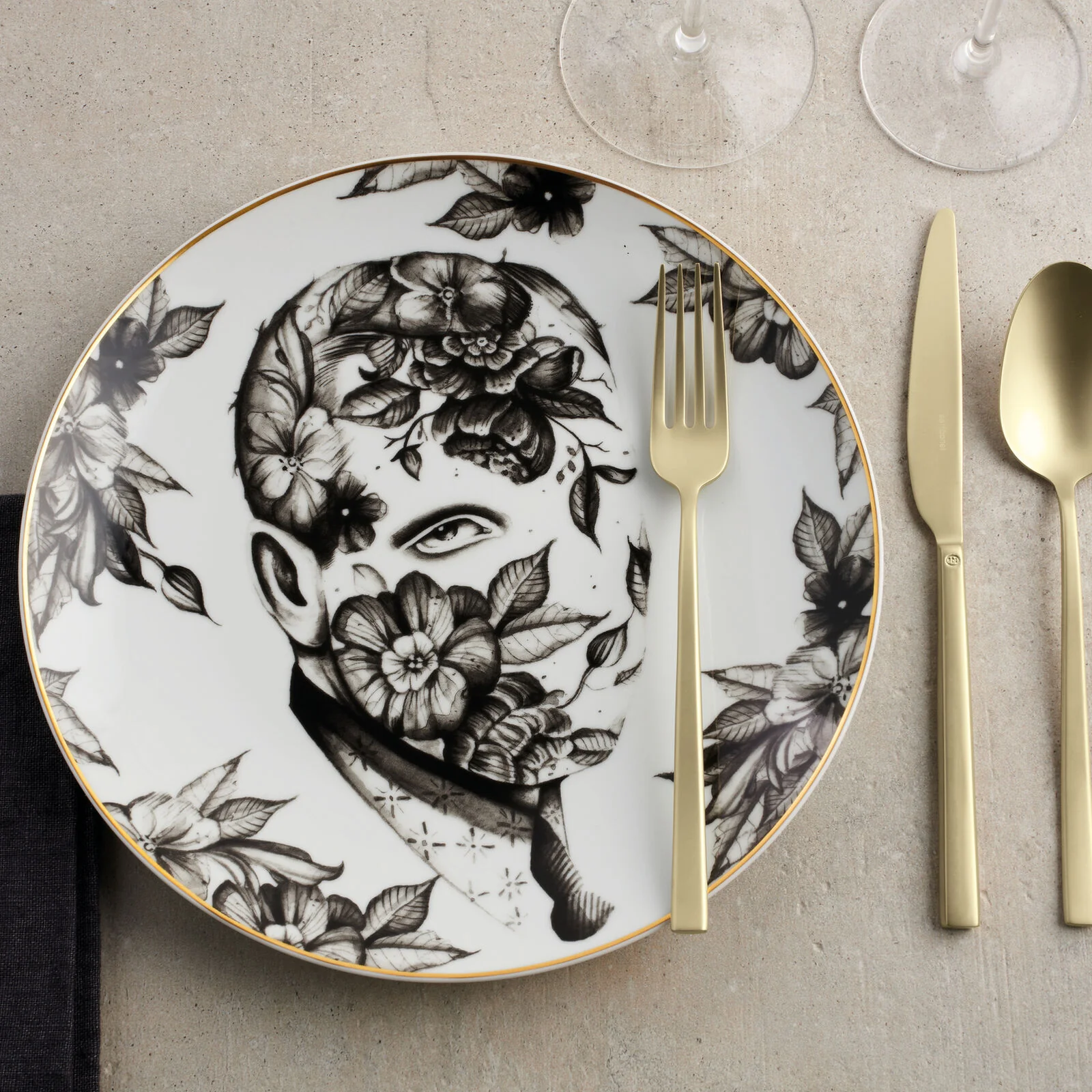
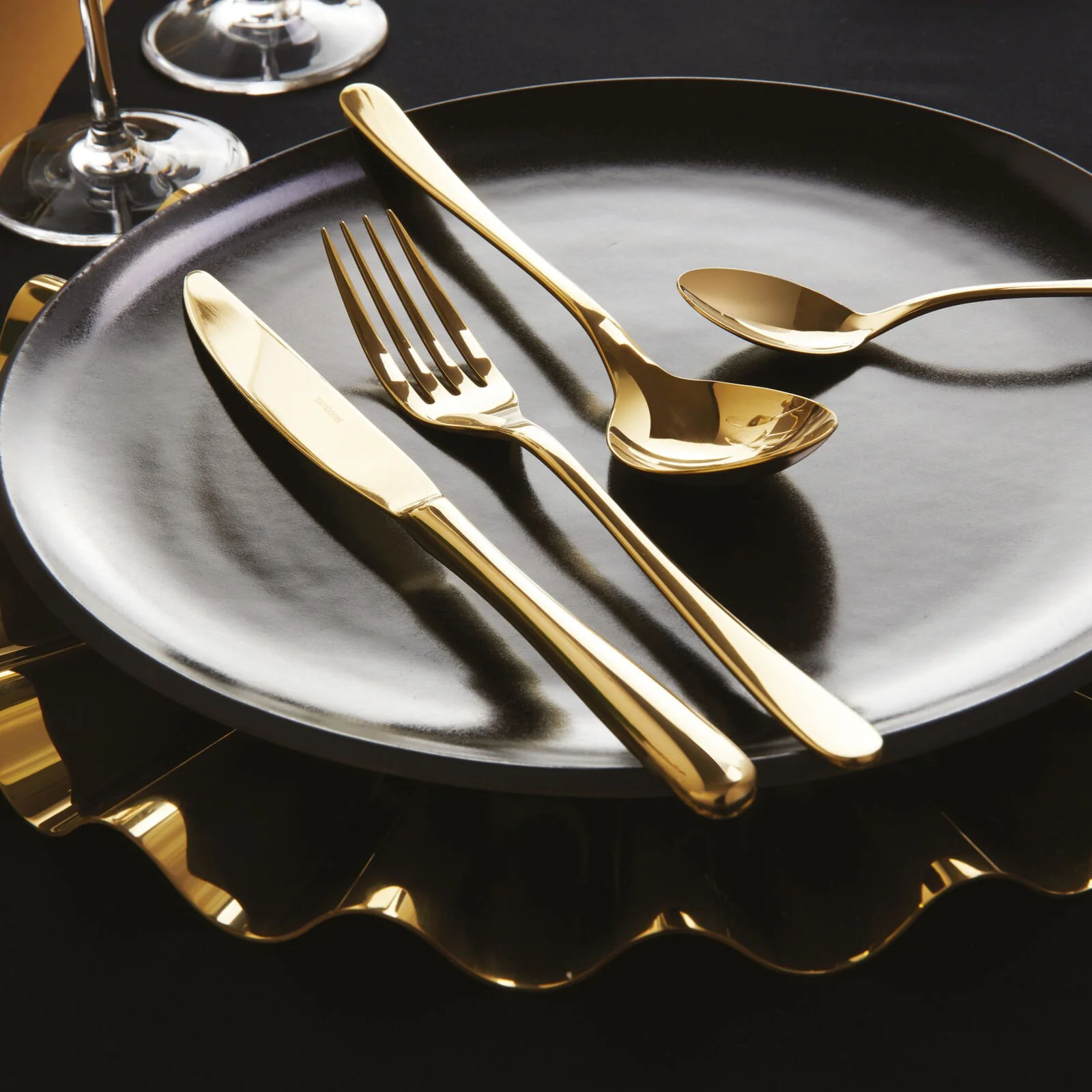
The Alchemy of PVD: Rock by Sambonet
Sambonet interprets the mixed metals trend not only through form but through technological innovation. The Rock collection stands out for a minimalist, contemporary, and squared design, but it is the finish that defines the project.
PVD (Physical Vapour Deposition) technology is the heart of this gift. It is not simple painting or plating, but a sophisticated coating process, borrowed from other industrial sectors, which fixes color particles at a molecular level directly onto the stainless steel. This guarantees a highly durable finish, resistant to scratches and with color unaltered over time. Trendy finishes like Champagne, Gold, and Black bring unexpected warmth and a luxury industrial aesthetic to the table.
Perfect for the young, modern couple, for those with a minimalist kitchen featuring brass or black details who desire a bold accent on the table.
Price: A 24-piece service in PVD Champagne finish is found at approximately €149.
The New Craft designs the future of tradition
The most precious gift is a story. That of ancient knowledge becoming contemporary, or new technology becoming poetry. Here design meets innovation.
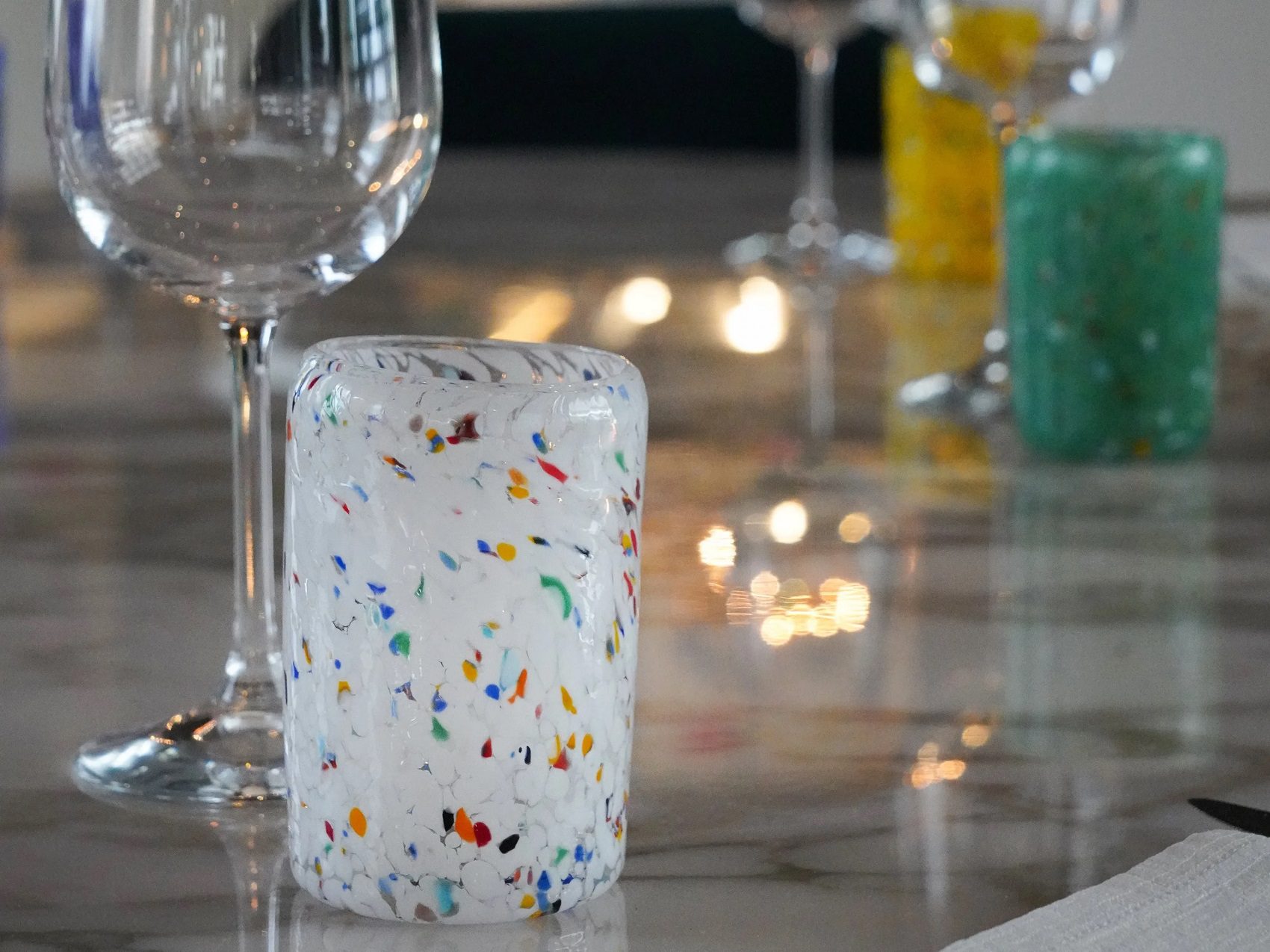
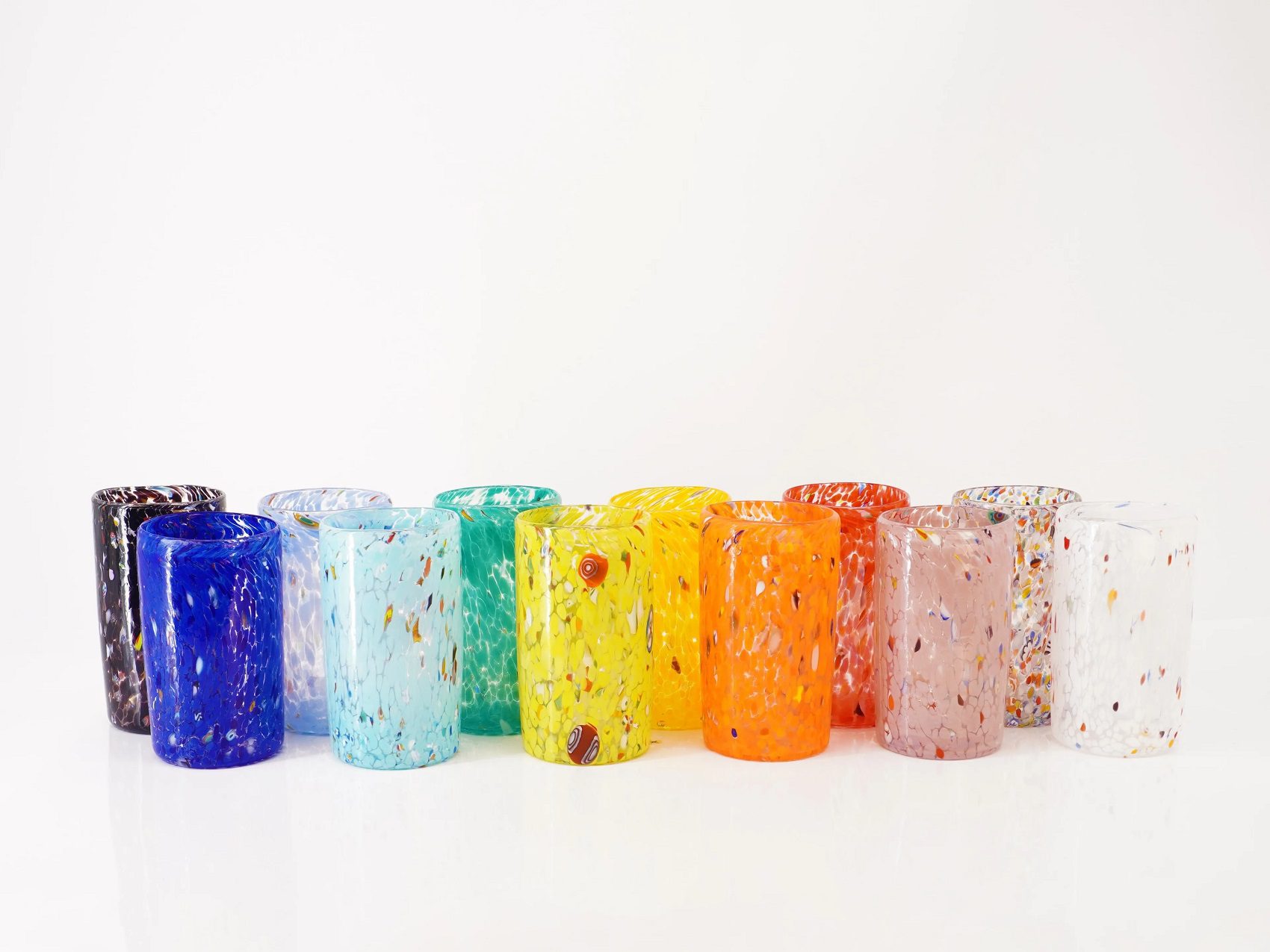
Revolutionary Glass: Go.To Cup by Wave Murano Glass
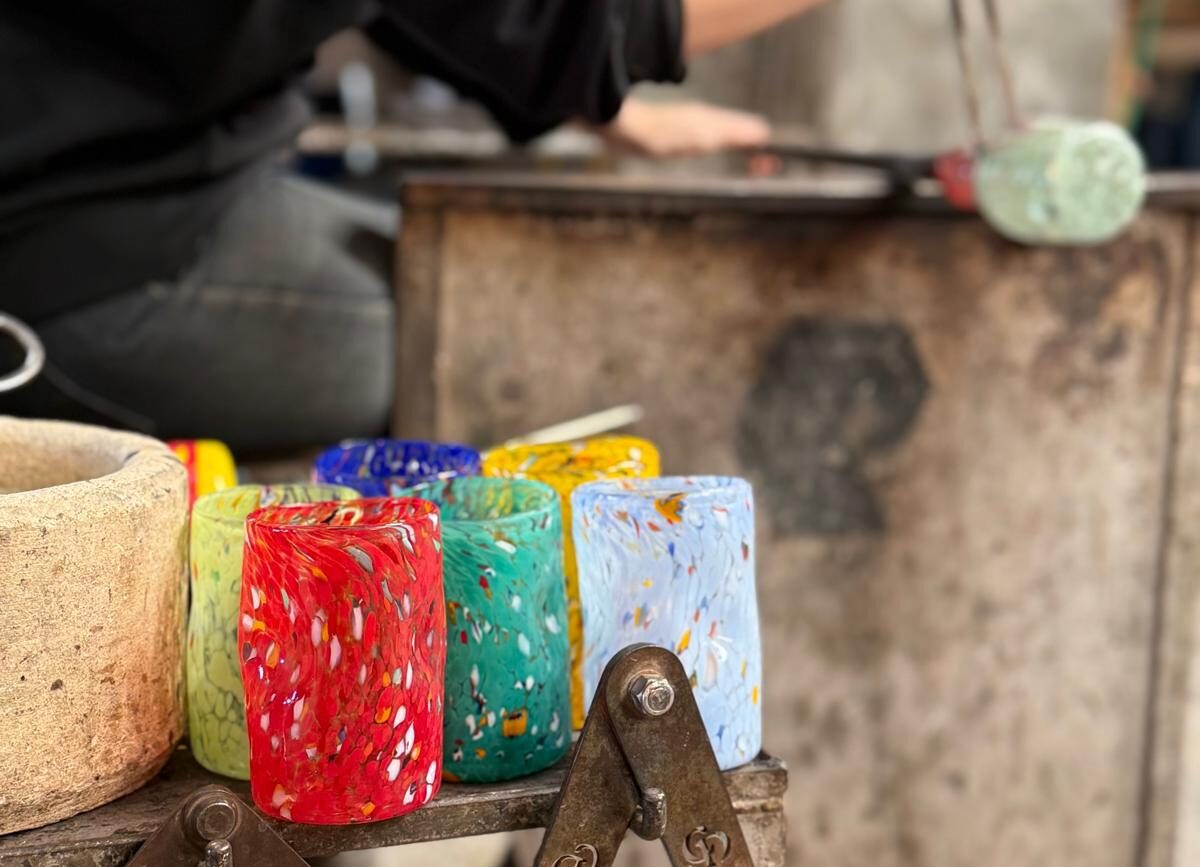
The founder of Wave Murano Glass, Roberto Beltrami, has created a collection that is a “rebellion.” The project is inspired by the goto, the personal glass that Murano master glassblowers, since the 13th century, created for themselves using glass scraps, frits, and shards, to drink a sip of water or wine near the furnaces.
Wave Murano Glass has re-engineered this historical concept. The Go.To glasses are hand-blown on the island, unique, vibrant in twelve exclusive color mixes. But—and here lies the revolution—they are also lightweight and dishwasher safe. This single technical detail resolves the centuries-old conflict between heritage and functionality that has always relegated Murano glass to a display cabinet object. It is a game-changer, similar in its disruptive vision to the brand’s collaborations with international design studios like Atelier oï.
A gift for everyone. It is the quintessential gift of democratic and intelligent design: accessible price, rich in history and charm, beautiful, unique, and incredibly functional.
Price: A single Go.To glass has a list price between €39 and €41.
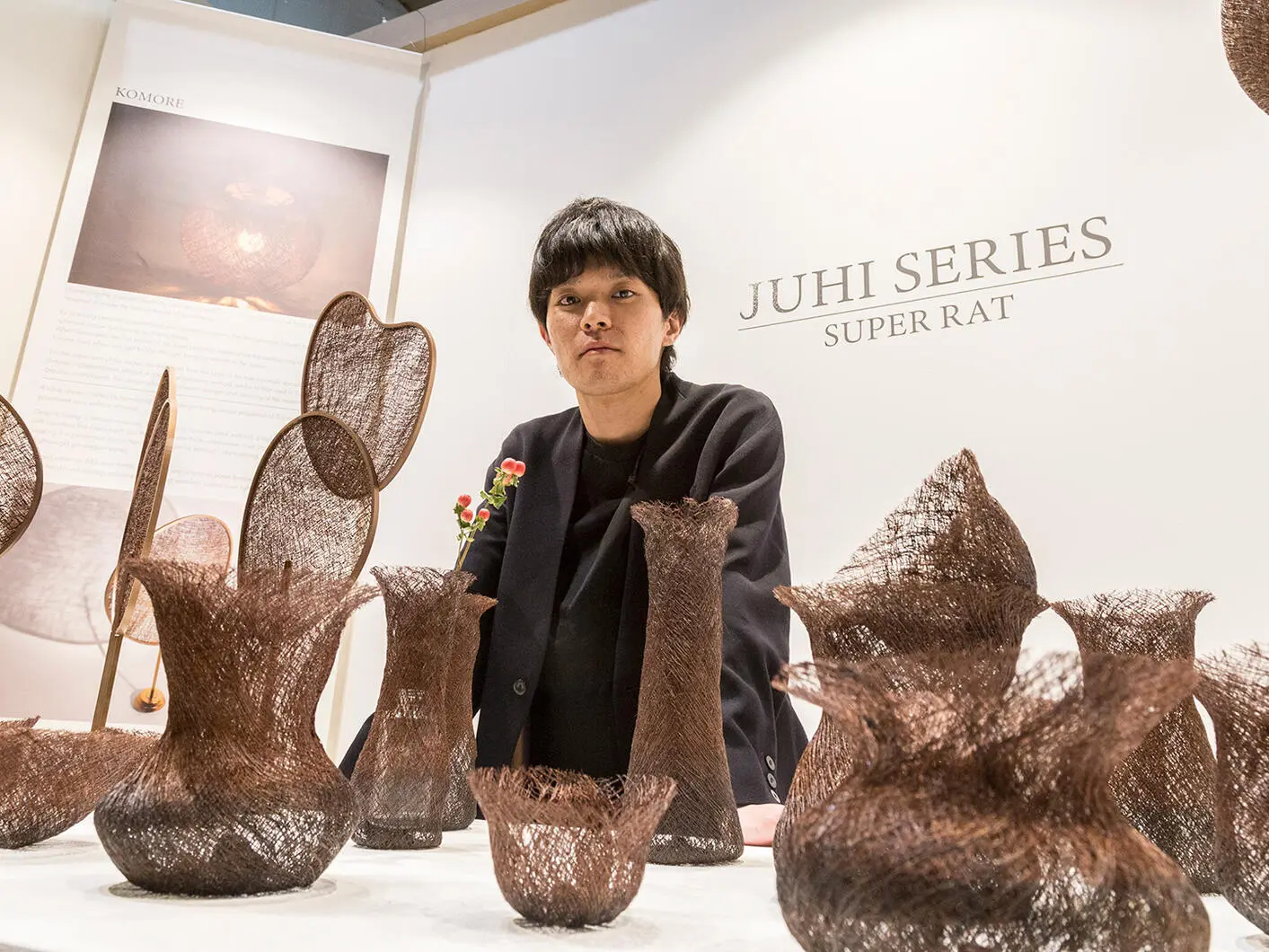
The Sustainable Archetype: Utsuwa-Juhi by Super Rat
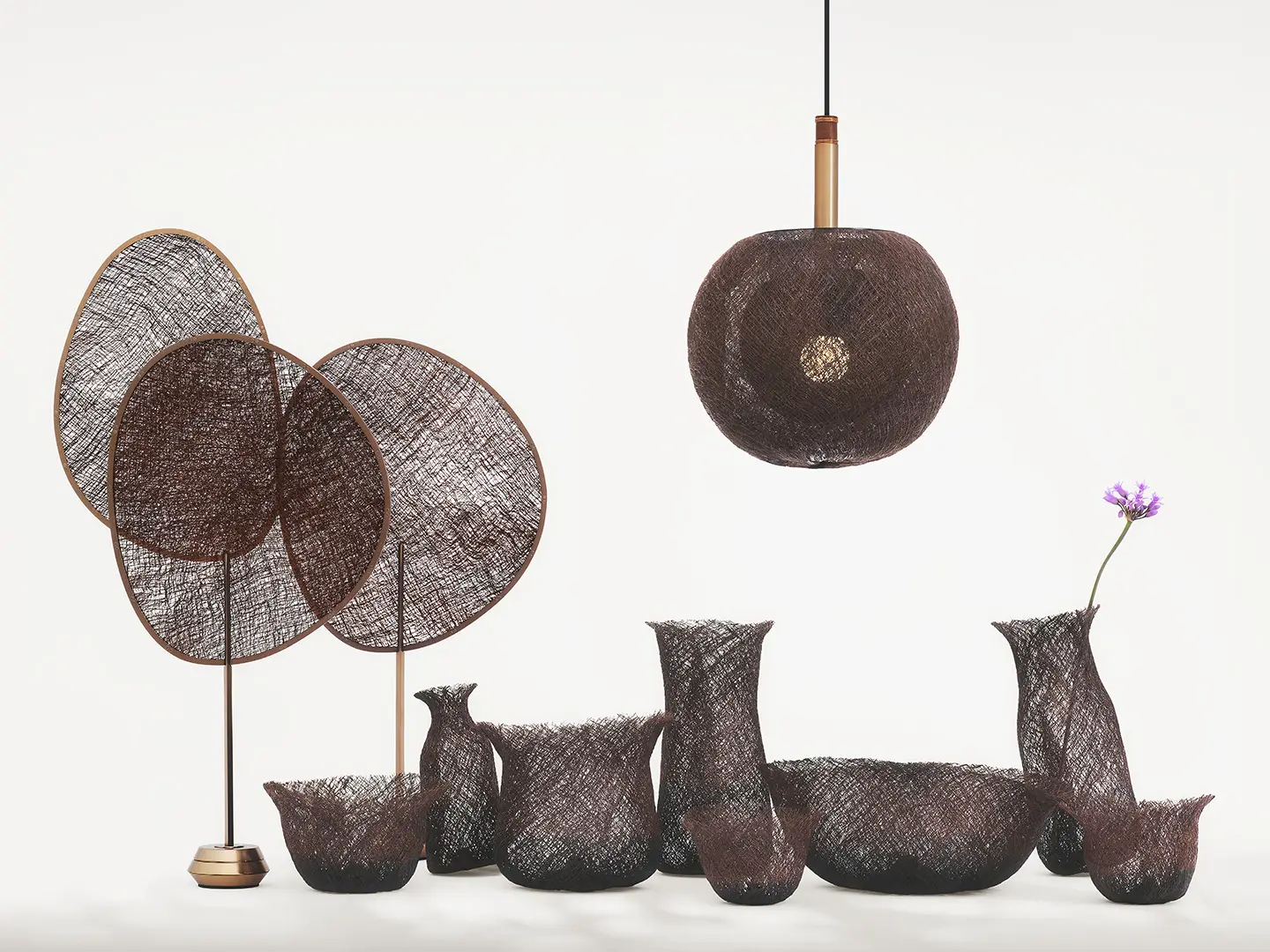
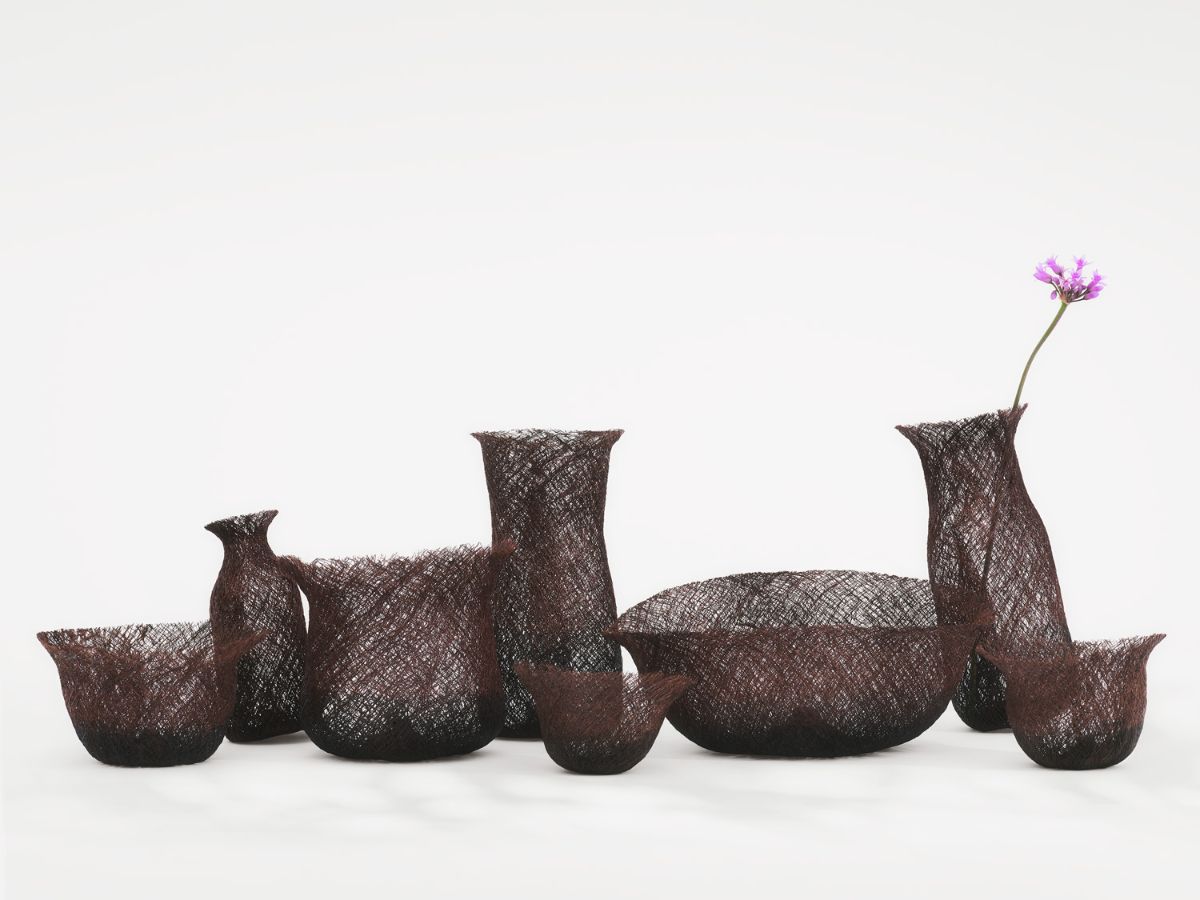
This is the manifesto-object of 2025, winner of the First Prize at the SaloneSatellite Award. The young Japanese designer Kazuki Nagasawa, founder of Super Rat, reinterprets Japanese craftsmanship with radical environmental sensitivity.
The project uses a humble material: the bark of the shuro palm (Trachycarpus fortunei), traditionally used in Japan for brooms or tawashi brushes. Nagasawa dyes this natural fiber using a traditional technique, persimmon juice, to which he adds a substance extracted from iron waste. The result is a collection of Utsuwa-Juhi vases and containers that are soft yet strong, semi-transparent, enhancing the delicate weave of the material. This project perfectly embodies Paola Antonelli‘s vision: it draws on “ancient wisdom about nature and sustainability” to create something radically new, aiming to “pass culture and history to the next generation.”
A gift for the design collector, for those seeking a unique conversation piece representing the future direction of design.
Price: On Request.
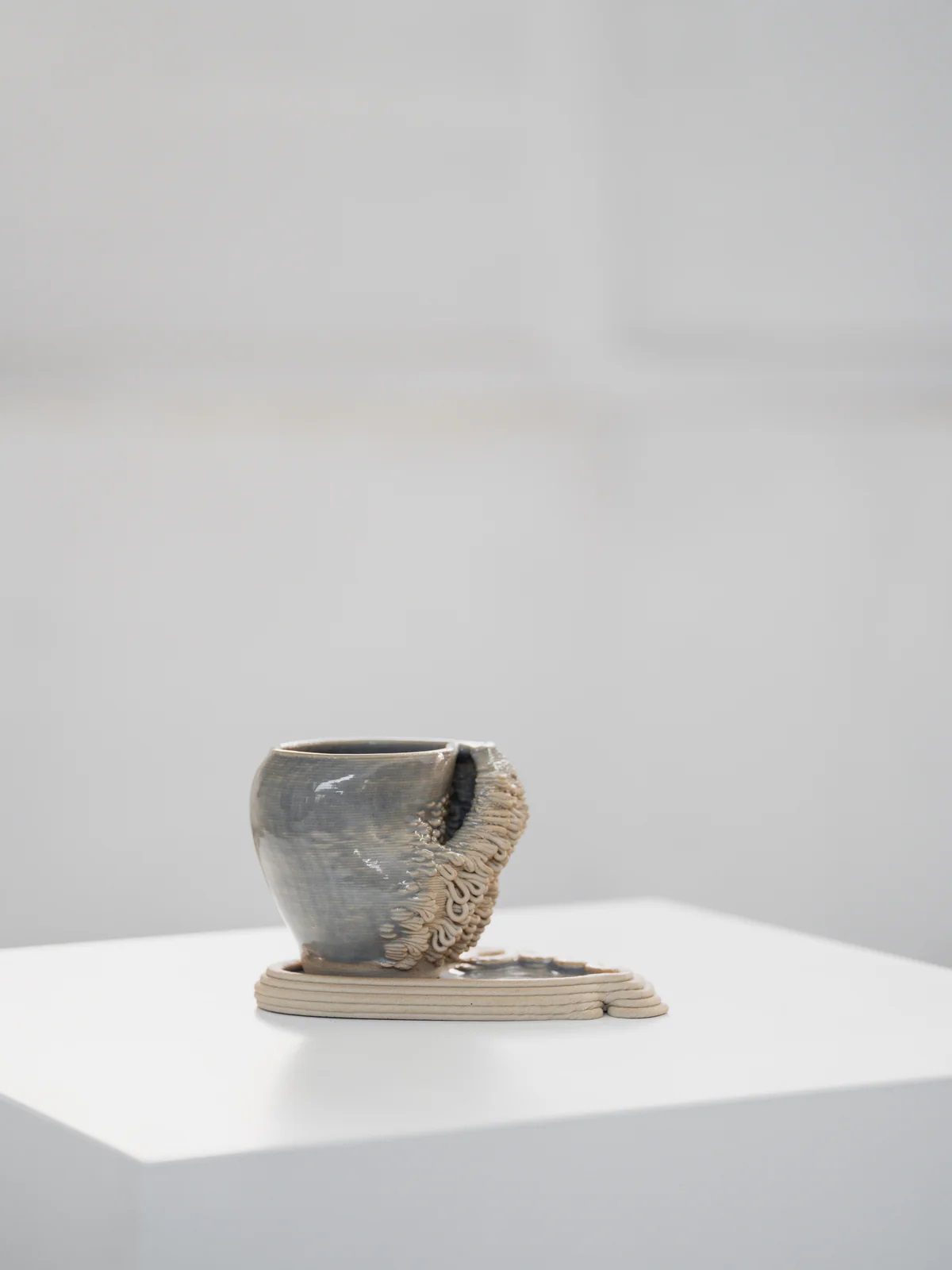
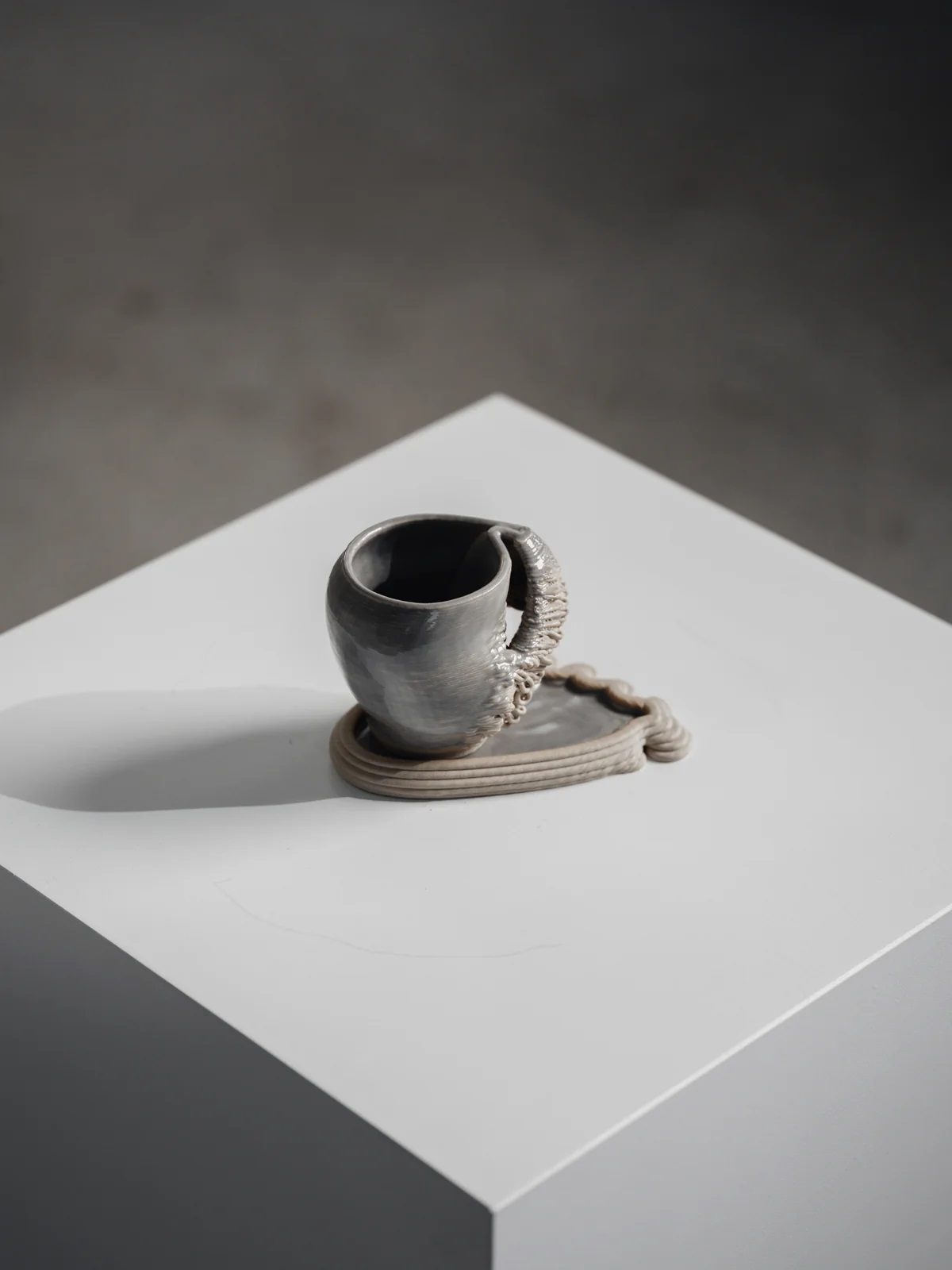
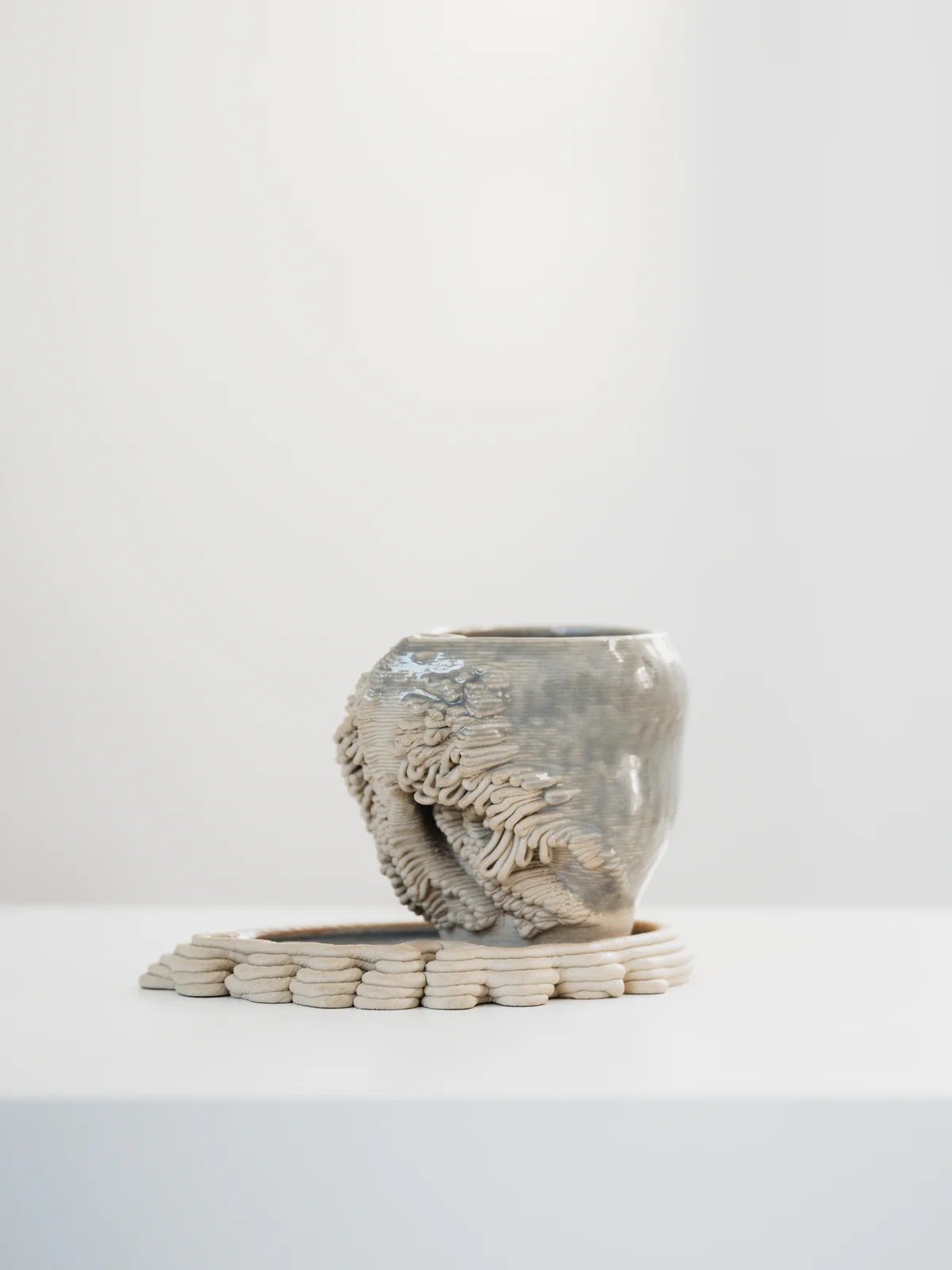
Digital Craftsmanship: Ugly Cup by cera.LAB
Also presented at SaloneSatellite 2025, cera.LAB is an Austrian collective founded by German designer Jan Contala. Their project, according to the jury, perfectly encapsulates the theme of New Craft.
The Ugly Cup and other vases in the collection blend 3D printing technology with traditional ceramic craftsmanship in an unprecedented way. Stoneware is extruded by a 3D printer to create complex, ruffled textures and organic shapes that would be impossible to achieve by hand. However, the process maintains material integrity and the sensibility of ceramics. If Utsuwa-Juhi represents the natural soul of New Craft, cera.LAB represents its technological soul. It demonstrates that technology is not the enemy of craftsmanship, but a new, sophisticated chisel to explore form, texture, and sustainability.
Designed for the tech enthusiast, the maker, the innovator, or anyone fascinated by the intersection of digital code and physical matter.
Price: On Request.