In the heart of Milan, at 52 Via Piero della Francesca—one of the city’s most authentic streets—stands RaMe, an intimate oasis in the landscape of Milan restaurants, evoking the refinement of the 1930s with a contemporary spirit. It is a place where light, materials, and Mediterranean scents do not merely fill the space but orchestrate a suspended escape from the metropolitan frenzy.
Via Piero della Francesca is a distinct urban corridor. Squeezed between the monumentality of Corso Sempione and the long shadows of the old Bullona station, this street has built a solid reputation over the years, seemingly impervious to fleeting fads. It is the Milanese ‘Petit Paris‘: low-rise early 20th-century buildings, Art Nouveau decor, and wrought iron create a visual continuity recalling the boulevards of the 16th arrondissement. It is a connective tissue of historic workshops and new ateliers, where commercial density is high but never suffocating, and where the continuous bustle of life is not frenzy, but ritual.
RaMe inherits a location steeped in memory. Number 52 was home for years to Pier 52, a temple of seafood cuisine. The neighborhood’s olfactory memory is thus already tuned to salinity and excellence. RaMe’s challenge was not to erase that past but to elevate it, shifting the axis from seafood restaurant to gastronomic salon.
Interior Architecture: A Lesson in Warmth
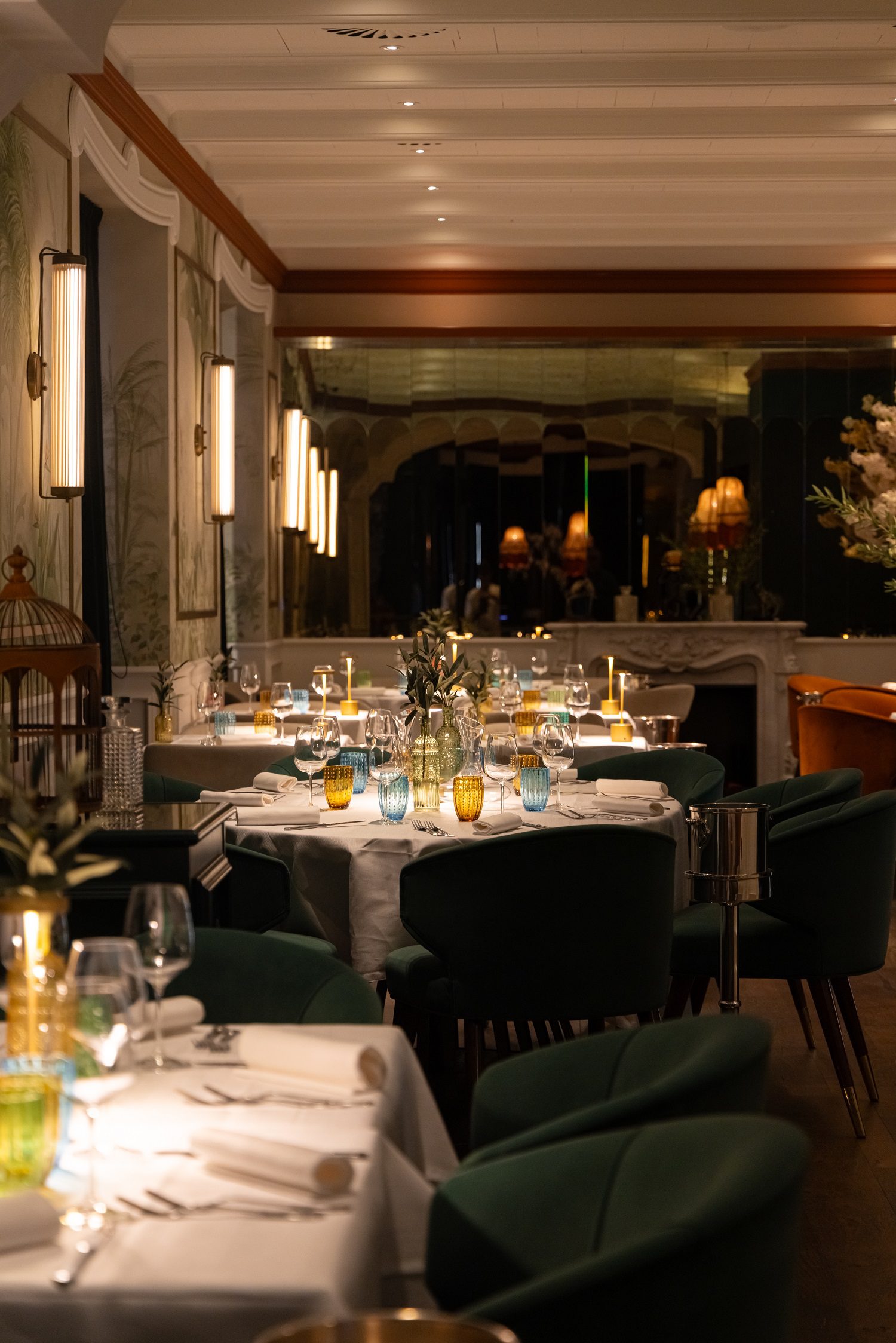
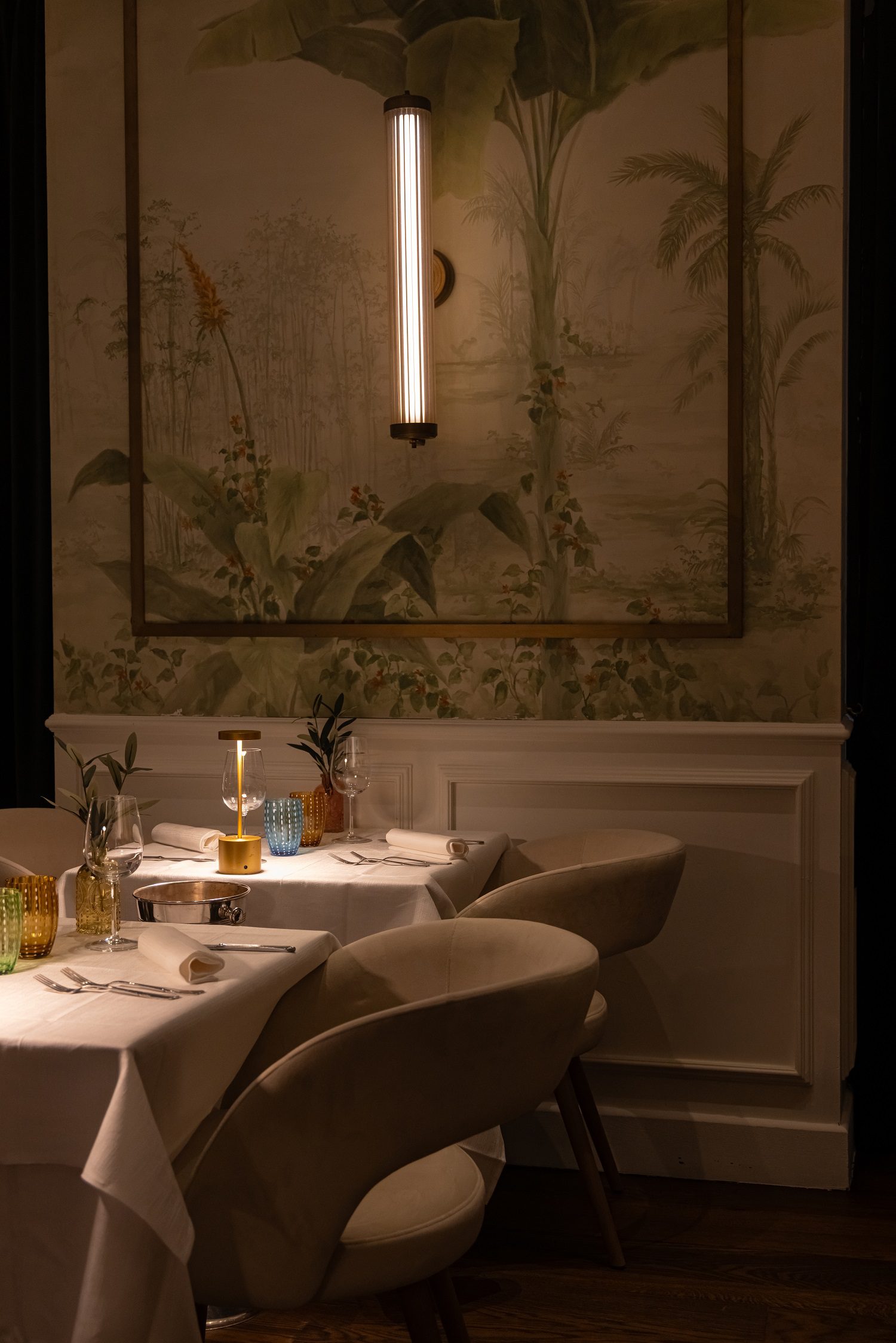
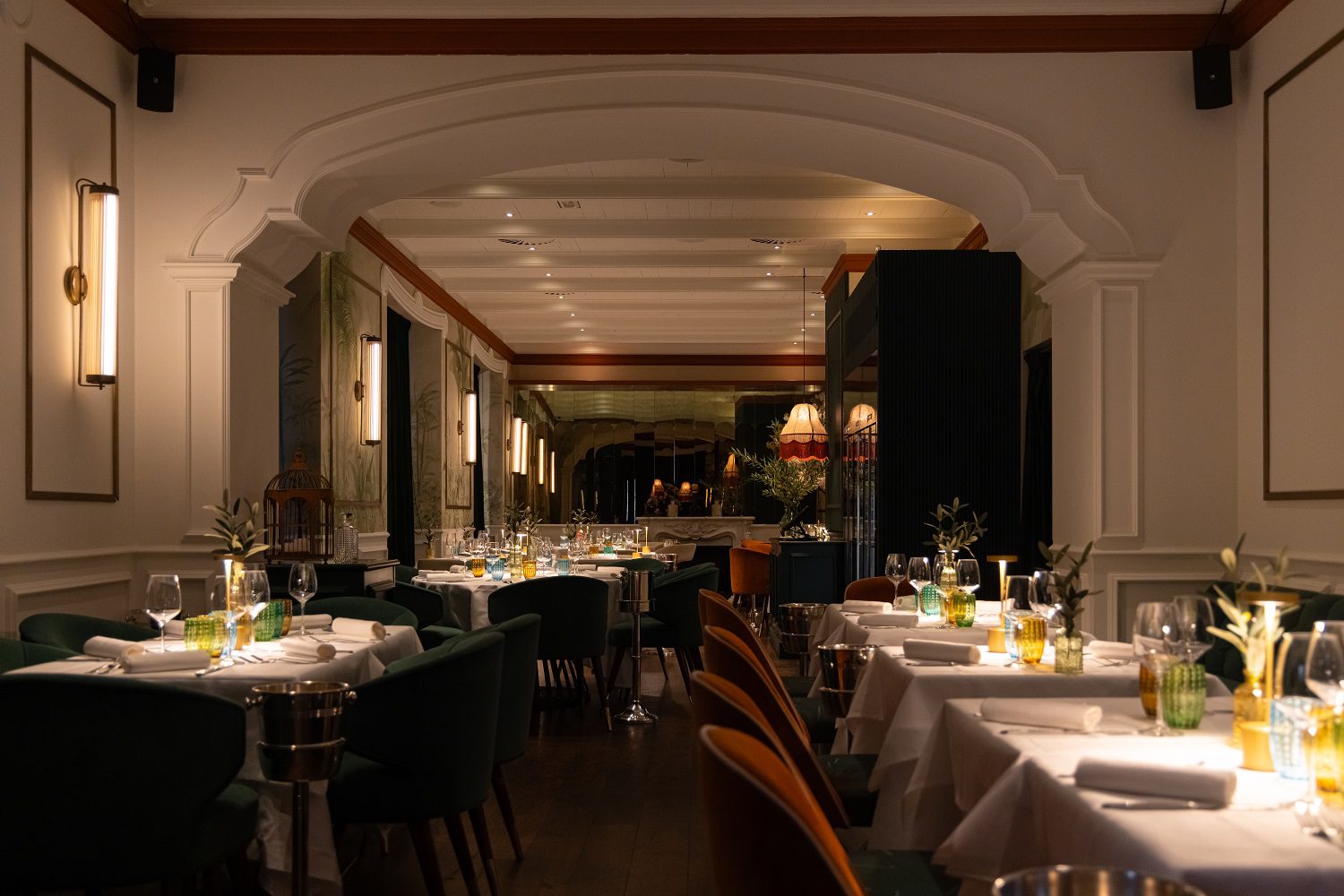
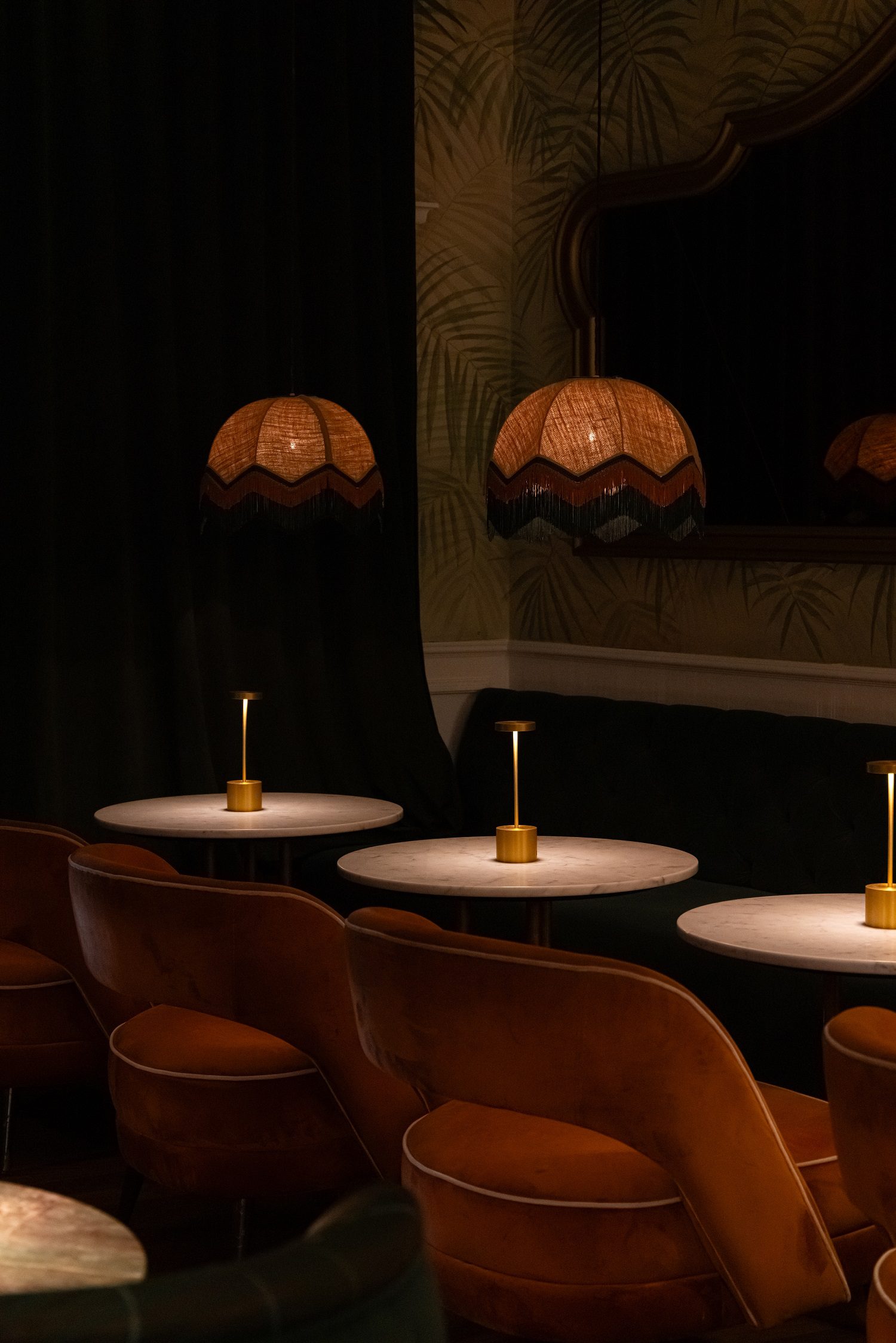
The entrance is sharp, the change of pace immediate. And yes, it is a choice that must be defended: reviving the dense, tactile aesthetic of the 1930s to answer a contemporary need for comfort and intimacy. Entering RaMe means immersing oneself in an environment where acoustics are muffled by velvet and the light does not attack, but caresses. It is a bourgeois living room flirting with old-school clubbing, a place designed not just for dining, but for lingering.
The interiors evoke the grace of classic bourgeois dining rooms, reinterpreted reinterpreted through a lens of contemporary intimacy. It is a true lesson in ‘textural warmth,’ where the chromatic palette orchestrates a whispered dialogue between sage green, coral, and burnished brass, warming the wooden floors. Dark paneling and drapes wrap the room like a velvet glove, while the wall decorations, with their stylized exotic gardens, open dreamlike glimpses. Every detail, from the soft lighting to the spatial layout, is an invitation to slowness, accompanied by a soundtrack sliding between jazz, swing, and soul from the ’20s to the ’70s: a discreet rhythm that envelops the senses without ever overpowering.
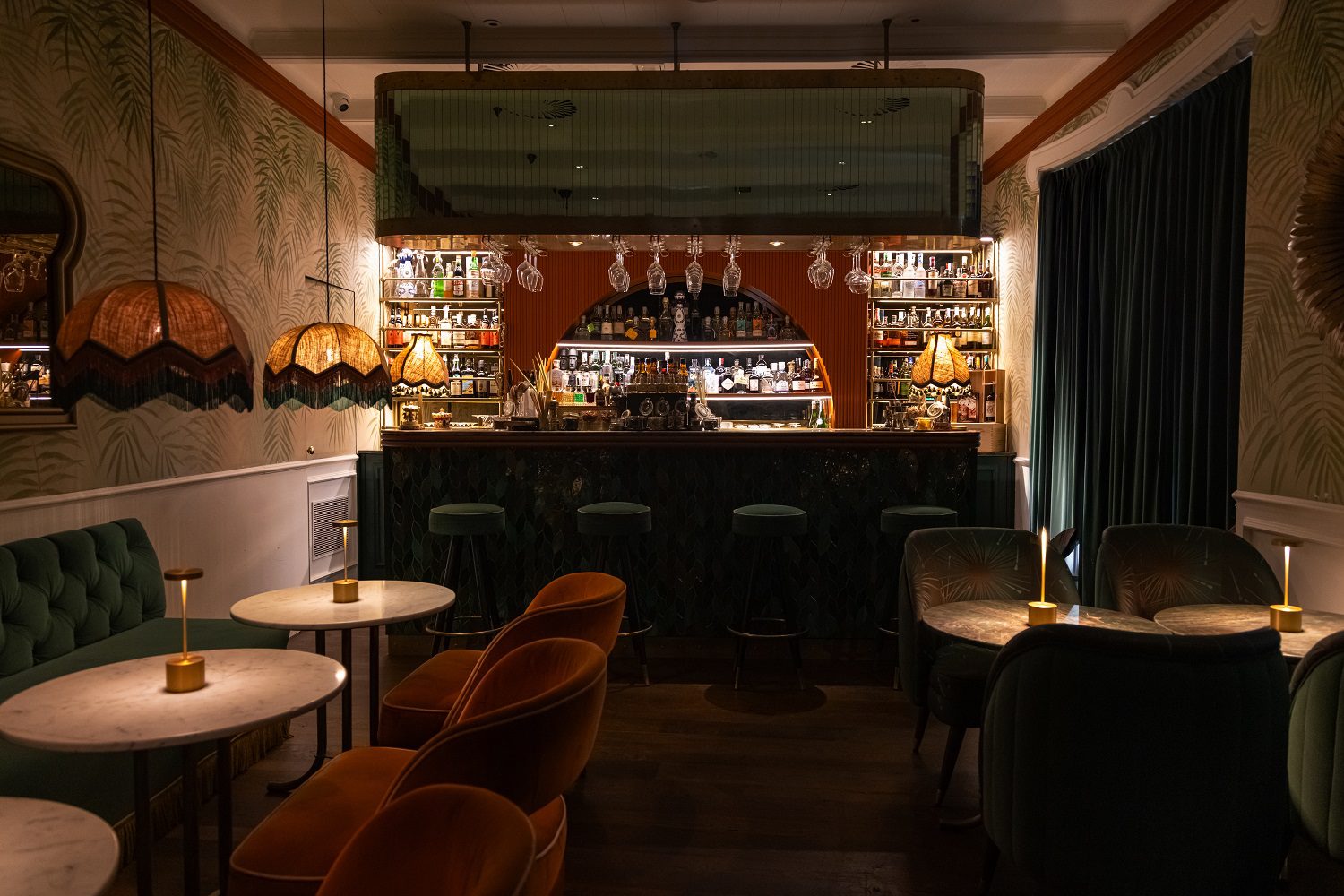
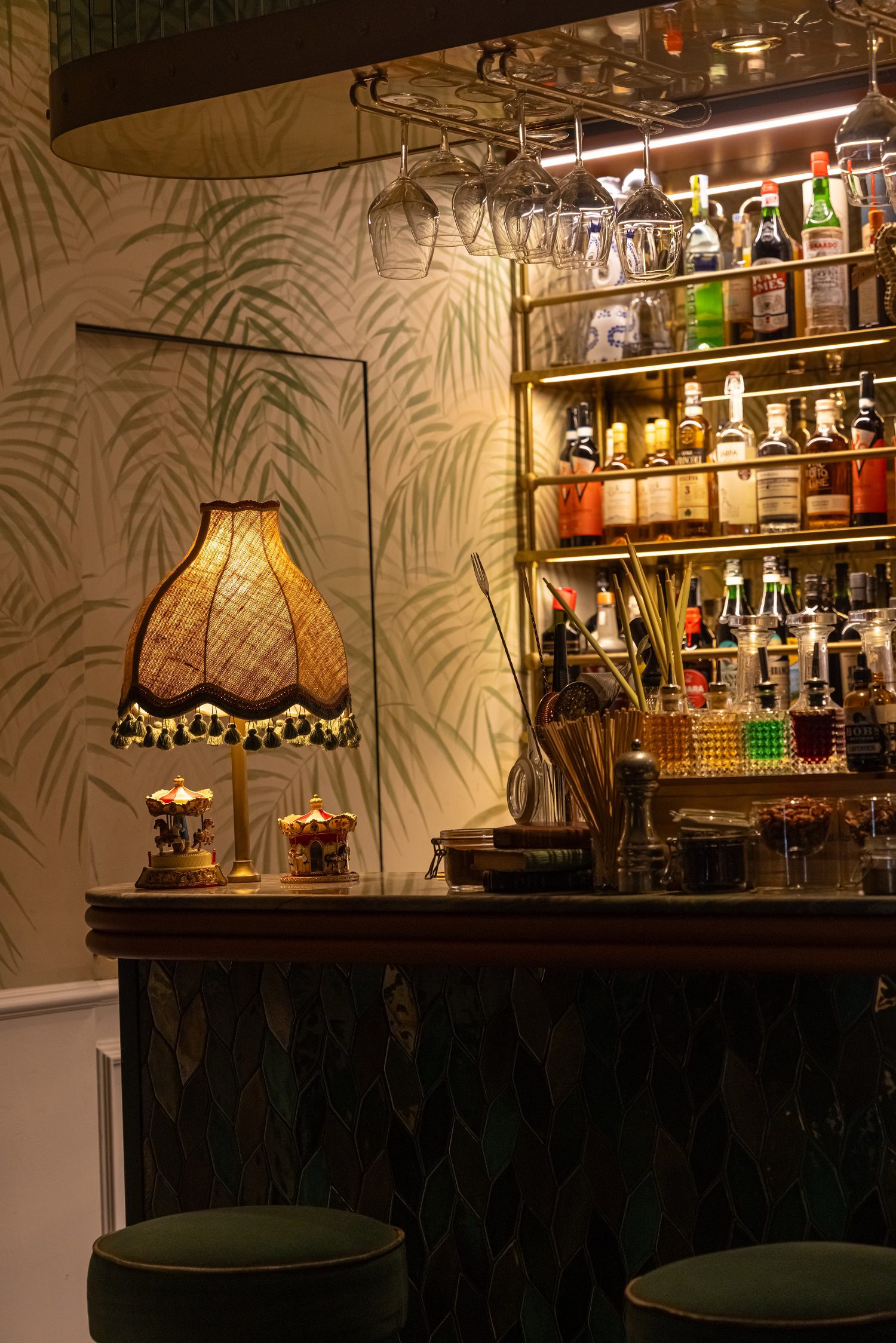
In the center of the space, the bar counter becomes the luminous heart of the bistro: clad in bottle-green ceramics with iridescent reflections and framed by a retro arch, it is a homage to the Golden Age of mixology and the symbol of RaMe’s soul—a meeting point of craftsmanship, design, and conviviality. It is here, amidst the clinking of ice and the measured gestures of the barmen, that the ritual of the aperitif or post-dinner drink comes to life.
The Cuisine: The Mediterranean Tale
Once seated, the moment of truth arrives: the kitchen. Leading the brigade is Executive Chef Pietro Surfaro. His is a ‘True Cuisine’—a slippery term that often hides banalities, but here seems to rediscover its etymological sense: respect for the truth of the raw material.
The menu—‘Racconto Mediterraneo’—avoids the trap of generic fusion to focus on the verticality of Italian flavors, with targeted forays into regional tradition and a nod to the location’s glorious past: seafood.
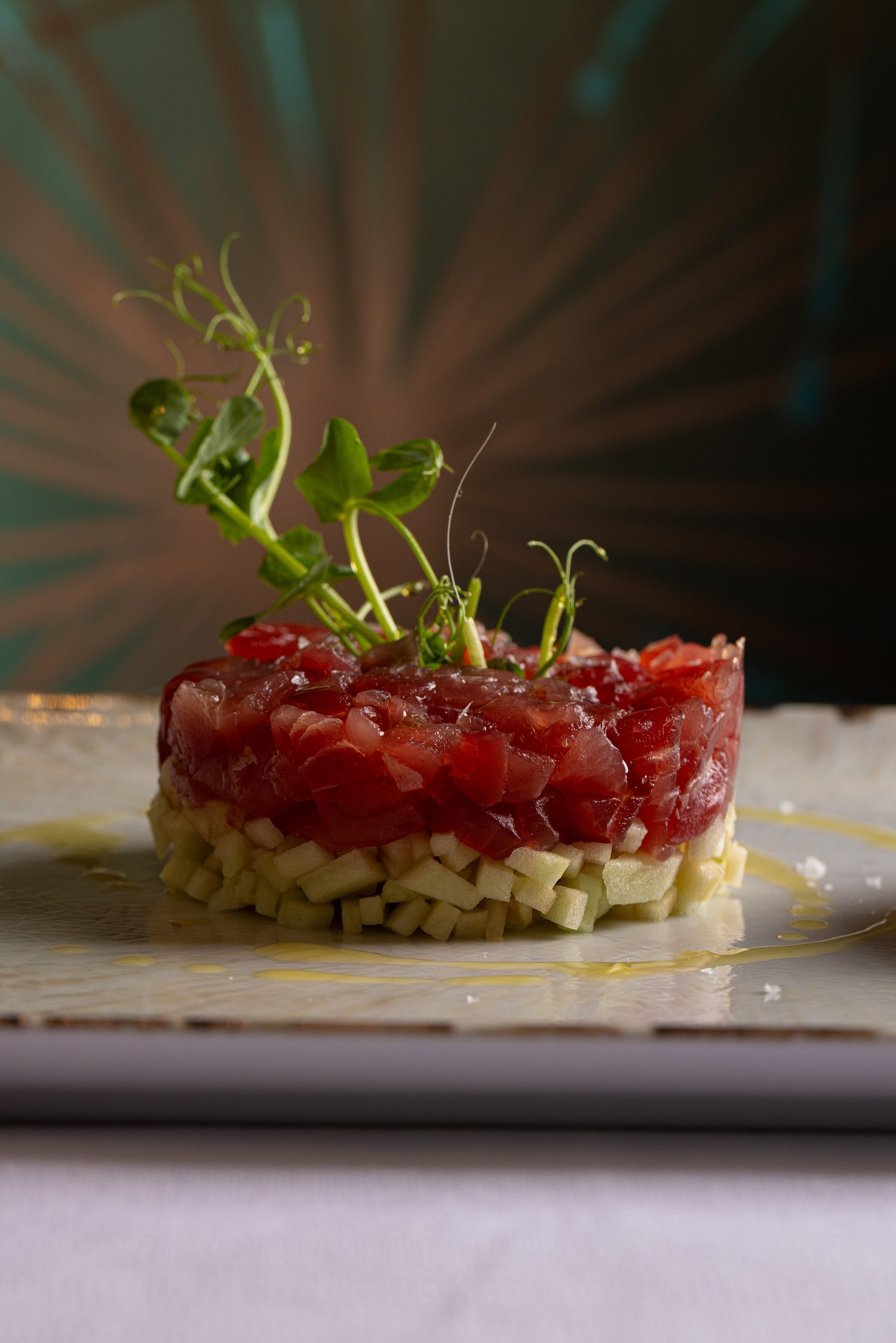
The journey begins almost obligatorily with Raw Seafood. In an address that carries the legacy of Pier 52, freshness is not a boast, but the essential starting point. The bar is set high. Scampi, red prawns, oysters: there is no manipulation, only presentation. It is the raw material that speaks.
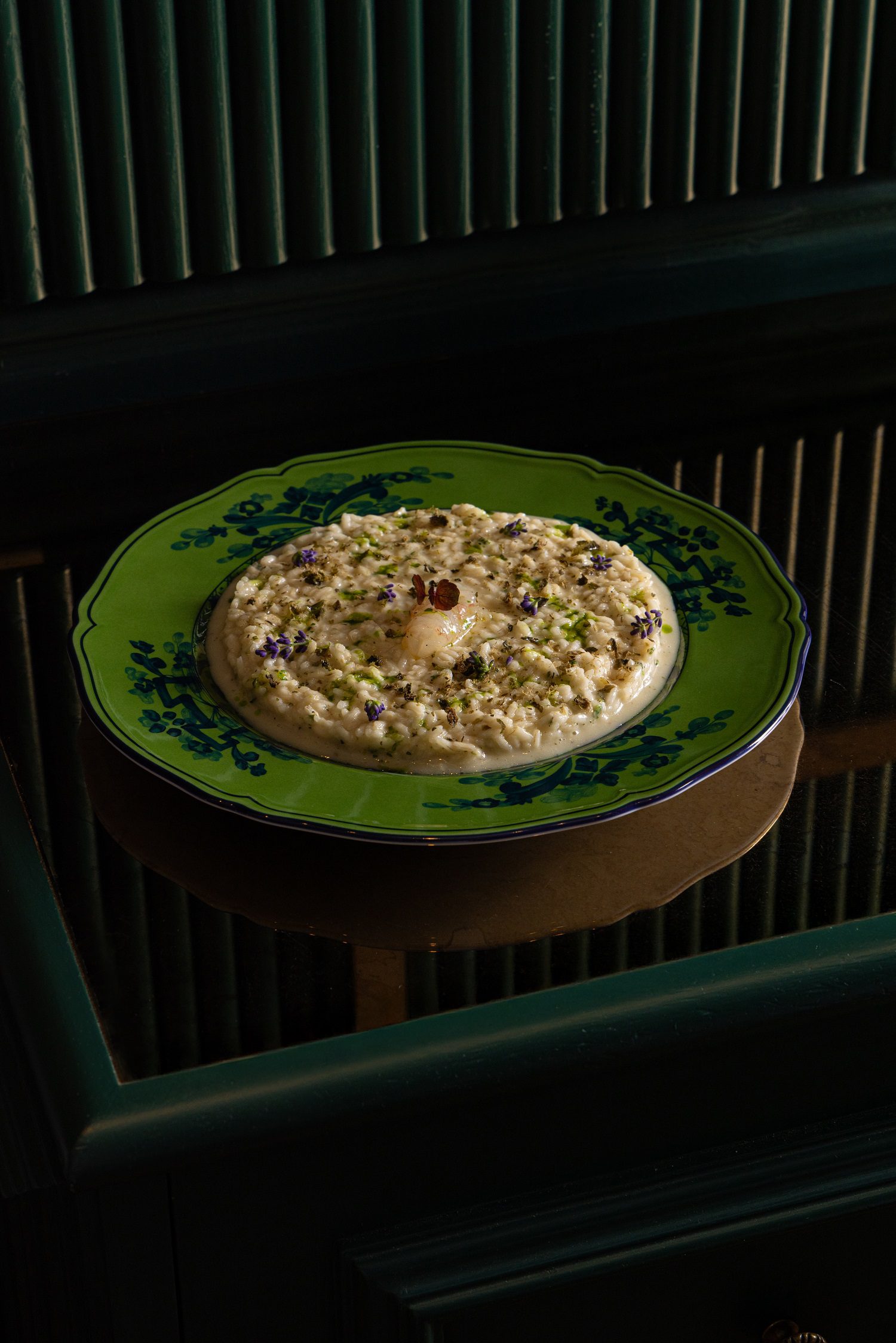
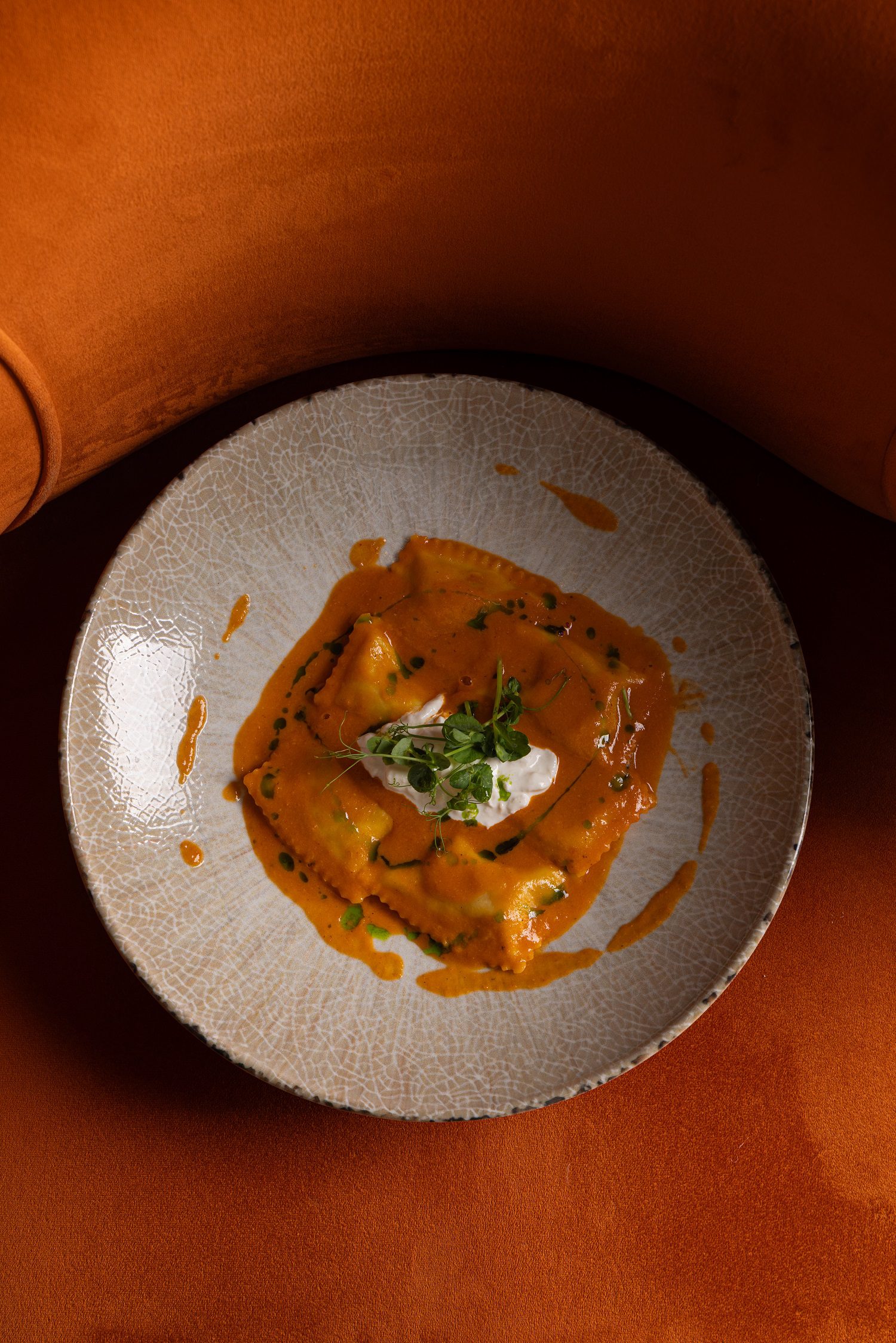
Among the first courses, the Lobster Raviolo on bisque and smoked stracciatella stands out: the fresh 30-yolk pasta, hand-rolled, encloses a sweet and savory heart, balanced by a bisque that is an authentic concentrate of umami. But it is perhaps in the Linguine with Clams, Calamaretti, and Bottarga that the chef’s southern soul truly emerges. An apparently simple dish, where errors are not forgiven.
Among the main courses, the Turbot with Jerusalem Artichoke Cream is a highlight. The noble fish par excellence meets the artichoke and hazelnut nuances of the Jerusalem artichoke (topinambur), interpreted here in dual textures: a velvety cream at the base and crispy chips to finish. The dish is completed by the meatiness of the roasted Cardoncello mushroom.
The Wine List: A Liquid Atlas
To accompany such an identity-driven menu, the wine list refuses the logic of encyclopedic accumulation to embrace an almost editorial curation. There is no desire to stun the customer with a thousand references, but to guide them on a precise journey through elective territories.
The Bubbles selection is a declaration of intent. It starts with the great Champagne Maisons—Krug, Dom Pérignon, Ruinart—indispensable presences, but the challenge is immediately played at home with disarming lucidity. Italy answers blow for blow: the presence of Alta Langa by Borgo Maragliano and Trento DOC shows character, while Franciacorta reaches its apex with the Cuvée Annamaria Clementi by Ca’ del Bosco, a label that fears no comparison with its cousins beyond the Alps.
The chapter on Whites is perhaps the most fascinating for its ability to narrate Italy. There is a clear predilection for Alpine “verticality”: Alto Adige rules with selections like Sanct Valentin by St. Michael-Eppan and Nussbaumer by Tramin, Gewürztraminers that are monuments to longevity. But the list also travels downstream: from the masterful Friuli of Vie di Romans to the Marche, where the Verdicchio Riserva by Villa Bucci stands out, a white with the structure of a red, capable of defying time. Transversal great names are present, with Gaja’s footprint found from Piedmont to Etna.
On Reds, the compass points decisively towards certainties. Tuscany fields its iconic “Super Tuscans” (Sassicaia, Tignanello) to satisfy the international clientele, but it is interesting to note how the list intelligently explores the south. Alongside the great Barbarescos, Mediterranean pearls appear, such as the Furore Rosso by Marisa Cuomo, a heroic wine from the Amalfi Coast that dialogues perfectly with the bistro’s soul. It is a solid list that speaks of territories and hands that work the land, where value lies not in the number of pages, but in the coherence of the choice.
The Final Ritual: Desserts and Mixology
Do not leave before dessert. The Espresso Tiramisù is assembled tableside: watching the mascarpone cream cascade softly onto coffee-soaked ladyfingers transforms the wait into mouth-watering anticipation, bringing a timeless ritual back into the dining room. A refined alternative is the Zabaione with Iced Raspberries and Meringue Crumble: a revisited retro classic, essential and perfect.
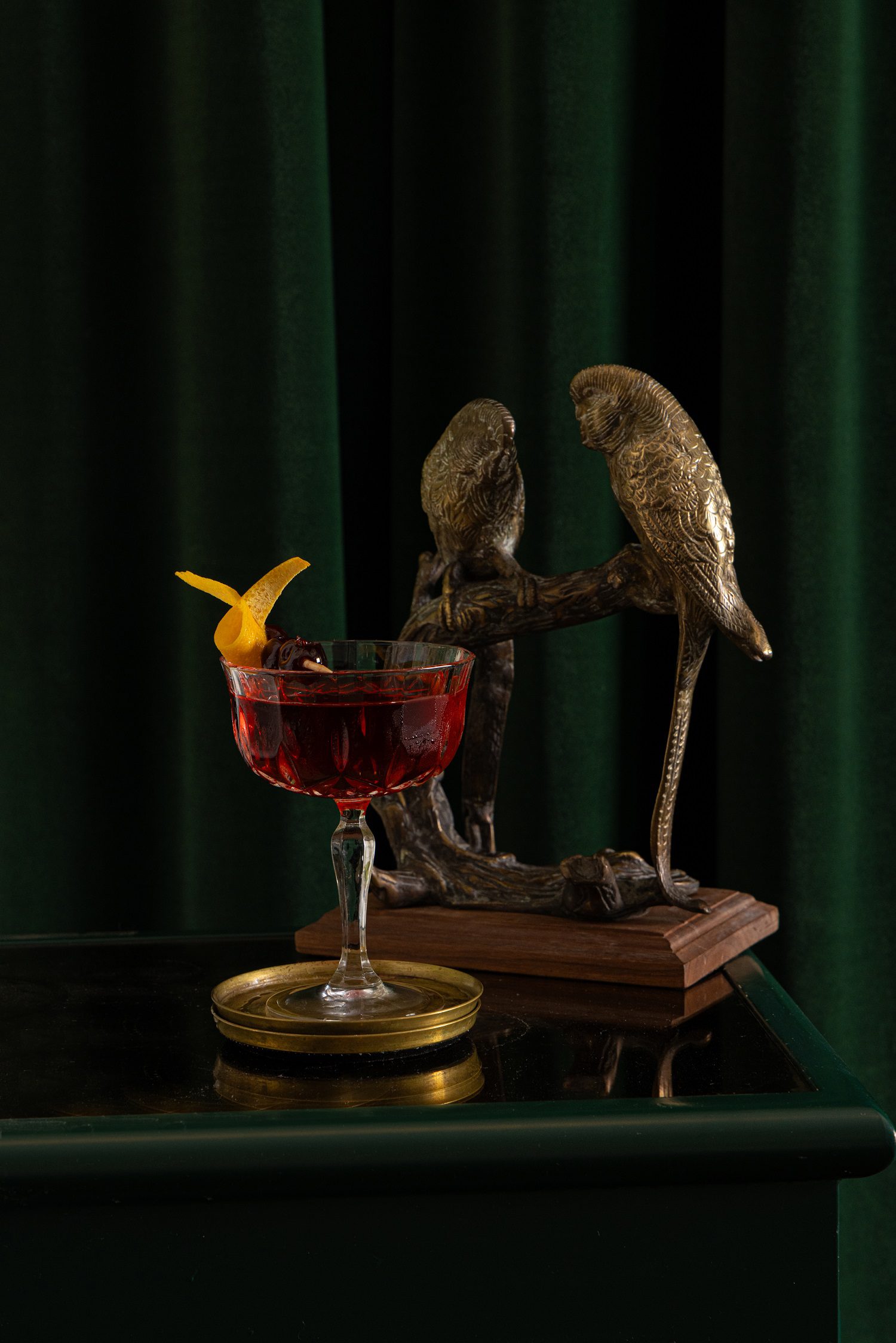
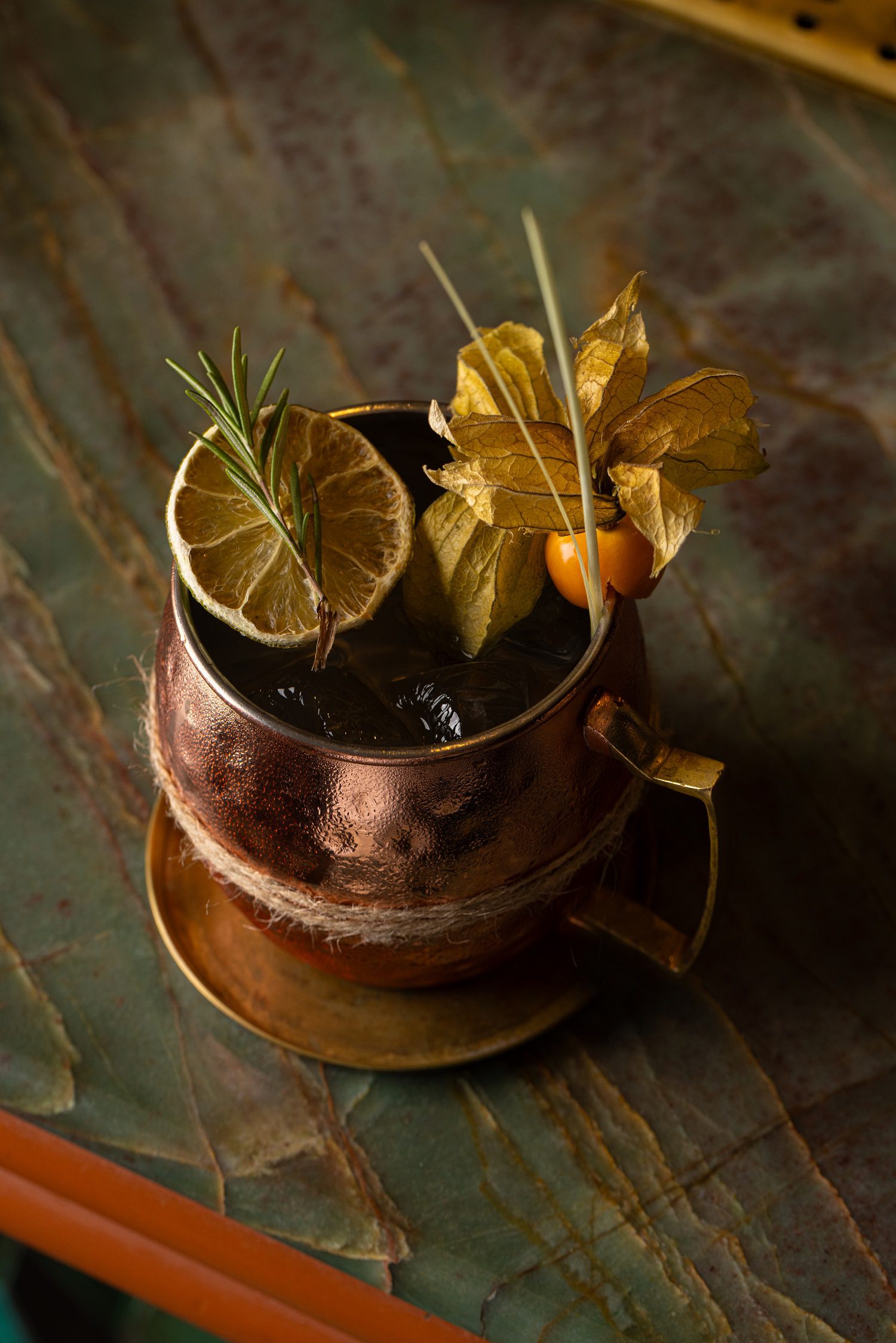
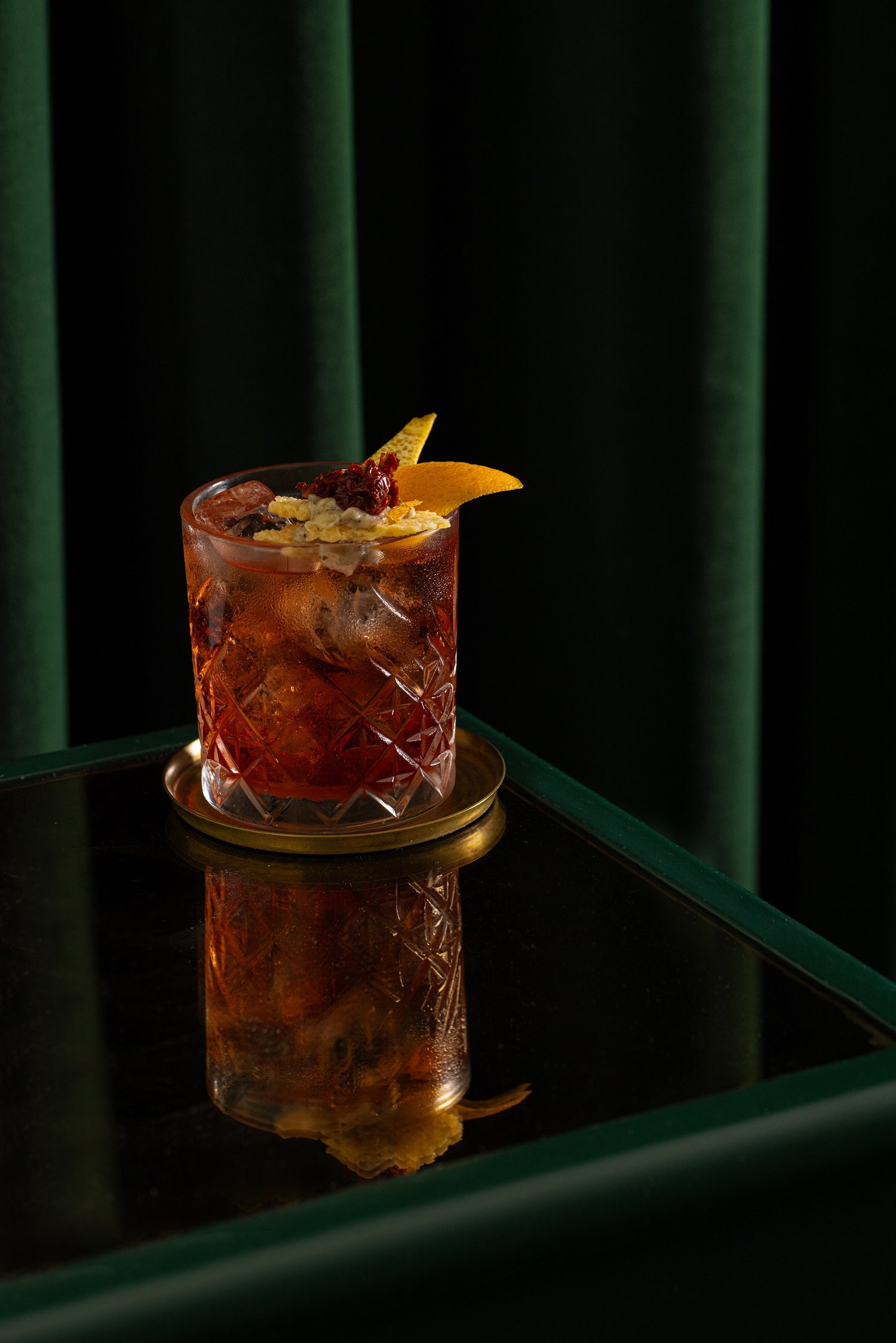
And to close, or to start again, one returns to the emerald green counter. The drink list is an extension of the kitchen. The Smoked Martinez is an olfactory experience; the use of smoking adds a dimension that prepares or closes the palate with woody notes. The Old Secret Soul (Peated Whisky and flambé cinnamon) is pure theatricality. For those seeking freshness, the RaMe Signature (Lime, ginger, and basil) is the liquid botanical link to the Mediterranean kitchen.