In the heart of Milan’s design district, a sophisticated enclave redefines the connoisseur’s experience. 18,000 bottles, a bespoke cigar room, and the tactile rigor of SchönhuberFranchi glassware transform the act of drinking into a calibrated aesthetic ritual.
In a city defined by frenetic motion and scheduled slots, true privilege is the ability to pause. Located between Viale Majno and Via Morelli in the vibrant Porta Venezia district, Remedy has established itself not merely as a wine bar, but as a sophisticated cultural hub for the preservation of taste.
A Counter-Narrative to the Urban Rhythm
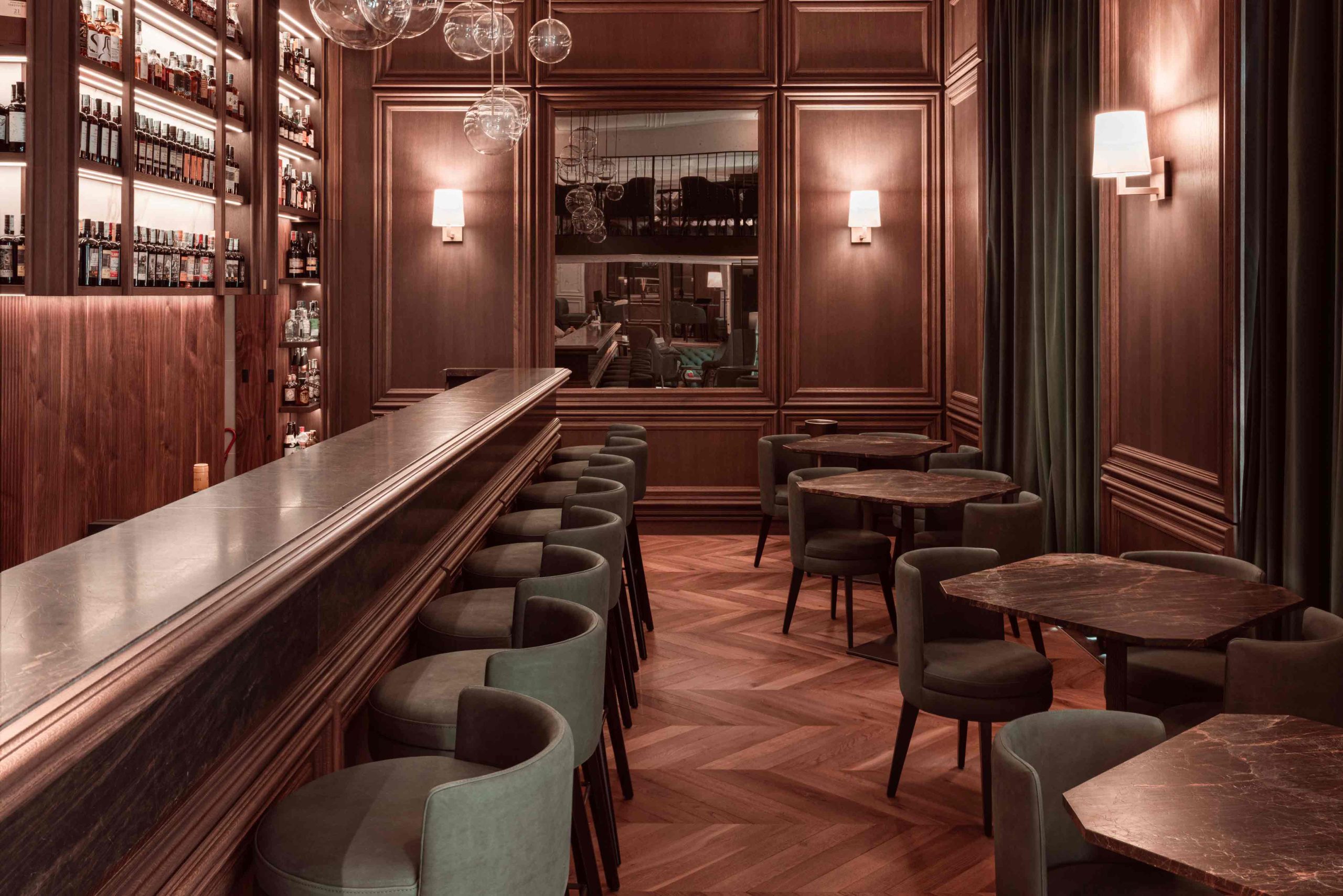
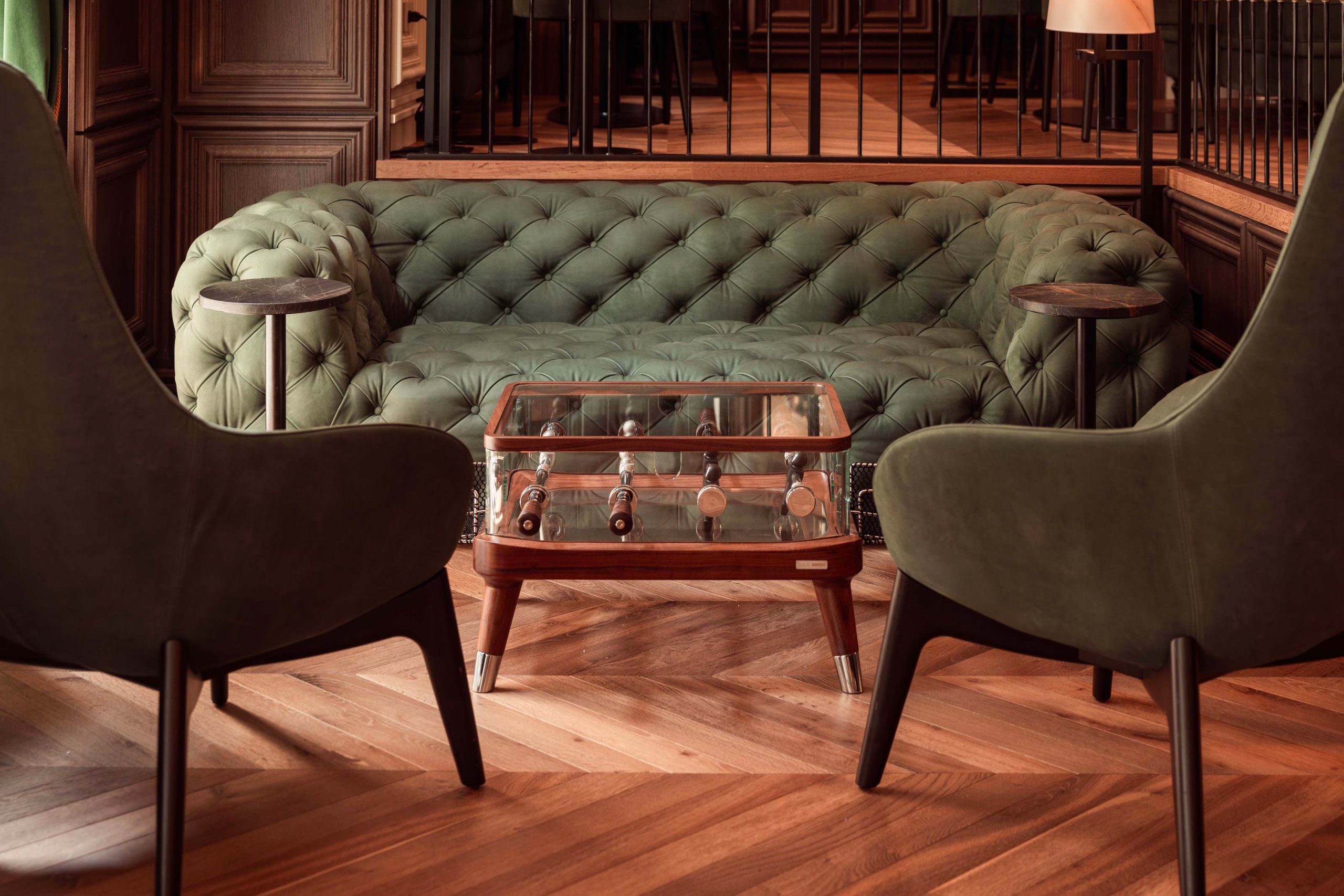
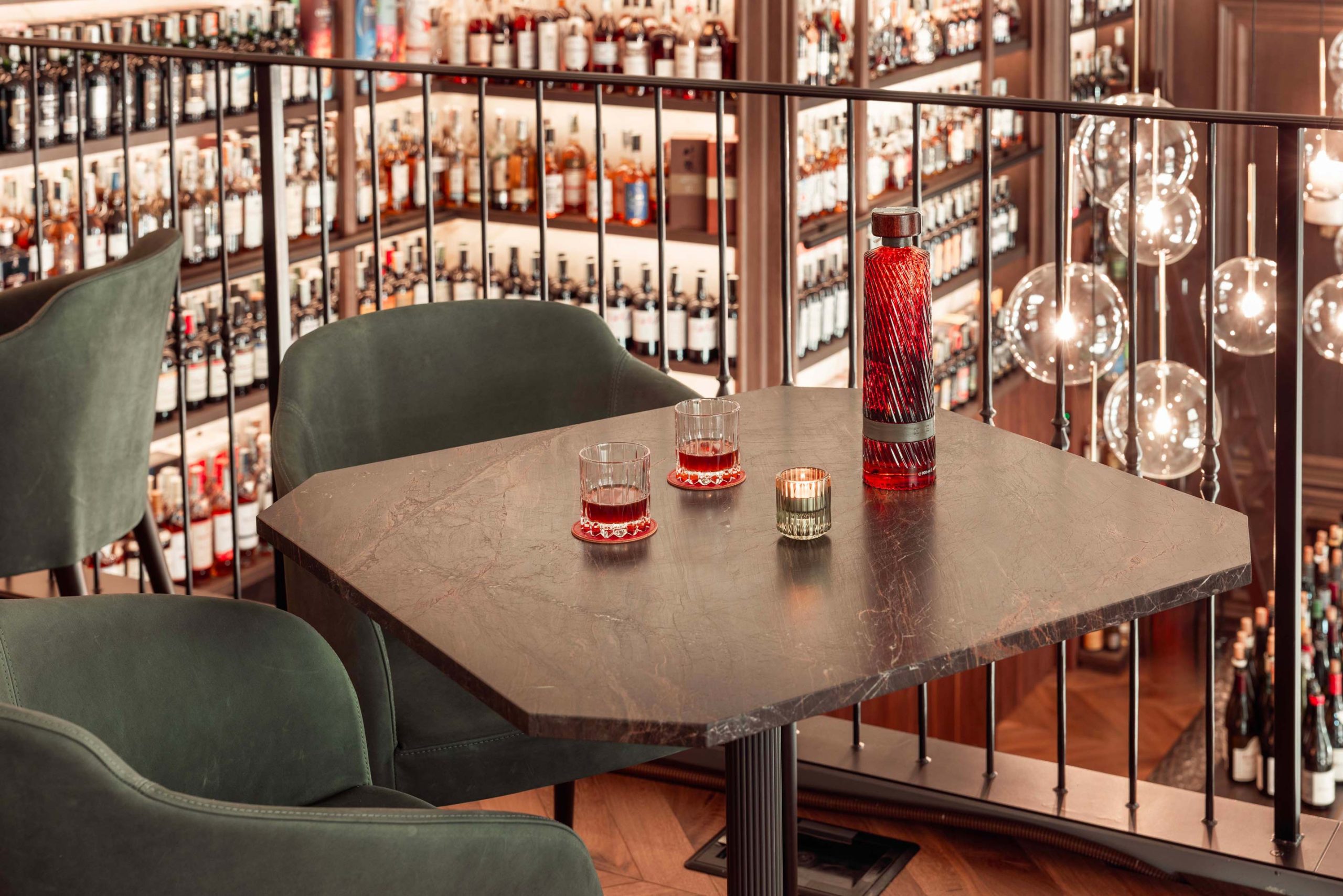
Drawing inspiration from the architectural intimacy of Anglo-Saxon members’ clubs, the venue articulates a stark counter-narrative to the Milanese nightlife scene. “We do not serve cocktails in the city of the aperitivo,” states co-founder Michele Bernardi. This bold curatorial choice positions Remedy as a destination for the pure enthusiast—the sommelier, the collector, and the international traveler seeking authenticity. Envisioned for this specific bon vivant, tactile leather and warm boiserie envelop the space, while a calibrated lighting scheme carves out pockets of absolute privacy and seclusion from the urban rhythm.


The Editors of the Table: SchönhuberFranchi
The sensory experience is visually and tactilely shaped by SchönhuberFranchi. The Bolzano-based company acts as the editors of the table for the global elite of hospitality—from the Four Seasons to the legendary Orient Express. At Remedy, mise en place is not decoration; it is a discipline. SchönhuberFranchi curates the instruments of the journey, deploying collections that stem from a rigorous process of subtraction, eliminating visual noise to amplify the essence of the distillate.

Borosilicate Rigor and the “Degree Zero” of Materiality
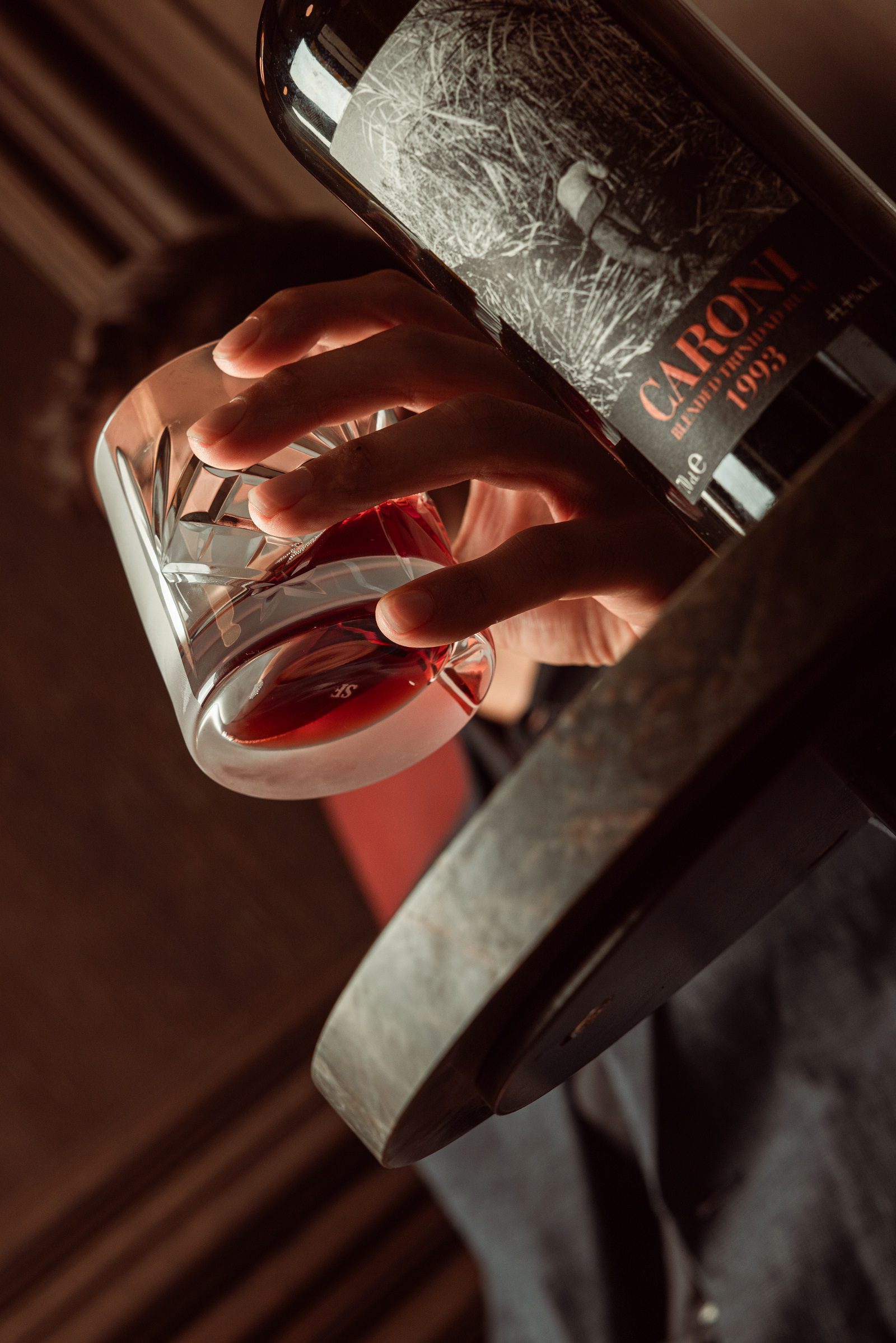
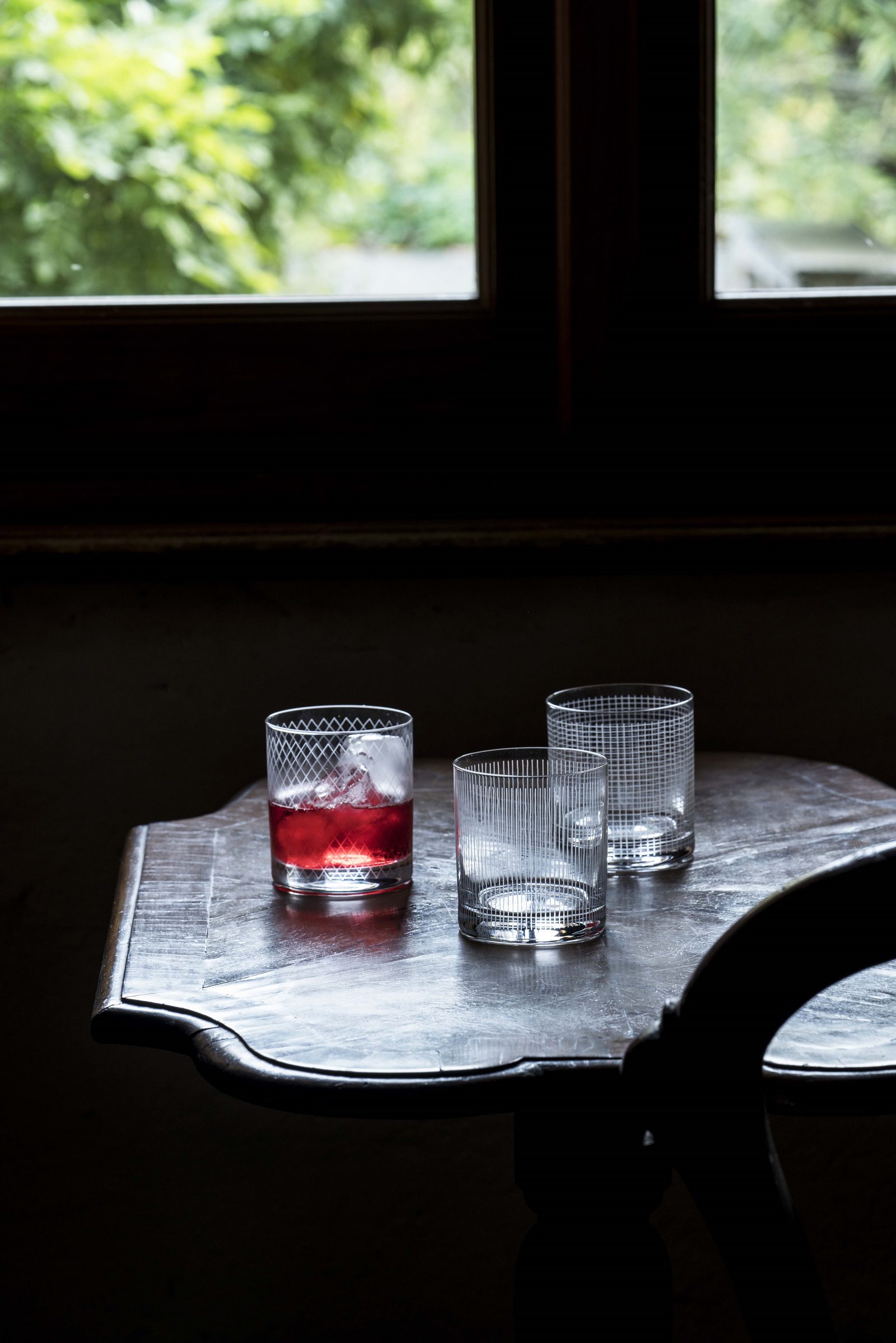
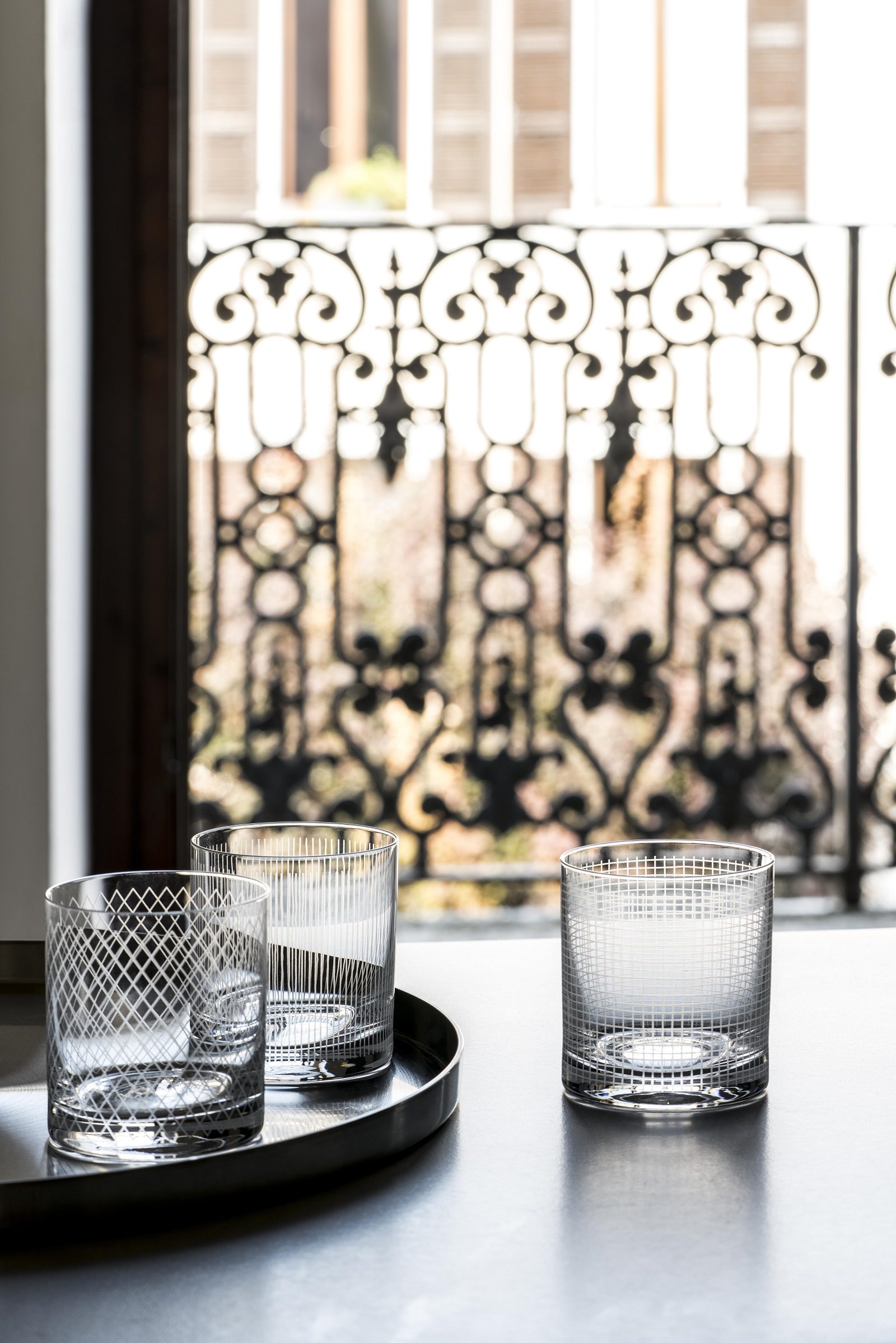
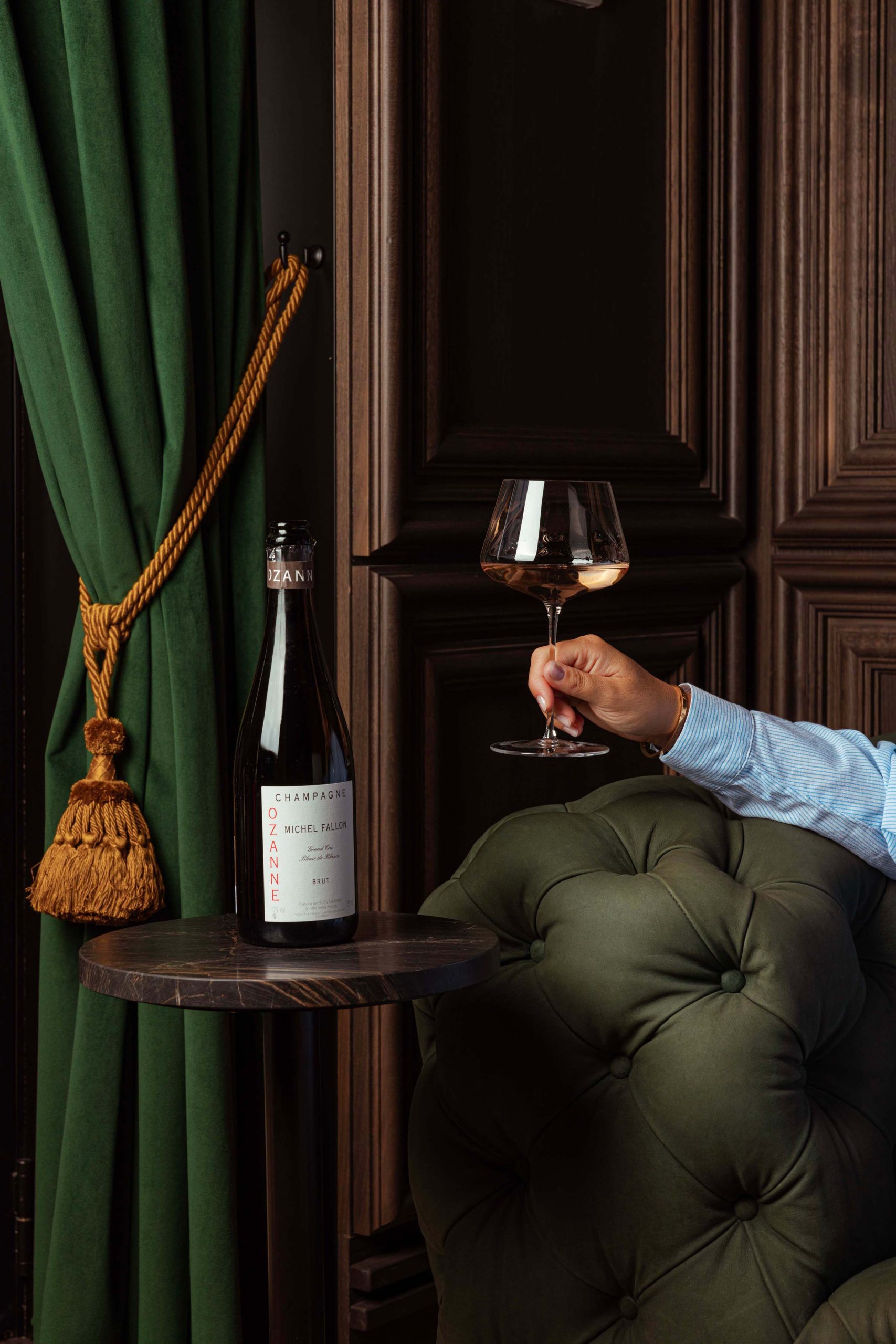
The technical protagonist is borosilicate glass—the historic Jena Glass of industrial design. It is a material of exceptional synthesis, marrying ethereal lightness with extreme mechanical resistance. In the In/Tagli collection, specifically selected for the venue, matter is reinterpreted through duality. The friction between sandblasted textures and ultra-clear transparency generates a scenic architecture of light, turning the glass into a technical instrument of precision.
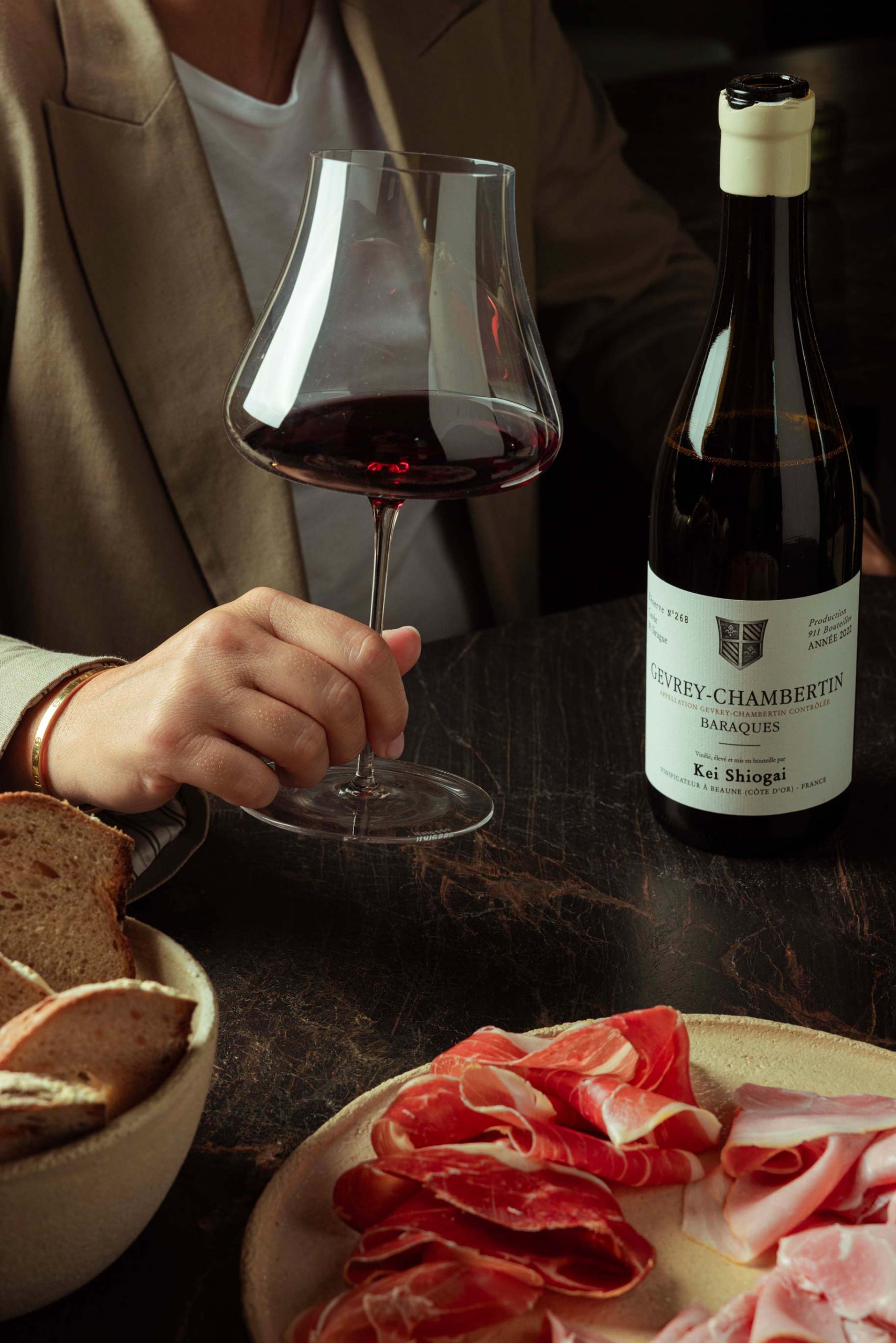
Every curve is calculated. Every angle is a study in the valorization of color and aroma. For a venue pouring vintages of inestimable value, neutrality is non-negotiable. The stemware acts as an invisible medium, refusing to flavor or alter the tactile perception of the liquid. The degree zero of materiality, a vessel so precise it disappears, leaving only the purity of the taste. It is the necessary hardware for a ritual served strictly in purezza, ensuring the unadulterated essence emerges without distortion.
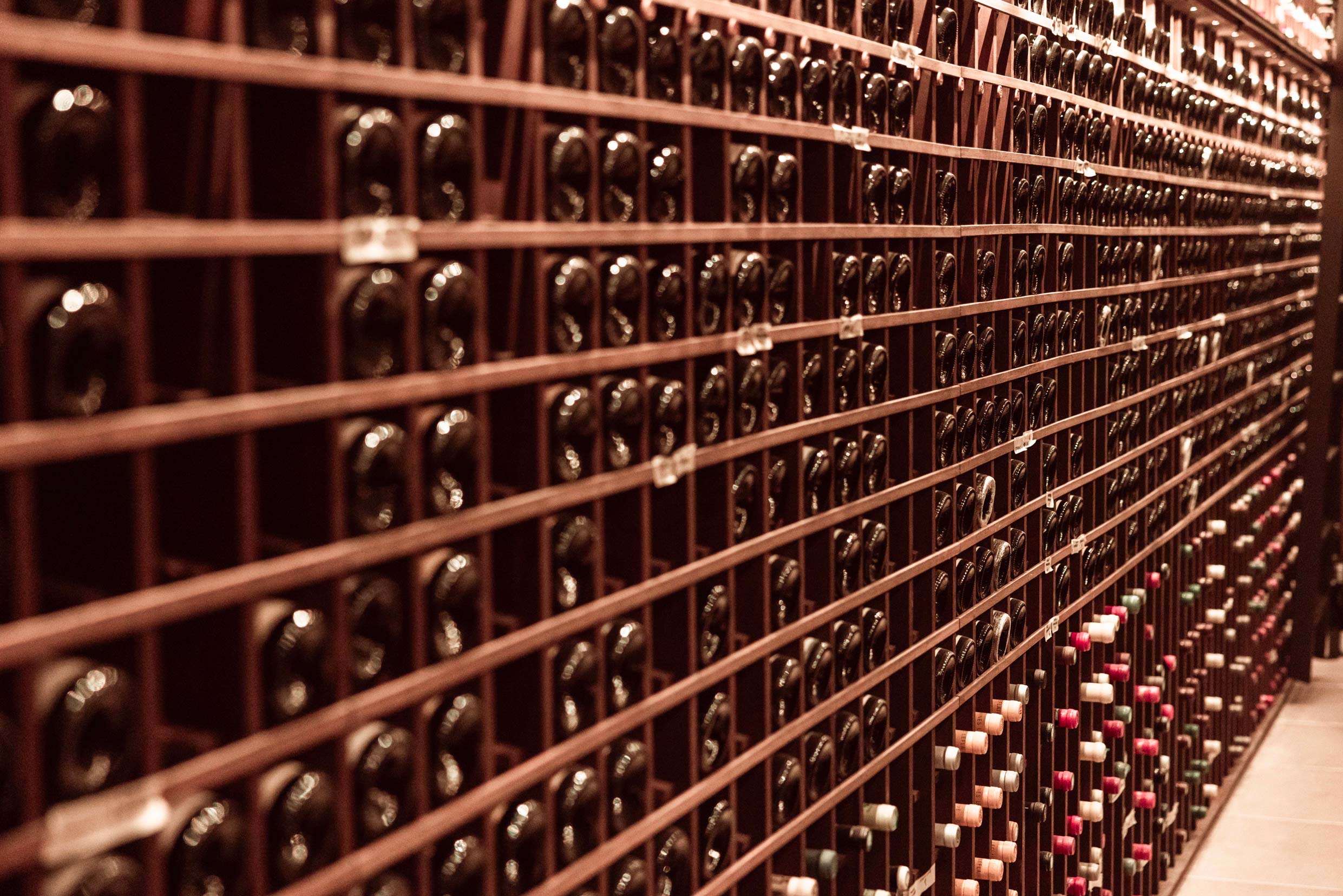
The Archive: A Vault of 18,000 Labels
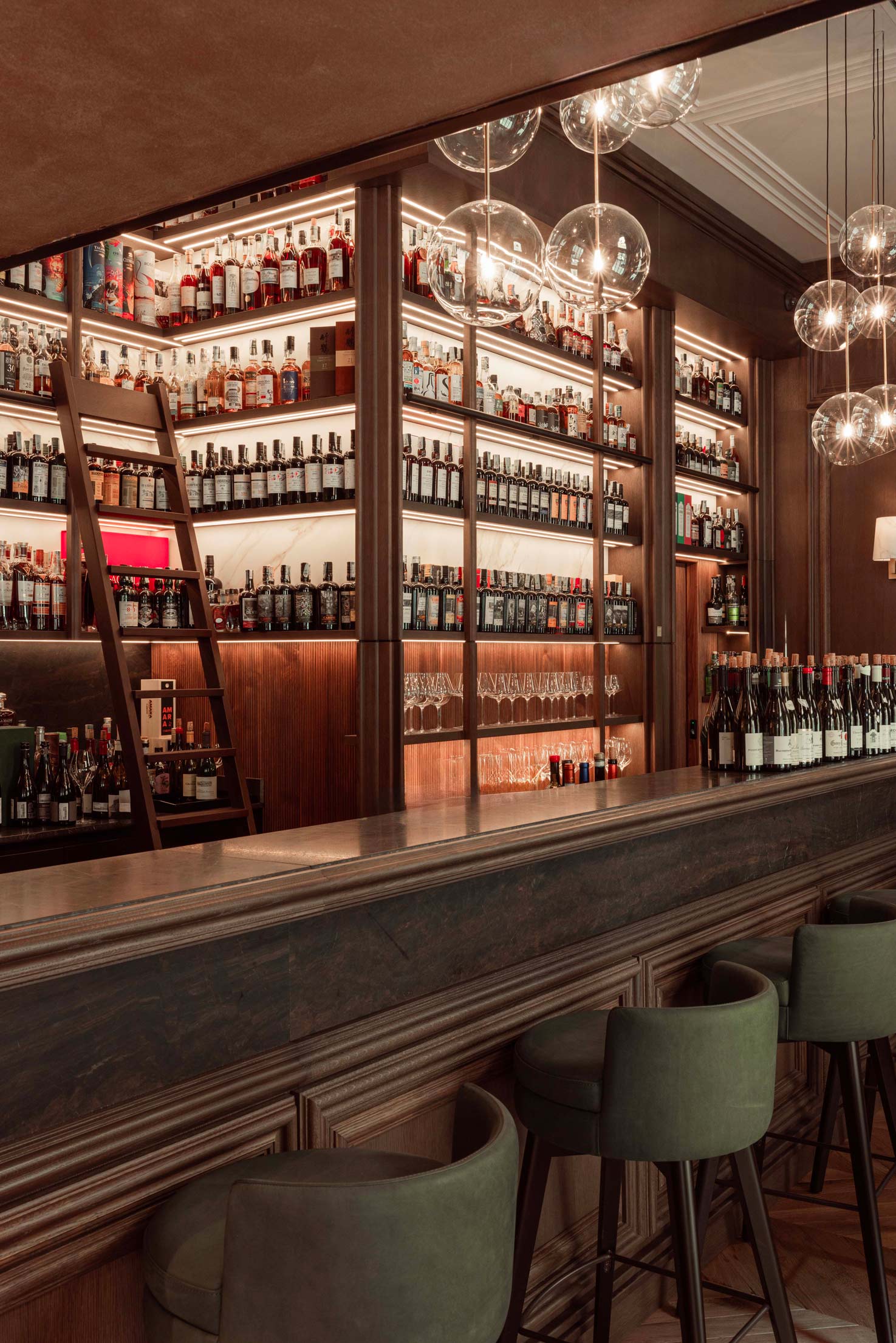
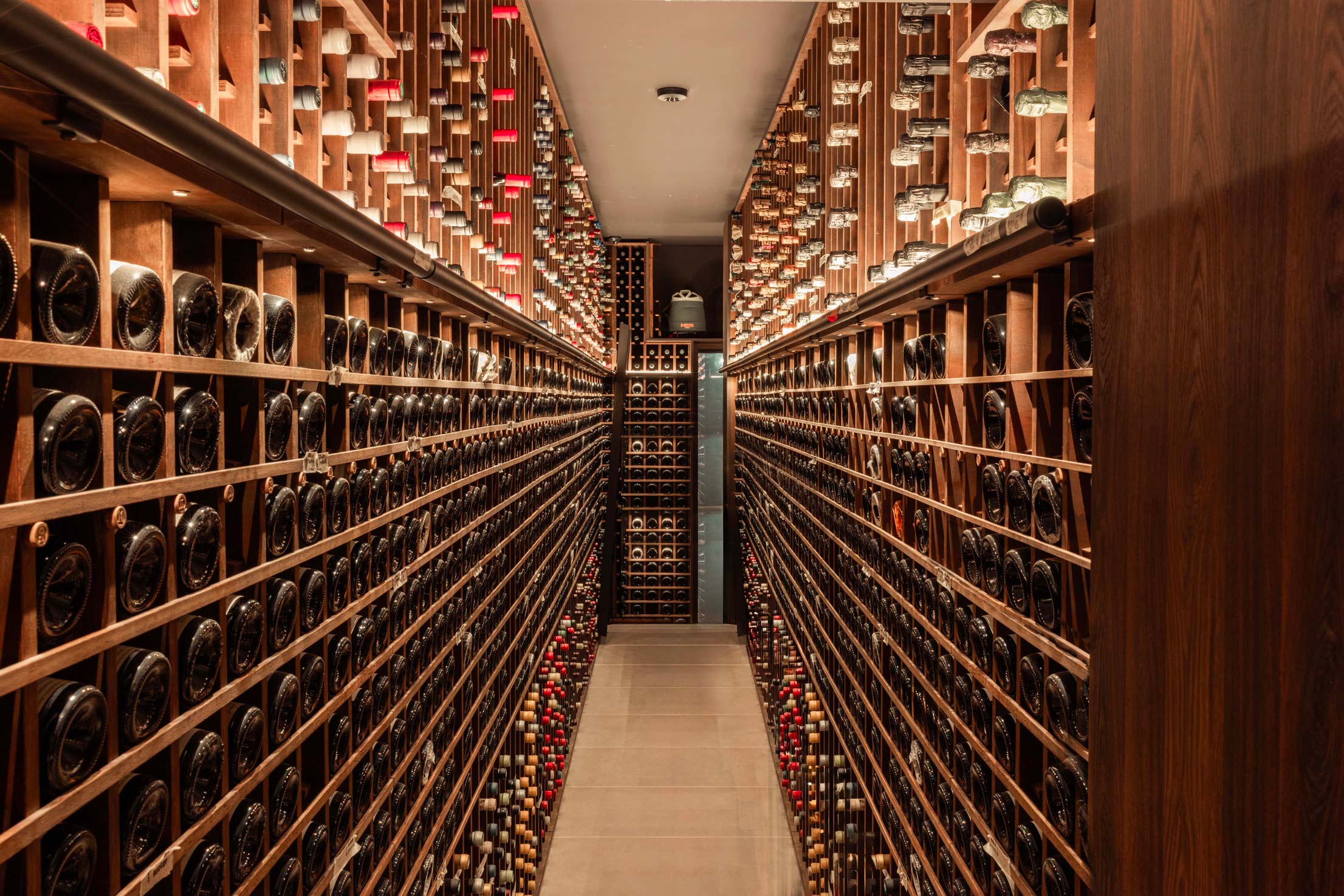
The structural core of the project is the cellar, a veritable vault spanning three levels that houses a staggering archive of 18,000 bottles and 6,000 labels. Born from the collective vision of founders Alessandro Michelon, Michele Bernardi, and Amedeo Pagano, it is a collection built over twenty years. It features heavyweights like Château Pétrus 2019 and Romanée-Conti, yet remains accessible through the extensive use of Coravin technology, which allows even the rarest vintages to be explored by the glass.
A touch of analog wit breaks the severity of the archive: bottles are cataloged using original wooden “Tombola” tokens, a detail that adds warmth to the rigorous organization.

The Programmatic Intent
Remedy declares its programmatic intent in its very name. It serves as a cure: a restorative intervention for the soul, administered not through synthetic chemistry, but through atmosphere, silence, and the ritual of the pour. The space balances a material palette that evokes the tradition of Anglo-Saxon clubs while remaining deeply rooted in Italian craftsmanship. In this context, the technological sophistication of the objects—most notably the glassware—mediates the experience. SchönhuberFranchi has elevated the mise en place from simple service to a technical discipline, perfectly mirroring the architectural precision that defines the venue.