Leveraging the power of Mediterranean superfoods—like lemon—and the chronodiet to enhance immunity and achieve optimal Seasonal Wellness.
Cooler temperatures, diminishing daylight, and a general sense of malaise: autumn and winter usher in a series of changes that test both mood and metabolism. This is not mere suggestion; it is the “winter blues,” a clinically recognized Seasonal Affective Disorder (SAD) that affects approximately 10% of the Northern Hemisphere’s inhabitants, with a higher incidence among the female population.
As temperatures are poised to drop and the return to standard time disrupts our internal clocks, investing in Seasonal Wellness becomes an essential act of self-care. But how does one counteract this seasonal malaise? The strategy involves several pillars: embracing seasonal fruits and vegetables to maximize protective nutrients; leveraging lemon juice for robust immunity and mood; preparing a “fai-da-te” syrup to soothe sore throats; prioritizing hydration with tisanes or lemon-infused water; and adopting the “chronodiet” to help the organism adapt to new winter rhythms.
According to Luca Piretta, a nutritionist and gastroenterologist at the Campus Bio-Medico University of Rome, nutrition plays a crucial role in preventing seasonal ailments. “Lemon and its juice are superfoods of our Mediterranean tradition, rich not only in Vitamin C but also in polyphenols, flavonoids, and bioactive molecules functional to our immune system and cognitive performance. Integrating ‘intelligent’ habits and foods into our diet is decisive for a healthy organism, especially during transitional periods.”
Seasonality as Doctrine: The Value of Nutrient-Rich Foods
Lemons, kiwi, broccoli, cauliflower: these compose the bouquet of seasonal produce rich in precious nutrients. According to Piretta, following seasonality is essential for a healthy organism. The lemon, particularly the Femminello Siracusano (one of Italy’s 7 IGPs), which flowers multiple times a year, is indispensable.
“Seasonality is fundamental to maximizing the nutritional intake from fruits and vegetables. Produce consumed at its natural peak contains the maximum level of protective nutrients our body needs. Once harvested, these nutrients begin to degrade… Beyond brassicas like broccoli and cauliflower, rich in sulfur compounds with preventive properties, I recommend all autumnal fruits. Our body knows what it needs… and nature provides it at the right moment.”


The Lemon as Superfood: A Scientific Ally for Mood
Lemon is a veritable passione in Italy: purchased by nearly 92.4% of Italians, over half equate it with happiness and good humour, thanks to its aroma, a natural anti-stressor.
Science confirms the citrus’s beneficial properties for the psyche: “According to numerous studies, the regular intake of lemon juice can promote optimism and self-esteem, as well as reduce psychological stress and fear, and improve protection against depressive symptoms,” Piretta notes. “The juice of two fresh lemons provides approximately 43 mg of Vitamin C, nearly half the daily requirement. The key is to consume it on an empty stomach, preferably in warm water in the morning, when the body is most receptive.”
The Wisdom of the Home: A Soothing Honey and Lemon Elixir
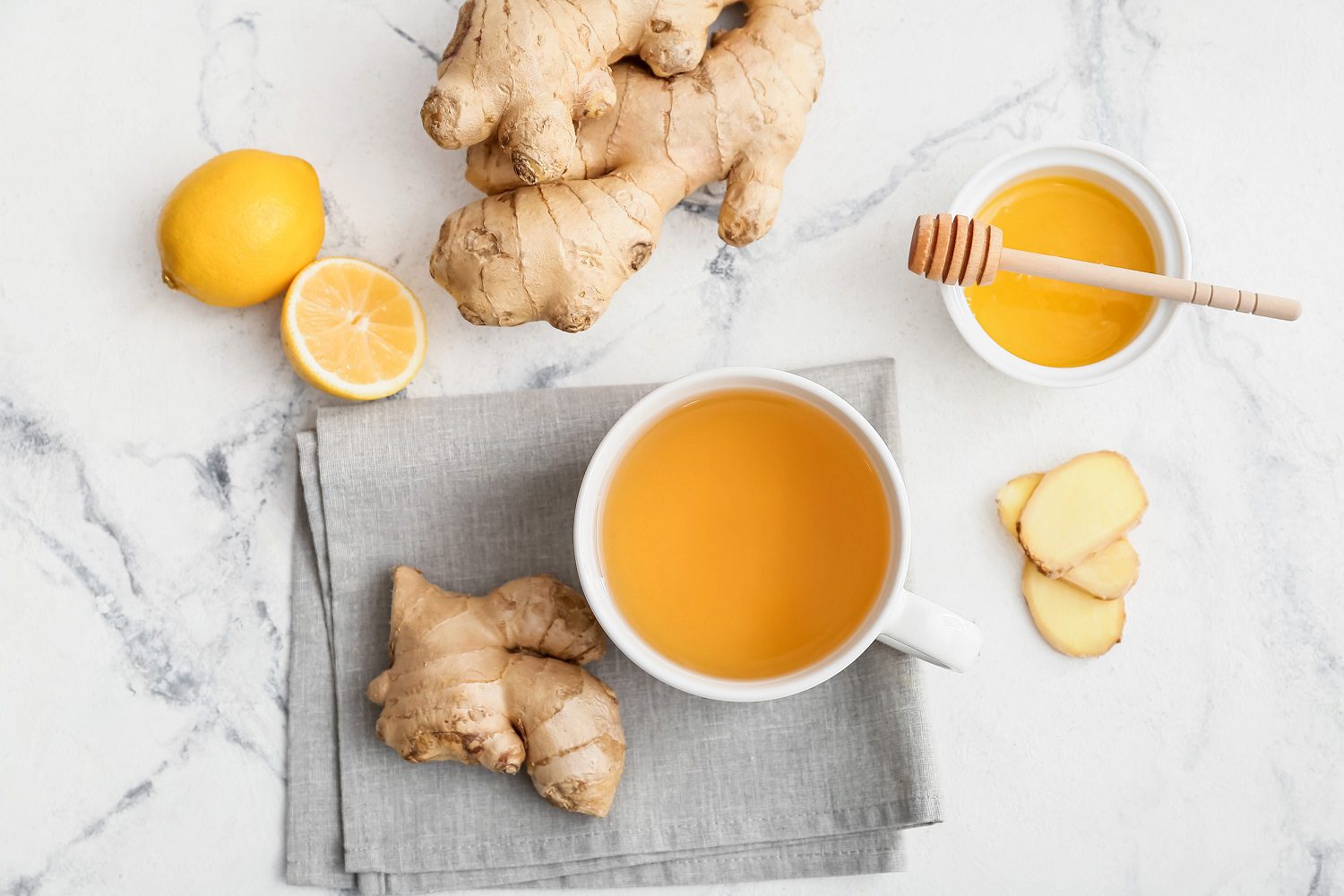
“The juice of one fresh lemon with a spoon of organic honey is an extremely effective ‘fai-da-te’ remedy for a sore throat,” advises the expert. “This artisanal syrup is particularly effective thanks to the polyphenols and flavonoids in the citrus, which remain unaltered in the juice and contribute to lowering inflammatory markers. The honey, meanwhile, soothes irritated mucous membranes with its emollient action, creating a perfect natural synergy.”
Hydration as a Natural Barrier
“Adequate hydration is a decisive factor in preventing seasonal pathologies,” explains Professor Piretta. “The mucous membranes of the nose and throat are the body’s first line of defense: when properly hydrated, they produce mucus capable of trapping and neutralizing viruses and bacteria. Cold winter air and domestic heating systems contribute to dehydration, making them vulnerable.”
In winter, the perception of thirst diminishes. “Finding creative ways to consume adequate water is functional. For example, if we aromatize water with lemon juice or drink tisanes, the beverage becomes more appetizing. Furthermore, the addition of lemon maintains optimal hydration levels, thereby improving nutrient absorption and immune efficiency.”
Eating on Time, Sleeping Well: The Chronodiet as an Immune Ally
The expert is unequivocal. The “chronodiet“—an eating model based not only on what but, crucially, on when—is a precious tool for well-being. “Meal timing is far more important than we think, especially with the time change impacting our biological rhythms. We operate on circadian rhythms… The same holds true for the year: our organism is ready for different things in different seasons. Our immune system follows these rhythms: it is more active during the day and slows down at night.”
Among the nutritionist’s advice is correct meal timing: “Eating at the right times, such as dining before 8:00 PM, keeps this ‘biological clock’ synchronized, allowing defenses to function optimally. In the morning, metabolism is active… In the evening, as melatonin rises, digestion slows. This is why light dinners are advisable, so as not to overload the organism during its rest and regeneration phase, which is fundamental for the immune system.”